

Nirvāṇa : ค้นหาหนังสือธรรมะ หน้า 4 / 10
หน้าหนังสือทั้งหมด
44
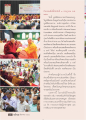
พิธีถวายมาฆบูชาและกิจกรรมสนับสนุนวัดพุทธในลังกา
กิจกรรมเริ่มขึ้นในวันที่ 3 กรกฎาคม พ.ศ. 2560
วันนี้ มูลนิธิธรรมภายใต้พระครู-วิบูลนิติธรรม (ไพศาล ธมฺมวิโล) รองประธาน มูลนิธิธรรมภาย องค์การพุทธโลก นำโดย นพ.พรชัย พิบุญพงษ์ ประธาน ดร.ไล่ เก็ต ยง เลาขกิ
กิจกรรมเริ่มขึ้นในวันที่ 3 กรกฎาคม พ.ศ. 2560 โดยมูลนิธิธรรมร่วมกับองค์การ Nirvana Peace Foundation จัดพิธีถวายมาฆบูชาแด่คณะสงฆ์จำนวน 111 วัด นำโดยสมเด็จพระสังฆราชและรองสมเด็จพระสังฆราช 4 องค์ ซึ่งเป็น
18
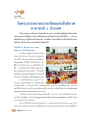
วัดพระธรรมกายถวายเทียนแห่งสันติภาพนานาชาติ 6 ประเทศ
วัดพระธรรมกายถวายเทียนแห่งสันติภาพนานาชาติ 6 ประเทศ
ในโอกาสเทศกาลเข้าพรรษา ปีพุทธศักราช ๒๕๖๑ คณะศิษยานุศิษย์และกัลยาณมิตร วัดพระธรรมกายได้เดินทางไปถวายเทียนพรรษาแต่วัดพุทธในประเทศใกล้เคียง 6 ประเทศ เ
ในเทศกาลเข้าพรรษา ปีพุทธศักราช ๒๕๖๑ คณะศิษยานุศิษย์และกัลยาณมิตรของวัดพระธรรมกายได้เดินทางไปถวายเทียนพรรษาใน 6 ประเทศเพื่อสนับสนุนการปฏิบัติธรรมของสงฆ์ โดยจัดพิธีถวายเทียนและมหาสังฆทาน ๑๑๙ วัดในจิตตะก
162
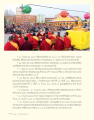
กิจกรรมทางศาสนาของพระธรรมกายในปี 2559
20 พฤษภาคม 2559 พิธีถวายดอกไม้จันทน์ 5,000 ดวง เนื่องในวันวิสาขบูชา ประเทศอินโดนีเซีย พิธีจุดโคมสาธารณะประทีปเพื่อถวายเป็นพุทธบูชา ณ กรุงเทพมหานคร ประเทสอินโดนีเซีย
20 พฤษภาคม 2559 พิธีจุดโคมสาธารณะเ
ในปี 2559 มีพิธีและกิจกรรมทางศาสนาหลายรายการที่จัดขึ้นโดยพระธรรมกาย เช่น พิธีถวายดอกไม้จันทน์ในวันวิสาขบูชา ณ ประเทศอินโดนีเซีย การจุดโคมสาธารณะเพื่อถวายเป็นพุทธบูชาในสถานที่ต่างประเทศ และโครงการอุปสม
175
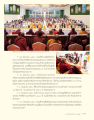
พิธีถวายมหาสังฆทาน ๑๑๑ วัดในประเทศกัมพูชา
พิธีถวายมหาสังฆทาน ๑๑๑ วัดในเมืองจิตตะกอง ประเทศกัมพูชา
๒๕ มิถุนายน ๒๕๖๐ คณะสงฆ์บูชาศพวัดพระธรรมกายทั่วโลกทั่วพิธีสวดพระพุทธมนต์และถวายสังฆทานบำเพ็ญกุศลแด่พระบาทสมเด็จพระปรเมนทรมหามงกุฎยอดดุลยเดช แล
ในวันที่ ๓ กรกฎาคม ๒๕๖๐ องค์กร Nirvana Peace Foundation ร่วมกับมูลนิธิธรรมกายและองค์กร พุทธโลก ได้จัดพิธีถวายมหาสังฆทาน ๑๑๑ วัดในเมืองจิตตะกอง ประเทศกัมพูชา เพื่อต้อนรับเทศกาลเข้าเราะ โดยพิธีนี้ได้รับ
11
The Noble Truths of Suffering
4 The Noble Truth of Suffering ........................................... 57
Every Living Being is a Victim of Suffering 57 • Suffering as a result of
Birth 58 • The Suffering of Internment in the Wo
เนื้อหาเกี่ยวกับสัจธรรมทั้งสี่ซึ่งกล่าวถึงทุกข์และวิธีการดับทุกข์ในศาสตร์ของพุทธศาสนา รวมถึงอธิบายความสำคัญของการเข้าใจทุกข์และการพึ่งพาไม่ให้จิตใจเสพติดความสุขชั่วครั้งชั่วคราว การบรรลุถึงสภาวะนิพพาน
17
Dhamma Practice and Understanding in Dhammacakkapavattana Sutta
translation are hampered in their studies both by the scarcity of the original and its archaic language. In spite of the present author's respect for the original use of language, to leave it in its o
This work addresses the challenges of understanding the Dhammacakkapavattana Sutta due to its original language and scarce resources. The author adapts complex passages to modern language while mainta
21
The Inaugural Teaching of the Buddha
He agreed to teach the Dhamma, but remained undecided as to exactly who he should teach first. Eventually, the Bud- dha decided to make the journey to teach the ‘Group of Five’ [pañcavaggiya] who were
The Buddha decided to teach the Dhamma starting with the Group of Five at Isipatana Deer Park. His first sermon, the Dhammacakka pavattana Sutta, serves as a crucial teaching, symbolized by a royal ch
22
Understanding the Dhammacakkapavattana Sutta
For as long as the components were separated, they could not be called a wheel. Just as, a skilled wheelwright can assemble the components to make a strong wheel ready to be put to work, the Buddha, t
The Dhammacakkapavattana Sutta marks the first sermon of Buddha, articulating the foundational teachings that guide practitioners towards liberation. This sermon, unique in its singular delivery, enca
23
Understanding the Path to Nirvana: The Buddha's Teachings
the attainment of Nirvana. In the Dhammacakkapavattana Sutta, further to the clarification of the profitable path of practice, the Buddha stipulates paths of practice that are unprofitable and might e
This text discusses the Buddha's elucidation of the paths to Nirvana as presented in the Dhammacakkapavattana Sutta. It highlights the unprofitable practices, particularly the path of sensual indulgen
38
The Consequences of Attachment to Sense Pleasure
O! Monks! Some warriors go to the trouble to erect defences of brick and mortar to stop their enemies being able to climb over, they fill their arsenals full of weapons. However, if the enemy should p
This text discusses how attachment to sense pleasures leads to various forms of suffering and wrongdoing. It illustrates the consequences of indulgence, including violence and crime, and emphasizes th
41
The Noble Middle Way in Buddhism
sense of security, but in the end, he will surely take advantage of us and leave us decapitated in the jungle.
It is for all of these reasons that the Lord Buddha taught that self-mortification is a n
The text discusses self-mortification as a non-Buddhist and dangerous practice, as taught by the Buddha. It emphasizes the importance of the Noble Middle Way, or the Eightfold Path, as the means to un
42
The Noble Eightfold Path and the Factors of Enlightenment
kings must accept with obeisance. This is because the Noble Eightfold Path is a supreme and noble practice.
2. A Wide Ocean: It can be compared to the wide ocean into which all rivers must flow. The
The Noble Eightfold Path is presented as a supreme practice in Buddhism, comparable to a vast ocean into which all rivers flow, embodying the essential Factors of Enlightenment. It comprises the Four
44
Understanding Right Intention and Right Speech in Buddhist Practice
subtle defilements¹ [anusaya].
2.1 Right Intention (mundane): At low level Right Inten- tion means having the wholesome intention to be generous, keep the Five Precepts, renounce the world to become a
This text discusses key aspects of Buddhist practice, specifically focusing on Right Intention and Right Speech. Right Intention involves having wholesome intentions such as generosity and the desire
54
Understanding the Origin of Suffering in Buddhism
2.2 The Origin of Suffering as a Cause
In explaining the Origin of Suffering, the Buddha intended to make clear that the suffering experienced by living beings has craving as its cause. As soon as the
In this examination of the Buddha's teachings, the Origin of Suffering is explained as being rooted in craving, which leads to a cycle of suffering. The relationship between the Origin of Suffering an
57
The Noble Truth of the Eightfold Path
4.1 The Path as the Escape from the Cycle of Existence
This is the direct definition of the Noble Truth of the Path to the End of Suffering. Whosoever wishes to traverse the ocean of the Cycle of Exis
This text discusses the Noble Eightfold Path as the essential means to traverse the Cycle of Existence and end suffering. It illustrates the overwhelming nature of this cycle, marked by the suffering
58
Understanding the Noble Eightfold Path
Those who are wise and endowed with Right View will see the dangerous reality of craving, and not delay in practising the Noble Eightfold Path as a vessel to take them beyond the Sea of Worldliness.
4
This text discusses the importance of the Noble Eightfold Path as a means to transcend worldly cravings and achieve Nirvana. It elaborates on how it is the strongest method for ending suffering, highl
81
Understanding Ascetic Practices and the Pursuit of Brahmā Realms
The ascetics who subscribe to this dogma and who have developed a certain degree of meditation, may acquire the ability to recollect their previous lives and will know what form they had taken in prev
Ascetics who follow specific dogmas may recollect their past lives and aspire to be reborn in the Form-Brahmā world, striving for the Ultimate Truth. They believe that by enhancing their meditation pr
86
Understanding Craving and Suffering in Buddhism
ing after such wealth, even though it is acquired by honest
means, is still subject to suffering because it contains craving which is the origin of suffering. Even the craving for the
Brahmā-world and
This text delves into the concept of craving in Buddhism, emphasizing that even honest wealth can lead to suffering due to inherent craving. It discusses how aspirations for the Brahmā-world can trap
90
Understanding the Pursuit of Happiness and the Cycle of Existence
Those who search for happiness via sense pleasure only
experience happiness at the moment before suffering mani-
fest itself. As soon as suffering becomes manifest, such peo-
ple are often so shocked
This text discusses the fleeting nature of happiness derived from sense pleasures and the inevitable suffering that follows. It compares individuals ensnared by cravings to a rabbit caught in a hunter
114
The Path to Nirvana: Understanding the Dhammakāya
with which his mind had been engrained for countless lifetimes polluting his thoughts, speech and actions — which had led to retribution and leading to his continuing rebirth in the cycle of existence
This text discusses the purification of the mind through the teachings of the Buddha, emphasizing the importance of the Dhammakāya Arahat Body and the attainment of enlightenment. The Pathama Magga re