

Understanding Right Intention and Right Speech in Buddhist Practice : หน้า 44/263
The Buddha’s First Teaching : หน้า 44/263 Explore the concepts of Right Intention and Right Speech as essential elements of Buddhist ethics, focusing on their significance in attaining Nirvana and ethical living.
0 ครั้ง
สรุปเนื้อหา
This text discusses key aspects of Buddhist practice, specifically focusing on Right Intention and Right Speech. Right Intention involves having wholesome intentions such as generosity and the desire to attain Nirvana. It has two levels: mundane and transcendental. Right Speech entails avoiding falsehoods like lies, divisive speech, harsh words, and idle chatter. This section also outlines Right Action, emphasizing the importance of refraining from harmful acts and maintaining ethical conduct in daily life. Right Livelihood further complements these principles by advocating for honest means of earning a living. These teachings from the Tipiṭaka highlight the importance of virtuous intentions and speech for spiritual development and ethical living. For more insights, visit dmc.tv.
หัวข้อประเด็น
-Right Intention
-Right Speech
-Buddhist Ethics
-Kindness and Generosity
-Path to Nirvana
-Right Action
-Right Livelihood
ข้อความต้นฉบับในหน้า
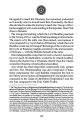
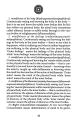
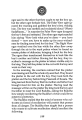
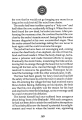
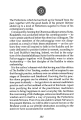
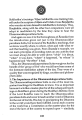
subtle defilements¹ [anusaya].
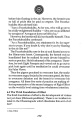
2.1 Right Intention (mundane): At low level Right Inten- tion means having the wholesome intention to be generous, keep the Five Precepts, renounce the world to become a monk, avoid taking advantage of other people or animals.
2.2 Right Intention (transcendental): At high level Right Intention means the intention to dedicate oneself entirely to the attainment of Nirvana.
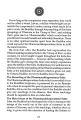
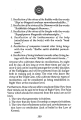
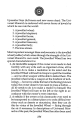
3. Right Speech: Right Speech means avoiding the four types of False Speech:
1. Telling Lies [musāvāða];
2. Divisive Speech [pisuṇāvāca];
3. Harsh Speech [pharusāvāca];
4. Idle Chatter [samphapphalāpa].
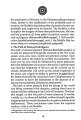
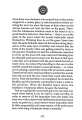
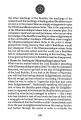
4. Right Action: Right Action means practising the three wholesome physical deeds [kāyasucarita], namely:
1. Refraining from killing or physically torturing other living beings [pāṇātipāta];
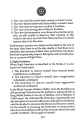
2. Refraining from stealing or obtaining things in a dishonest way [adinnādāna];
3. Refraining from sexual relations outside marriage (committing adultery) [kāmesumicchācārā].
Furthermore, one must not consume intoxicants such as alcohol that lead to heedlessness.
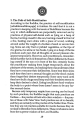
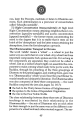
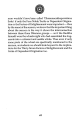
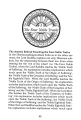
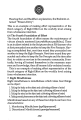
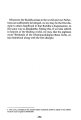
5. Right Livelihood: Right Livelihood means earning one’s living in an honest way — and in a way that avoids evils like telling lies or deception. In the Tipiṭaka, in many places², the Buddha exhorts even his monks, to earn their living by
หน้าหนังสือทั้งหมด
1
2
3
4
5
6
7
8
9
10
11
12
13
14
15
16
17
18

19
20
21
22
23
24
25
26
27
28
29

30
31
32
33
34
35
36
37
38
39
40
41
42
43
44
45
46
47
48
49
50
51
52
53
54
55
56
57
58
59
60
61
62
63
64
65
66
67
68
69
70
71
72
73
74
75
76
77
78
79
80
81
82
83
84
85
86
87
88
89
90
91
92
93
94
95
96
97
98
99
100
101
102
103
104
105
106
107
108
109
110
111
112
113
114
115
116
117
118
119
120
121
122
123
124
125
126
127
128
129
130
131
132
133
134
135
136
137
138
139
140
141
142
143
144
145
146
147

148
149
150
151
152
153
154
155
156
157
158
159
160
161
162
163
164
165
166
167
168
169
170
171
172
173
174
175
176
177
178
179
180
181
182
183
184
185
186
187
188
189
190
191
192
193
194
195
196
197
198
199
200
201
202
203
204
205
206
207
208
209
210
211
212
213
214
215
216
217
218
219
220
221
222
223
224
225
226
227
228
229
230
231
232
233
234
235
236
237
238
239
240
241
242
243
244
245
246
247
248
249
250
251
252
253
254
255
256
257
258
259
260
261
262
263
หนังสือที่เกี่ยวข้อง
Load More