

Nirvāṇa : ค้นหาหนังสือธรรมะ หน้า 8 / 10
หน้าหนังสือทั้งหมด
19
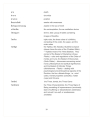
Understanding Buddhism: Key Concepts and Texts
death
chronicle
position
awake with awareness
awake in the sea of merit
fire contemplation; fire as meditation device
shrine; altar; group of tables containing images of Buddha
triple robe; the three
This text delves into crucial Buddhist principles including the Tipitaka, which is a comprehensive scripture forming the foundation of Buddhist teachings. It encompasses three baskets: Vinaya Pitaka,
26
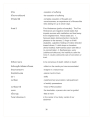
Concepts of Cessation in Buddhism
นิทรา cessation of suffering
นิทรา ความดับทุกข์ the cessation of suffering
นิทราสมาบัติ complete cessation of thought and consciousness, an experience of a Nirvana-like b
บทความนี้สำรวจแนวคิดเกี่ยวกับการดับทุกข์ในพระพุทธศาสนา รวมถึงนิทรา ความดับทุกข์ และนิกรังความตาย นอกจากนี้ยังกล่าวถึงอุปสรรคทั้งห้าที่ขัดขวางการเจริญสติและการเข้าถึงอนุตรโพธิญาณ พร้อมกับการสะท้อนถึงบุ
31
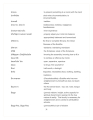
คำศัพท์และปรัชญาในพระพุทธศาสนา
ประเด็น to present (something to a monk) with the hand
ประทับยืน clock-wise circumambulation; to
ประเพณี tradition
ประมาณ, ประมาณ recklessness; reckless; negligence; heedlessness
ประสบการณ์ภาย
เนื้อหานี้ได้รวบรวมคำศัพท์และความหมายเกี่ยวกับพระพุทธศาสนา เช่น ปรินิพพานซึ่งหมายถึงการบรรลุธรรมขั้นสูงสุดของพระพุทธเจ้า การปล่อยให้วาง การปรับความสมดุลในชีวิต และความสำคัญของปัญญาซึ่งเป็นกุญแจในการมอ
35
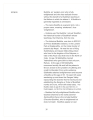
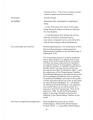
Understanding the Buddha: His Life and Teachings
Buddha, an 'awaken one' who is fully enlightened and who has realized nirvana without the benefit of a Buddha's teaching in the lifetime in which he attains it. A Buddha is generally regarded as omnis
Buddha, meaning 'awakened', refers to a fully enlightened being. Gotama was the historical Buddha, born in 623 B.C. as Prince Siddhattha in present-day Nepal. At 29, he renounced royal life in search
36
พระโพธิสตวและการฟื้นฟูพระพุทธศาสนา
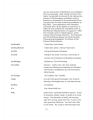
พระพุทธรูป
พระโพธิสตว
Bodhisatta (Skt, Bodhisattva), enlightened being.
-- In the Theravada, this refers to the single being striving to realize nirvana and become the next Buddha.
-- In the Mahayana,
เนื้อหาเกี่ยวกับพระโพธิสตวในพระพุทธศาสนา ตั้งแต่แนวคิดในเถรวาทไปจนถึงมหายาน และการฟื้นฟูพระพุทธศาสนาของพระมงคลเทพมุนี ซึ่งเป็นพระอาจารย์ใหญ่แห่งวัดปากน้ำภาษีเจริญ โดยพระมงคลเทพมุนีได้ฟื้นฟูคติธรรมทางก
37
รหัสพระรัตนตรัย
รหัสพระรัตนตรัย
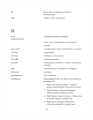
Triple Gem (not Gems)
พระรัตนตรัยในตัว
Triple Gem within; internal Triple Gem
พระวนาย
(Vinaya) Monastic Discipline
พระสงฆ์
Sangha, the Order of monks; community of monks; the brotherh
เนื้อหาเกี่ยวกับพระรัตนตรัยซึ่งประกอบไปด้วยพระพุทธ พระธรรม และพระสงฆ์ รวมถึงการอธิบายความหมายและบทบาทขององค์ประกอบสำคัญในพระพุทธศาสนา เช่น พระอรหันต์และพระไตรปิฎก โดยเน้นการศึกษาภายในและการเข้าใจในธรร
40
หลักการและแนวทางในการบรรลุถึงนิพพาน
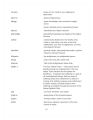
ภูมิ plane; plane of existence; plane of consciousness
โภคะ wealth; riches; possession
ม mungala blessing; prosperity;
auspiciousness;
good omen; anything that is conducive to success
มนต์, ม
ในบทความนี้เราจะได้เรียนรู้เกี่ยวกับแนวทางการดำเนินชีวิตเพื่อบรรลุถึงนิพพานผ่านมรรคมืองค ๘ ซึ่งเป็นหลักสำคัญในพระพุทธศาสนา ประกอบด้วยการมีมุมมองที่ถูกต้อง การตั้งใจที่ดี การใช้คำพูดที่เหมาะสม การกระทำ
63
Concepts of Enlightenment in Buddhism
อายามูชุ cause of ruin; roads to ruin; gateway to destruction
อัย Tant giving of forgiveness
อั ญ ญา super-knowledge; ultra-conscious insight; divine
อิ ธรรม power; spiritual power; supranatural
บทเรียนสำคัญเกี่ยวกับแนวคิดในพระพุทธศาสนา ได้แก่ อายามูชุ (ภาวะสูญเสีย), อรหันต์ (บุคคลผู้มีคุณธรรม), อริยสัจ ๔ (ความจริงอันสูงสุด ๔ ประการ) ซึ่งเป็นรากฐานในการตีความศาสนา พระพุทธเจ้าทรงค้นพบความจริงเ
65
นิรวาณและแนวคิดในพุทธศาสนา
นิรวาณ Nirvana
อายะ/อารยัน Aryans, ancient people of Asia who spoke an Indo-European language and called themselves Ariyas (“noble ones”). Sometime between 2000 B.C. and 1000 B.C. the Ariyas migrated
บทความนี้สำรวจแนวคิดสำคัญในพุทธศาสนา รวมถึงนิรวาณ ซึ่งเป็นเป้าหมายสูงสุดในการเข้าถึงการหลุดพ้นจากความทุกข์ อธิบายการกำเนิดของอารยันและการย้ายถิ่นไปยังอินเดีย พร้อมทั้งอธิบายวันอาสาฮิปูนชะ ที่พระพุทธเจ
74
The Power of Generosity and the Languages of Buddhism
The practice of generosity is the easiest one to perform, and the fruits of merit are the
quickest to materialize. The merit result from the practice of generosity is riches and
wealth to the one wh
The practice of generosity is vital in Buddhism, revealing that giving attracts wealth while selfishness repels it, backed by the Law of Karma. Pali and Sanskrit are essential Buddhist languages, with
104
The Balance of Mind and Body
* What is a mind without a body? A ghost.
* What is a body without a mind? A corpse.
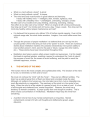
* The mind and body must function in good balance and harmony.
- A body with healthy mind = intelligent, alert, m
The text discusses the intricate relationship between mind and body, emphasizing that both must coexist in harmony for optimal functioning. It highlights the necessity of mental care akin to physical
75
พระเดชพระคุณหลวงปู่
พระเดชพระคุณหลวงปู่ท่านคงเรายู่ตลอดเวลา สั่งความละเอียดมากล้นแก้ตลอดที่คุณยกถามฐานที่ ๓ ให้เป็นฐานพ่อของพระนิพพาน
ให้ทางส่งผ่านความละเอียดมาให้เราด้วย
Luang Pu is always with us.
at all times. Purity
หลวงปู่ท่านคงอยู่กับเราเสมอ ให้เราทำใจให้บริสุทธิ์และยึดมั่นในศูนย์กลางของร่างกาย ท่านสอนให้เราทำจิตให้เป็นฐานของพระนิพพาน และส่งผ่านความละเอียดมายังเราเพื่อความเป็นอิสระทางจิตใจ การมีหลวงปู่ในใจจะช่ว
64
โล่และใบประกาศเกียรติคุณจากองค์กรพุทธต่างประเทศ
๓๕. โล่รางวัลประกาศเกียรติคุณ จาก Ven. Nigrodha / นิครภา Lumbini Development Trust, Ministry for Culture, Tourism and Civil Aviation / กระทรวงวัฒนธรรม การท่องเที่ยวและการบินพลเรือน ประเทศเนปาล
๓๖. ใบป
เนื้อหานี้แสดงให้เห็นถึงโล่รางวัลและใบประกาศเกียรติคุณจากองค์กรพุทธต่างประเทศที่มอบให้แก่บุคคลหรือองค์กรที่มีบทบาทสำคัญในด้านพุทธศาสนา ความมีส่วนร่วมในวัฒนธรรมและกิจกรรมต่าง ๆ ที่ส่งเสริมการเข้าใจในพุ
7
ธรรมะธารา วารสารวิชาการทางพระพุทธศาสนา ปีที่ 6 ฉบับที่ 1
…patible with the concepts in Buddhist scriptures. Though
the goal of all five patterns is to attain Nirvāṇa, there are some
aspects of difference in practice technique, activity, teaching and
assessment.
Ke…
วารสารนี้นำเสนอการพัฒนาจิตใจผ่าน 5 สายการทำสมาธิที่มีรากฐานจากบริบททางพระพุทธศาสนาในศตวรรษที่ 20 โดยเน้นความเข้ากันได้ของแนวคิดจากต้นฉบับพระพุทธศาสนา แม้เป้าหมายหลักคือการเข้าถึงนิพพาน แต่ทั้ง 5 สายก็
7
แนวคิดเรื่องอำนาจภาพหลังความตาย
แนวคิดเรื่องอำนาจภาพหลังความตายในคติวิถีธรรมของแต่ละนิกาย (1)
The Notion of Antarābhava in Abhidhamma Traditions (1)
ด้วยทิพยจักร² อย่างไรก็ดีม ไม่ใช่พระพุทธศาสนาทุกนิกายที่ยอมรับมิตเรื่อง อันตรภ
บทความนี้สำรวจแนวคิดเกี่ยวกับอันตรภาพในพระพุทธศาสนานิกายต่าง ๆ โดยเน้นการวิเคราะห์จากคัมภีร์ที่อธิบายถึงการเกิดใหม่และกระบวนการที่เกี่ยวข้อง อันตรภาพเป็นช่วงระหว่างการตายและการเกิดใหม่ซึ่งมีการยอมรับใ
50
ธรรมธาราวรรณวาสนา วิถีแห่งพระพุทธศาสนา
152
ธรรมธาราวรรณวาสนา วิถีแห่งพระพุทธศาสนา
ปีที่ 7 ฉบับที่ 2 (ฉบับรวบรวม 13) ปี 2564
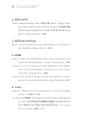
3. คัมภีร์ภาษาจีน
Taishō Issaikyō Kankōkai 大正一切經刊行會 (Taisho Tripitaka PublicationAssociation). Taishō Shinshū Daiz
เนื้อหานี้สรุปหัวข้อที่เกี่ยวกับพระพุทธศาสนาและการศึกษา รวมถึงคัมภีร์ภาษาจีนและอังกฤษที่สำคัญ เช่น Taishō Shinshū Daizōkyō และ The Numerical Discourses of the Buddha. นอกจากนี้ยังมีหนังสือและวารสารที่
10
Exploring the Dhammacakkapavattana Sutta and the Four Noble Truths
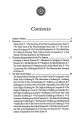
Contents
Author's Preface ............................................................................................................... 9
1 Overview ................................................
This text delves into the Dhammacakkapavattana Sutta, highlighting its key teachings on the paths of sensual indulgence and self-mortification, and emphasizes the Middle Way. The content covers the Fo
14
Author's Preface on the Uniqueness of Buddhism
Author's Preface
Buddhism is unique in teaching a way to overcome suffering, with its aim definitely to liberate oneself from the Cycle of Existence [vadda-samśāra] thereby attaining the highest eter
The Author's Preface highlights Buddhism's distinctive qualities in teaching ways to alleviate suffering and attain ultimate happiness, emphasizing its systematic approach to teachings and virtues. It
45
The Buddha's Teachings on Right Livelihood and Moral Conduct
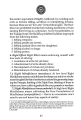
the monk's equivalent of Right Livelihood, by avoiding such evils as fortune telling, sacrifices or interpreting dreams, because these are all 'low arts'[tiracchānavijjā]. The Buddha even prohibited m
This text discusses the Buddha's teachings on Right Livelihood, emphasizing the avoidance of 'low arts' such as fortune telling and the prohibition of harmful trades for monks and laypeople. In partic
47
Understanding Right Concentration and the Dhammacakka
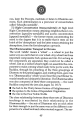
oupes, keep the Precepts, meditate or listen to Dhamma sermons. Such determination is a precursor of concentration called 'khaṇika-samādhi'.
7.2 Right Concentration (transcendental): At high level Rig
บทความนี้อธิบายถึงการเจริญสมาธิอย่างถูกต้องซึ่งรวมถึงการเข้าถึงสมาธิในระดับที่สูงขึ้น รวมถึง Dhammacakka ซึ่งเป็นแนวทางในการเข้าถึงนิพพาน โดยอธิบายความสัมพันธ์ระหว่างปัจจัยที่นำไปสู่การตรัสรู้และบทบาท