

Understanding Right Concentration and the Dhammacakka : หน้า 47/263
The Buddha’s First Teaching : หน้า 47/263 Explore the concepts of Right Concentration and the Dhammacakka in Buddhist teachings, highlighting their significance in achieving enlightenment.
0 ครั้ง
สรุปเนื้อหา
บทความนี้อธิบายถึงการเจริญสมาธิอย่างถูกต้องซึ่งรวมถึงการเข้าถึงสมาธิในระดับที่สูงขึ้น รวมถึง Dhammacakka ซึ่งเป็นแนวทางในการเข้าถึงนิพพาน โดยอธิบายความสัมพันธ์ระหว่างปัจจัยที่นำไปสู่การตรัสรู้และบทบาทของมันในสื่อการเรียนรู้ต่างๆ โดย Buddha เปรียบเทียบชิ้นส่วนต่างๆ เพื่อแสดงให้เห็นถึงความจำเป็นในการประสานรวมกันของคำสอนในพระพุทธศาสนาเพื่อการหลุดพ้นในที่สุด.
หัวข้อประเด็น
-Right Concentration
-Dhammacakka
-Buddhist Teachings
-Enlightenment Factors
-Meditation Practices
ข้อความต้นฉบับในหน้า
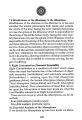
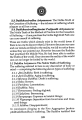
oupes, keep the Precepts, meditate or listen to Dhamma sermons. Such determination is a precursor of concentration called 'khaṇika-samādhi'.
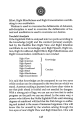
7.2 Right Concentration (transcendental): At high level Right Concentration means attaining neighbourhood concentration [upacāra-samādhi] and access concentration [appāna-samādhi] — the former means concentrating the mind to the degree that it is so stable that it rests on the brink of the 'absorptions' and the latter means attaining the absorptions, from the first absorption upwards.
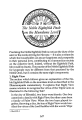
The Dhammacakka: Transport to Nirvana
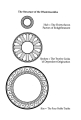
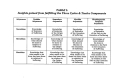
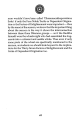
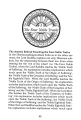
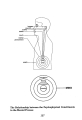
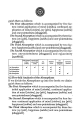
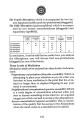
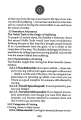
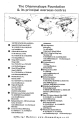
The word 'cakkha' means a 'wheel' — a wheel in just the same way as a cartwheel or a car wheel. Any wheel has three important components: hub, spokes and rim. For as long as the components are separated, they could not be called a wheel. Just as a skilled wheelwright can assemble the components to make a strong wheel ready to be put to work, the Buddha, through his preaching of the three groupings of Dhamma to the pañcavaggiya, and relating them, gave rise to a 'Dhammacakka' which would bear the practitioner towards benefit and ultimately liberation. The Dhammacakka was also composed of these three components — the Lord Buddha compared the (see also pages 14, 16-7): ● the hub to the Thirty-Seven Factors of Enlightenment ● the spokes to the Links of Dependent Origination ● the rim to the Four Noble Truths
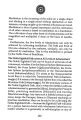
The close relationship between these three sets of Dhamma teachings is manifested by their relationship in the Dhammacakka — the sets of Dhammas rely on each other for their strength in just the same way as the different components of a wheel lend each other mutual support. The ser-
หน้าหนังสือทั้งหมด
1

2

3
4
5
6
7
8
9
10
11
12
13
14
15
16
17
18
19
20
21
22
23
24
25
26
27
28
29

30
31
32
33
34
35
36
37
38
39
40
41
42
43
44
45
46
47
48
49
50
51
52
53
54
55
56
57
58
59
60
61
62
63
64
65
66
67
68
69
70
71
72
73
74
75
76
77
78
79
80
81
82
83
84
85
86
87
88
89
90
91
92
93
94
95
96
97
98
99
100
101
102
103
104
105
106
107
108
109
110
111
112
113
114
115
116
117
118
119
120
121
122
123
124
125
126
127
128
129
130
131
132
133
134
135
136
137
138
139
140
141
142
143
144
145
146
147

148
149
150
151
152
153
154
155
156
157
158
159
160
161
162
163
164
165
166
167
168
169
170
171
172
173
174
175
176
177
178
179
180
181
182
183

184
185
186
187
188
189
190
191
192
193
194
195
196
197
198
199
200
201
202
203
204
205
206
207
208

209
210
211
212
213
214
215
216
217
218
219
220
221
222
223
224
225
226
227
228
229
230
231
232
233
234
235
236
237
238
239
240
241
242
243
244
245
246
247
248
249
250
251
252
253
254
255
256
257
258
259
260

261

262

263
หนังสือที่เกี่ยวข้อง
Load More