

Patipada : ค้นหาหนังสือธรรมะ
หน้าหนังสือทั้งหมด
23
Understanding the Noble Truths of Suffering
Idām dukkhami ariyasaccan ti me bhikkhave pubbe ananus-
sutesu dhammesu cakkhum udapādi ñānam udapādi paṇṇā udapādi-
di vijjā udapādi āloko udapādi. Tāṃ kho padiṃ dham dukkhami ariyasaccaṃ pariṇneyyan
ข้อความนี้พูดถึงอริยสัจสี่ในพระพุทธศาสนา โดยเน้นที่ความทุกข์และการเข้าใจที่มาของทุกข์ การดับทุกข์ และวิธีการที่จะเข้าถึงการดับทุกข์ ผ่านการพัฒนาสติปัญญาและการปฏิบัติทางจิตใจ. ข้อความนี้มีความสำคัญในฐา
11
The Noble Truths of Suffering
…ined Buddhist
Sainthood 100 • The Noble Monk who discovered the Dhammakaya
Tradition 102 • Majjhima Patipada is the Middle Way of practice 103 • The
Dhamma Body is made of Transcendental Aggregates 108 • Dham…
…่ให้จิตใจเสพติดความสุขชั่วครั้งชั่วคราว การบรรลุถึงสภาวะนิพพานและการดำเนินการตามทางสายกลาง Majjhima Patipada เพื่อไปสู่การหลุดพ้นในชีวิตค่ะ นอกจากนี้ยังมีการอธิบายถึงอุปมาอุปไมยเกี่ยวกับทุกข์และการดับทุกข์ ซึ…
25
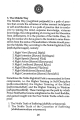
The Middle Way: A Path to Liberation
3. The Middle Way
The Middle Way [majjhima paṭipadā] is a path of practice that avoids the extremes of either sensual indulgence or self-mortification. It is a path of practice that is conducive to ta
The Middle Way [majjhima paṭipadā] serves as a balanced path in Buddhism, steering clear of both sensual pleasures and self-mortification. This approach is aimed at tempering the mind, achieving supre
105
Rediscovery of the Dhammakāya Tradition
mentaries for most people to understand. The knowledge of Dhammakāya is said to have diminished and eventually for some unknown reason, disappeared from Buddhism approximately 500 years after the Pari
The Dhammakāya tradition, once diminished in Buddhism, was revitalized by Luang Phaw Wat Paknam who dedicated his life to its teachings. His outreach efforts led to the tradition being acknowledged in
210
The Middle Way According to the Blessed Bhagavā
Evaṁ me sutaṁ, ekam samayam त्ushaveI heard, that on one occasion the Blessed Bhagavā BāRāṇasiyam viharati Isipatane Migadaye tatra kho Bhagava páñcavaggiyye bhikkhu amantēsi:
" Dve me bhikkhave, antā
ในครั้งหนึ่ง พระภิกษุเบญจวัคคีย์ได้กราบทูลถึงการละเว้น ๒ ทางที่ไม่ควรปฏิบัติ ได้แก่ ความสุขจากกามและการทรมานตนเอง ซึ่งทั้งสองอย่างนี้ไม่สามารถนำไปสู่การบรรลุนิพพานได้ ตราบใดที่เราไม่ปฏิบัติตามมัชฌิมาป

46
หัวข้อหลักของหน้านี้
…B ELE
***, **, *-*, **
*****,
**
ÚÆÆÞÆ ÁÀ¸ à¤#ż, Lat
15 ALE 69 PS, 1-42 42 43 - - - * * : Majjhima-
Patipada (C 18, 3: Pin),
#RRIKILA: MCT
***, ±↑E✰*.
#tix - al, 1 2 3 4 - - - - 9 LB, E
****
— off, - 3:
£££
*…
…B ELE ***, **, *-*, ** *****, ** ÚÆÆÞÆ ÁÀ¸ à¤#ż, Lat 15 ALE 69 PS, 1-42 42 43 - - - * * : Majjhima- Patipada (C 18, 3: Pin), #RRIKILA: MCT ***, ±↑E✰*. #tix - al, 1 2 3 4 - - - - 9 LB, E **** — off, - 3: £££ *…
47
蒙昆贴年尼祖师的光球体验
…多钟开始,过了半夜,直到凌晨一点钟,清净的光球还是维持原状。他不知道接着该怎么办,因为过去所参学的禅法中没有这种境界。就在如此静定之中,他感觉仿佛从光球的中心,有一个轻轻的声音传出来:Majhima-Patipada(巴利语,意味着:中道)。
嘿!中道,在经典里的意思是:调心不要太紧,也不要太松。
就在这一刻,光球里面亮现出一个小小的光点,正好就在光球的中心点上。这个光点比光球更亮,更光明!他一面看,一面想:…
在修行过程中,蒙昆贴年尼祖师经历了一个清净的光球的境界,象征着内心的宁静与启示。这个光球在数小时内保持亮度,直到他感受到中道的指引,反映了调心的重要性。此过程让他意识到在冥想中需保持平衡,既不紧绷也不松懈。光球内部的变化,象征着内心的提升与觉醒。此种修行体验激发了对更深层次真理的探求,带来了内心的变化与成长。更多内容请访问dmc.tv。
129
Exploring the Center of the Body in Meditation
Thus, the phrase 『息中具有四大。心在中』 can be interpreted as: "the mind should be located at the centre of the body while breathing (in and out)." The precise position of the centre of the body where the mind
This text examines the phrase 'the mind should be located at the center of the body while breathing in and out.' It references the teachings of PhraMongkolthepmuni regarding the center's location abov
23
Understanding the Path to Nirvana: The Buddha's Teachings
the attainment of Nirvana. In the Dhammacakkapavattana Sutta, further to the clarification of the profitable path of practice, the Buddha stipulates paths of practice that are unprofitable and might e
This text discusses the Buddha's elucidation of the paths to Nirvana as presented in the Dhammacakkapavattana Sutta. It highlights the unprofitable practices, particularly the path of sensual indulgen
28
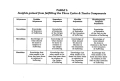
Insights into the Three Cycles and Twelve Components of Suffering
…ponents
| Ariyasacca | Dukkha Ariyasacca | Samudya Ariyasacca | Nirodha Ariyasacca | Nirodhagamini Patipada Ariyasacca |
| --- | --- | --- | --- | --- |
| Saccānaña | Knowledge of Existence of Suffering | Kn…
This table outlines insights into suffering through the lens of the Four Noble Truths in Buddhism. Each Ariyasacca component provides a deeper understanding of suffering, including its existence, orig
41
The Noble Middle Way in Buddhism
sense of security, but in the end, he will surely take advantage of us and leave us decapitated in the jungle.
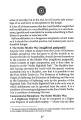
It is for all of these reasons that the Lord Buddha taught that self-mortification is a n
The text discusses self-mortification as a non-Buddhist and dangerous practice, as taught by the Buddha. It emphasizes the importance of the Noble Middle Way, or the Eightfold Path, as the means to un
198
Adapting Teaching Practices Through the Middle Way
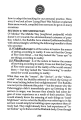
how to adapt the teaching for our personal practice. How-ever, if we look at how Luang Phaw Wat Paknam explained these same words, compiled from sermons he gave on many occasions:
SECTION 2: THE MIDDL
In this exploration of the Middle Way as explained by Luang Phaw Wat Paknam, we learn about its significance in achieving insight and reality perception. The Buddha emphasizes the importance of the 'i
201
The Noble Truths of Suffering and Cessation
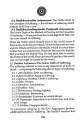
3.3 Dukkhanirodha Aryasacca: The Noble Truth of the Cessation of Suffering—the sickness of suffering which plagues us all has a cure;
3.4 Dukkanirodhagāminī Paṭipadā Aryasacca: The Noble Truth of the
The Noble Truths articulate the nature of suffering and its cessation. Dukkha encompasses various types of suffering including birth, aging, and death, as well as emotional pains like sorrow and disap
203
Buddhist Teachings on Cessation of Suffering
सual realms of existence;
3.2.2.2 Bhavaṭanāḥ: Craving for the pleasure of the "form-absorptions" or for the Brahmā-world;
3.2.2.3 Vibhaṭanāḥ: Craving for the pleasure of the "formless-absorptions"
This text delves into the Buddhist concepts of craving and the cessation of suffering. It describes various forms of craving and how they lead to rebirth, as well as the Noble Truth of cessation where
211
Ariyo Aṭṭhiko Maggo: The Noble Eightfold Path
cakkhu-karāṇī nāṇakarāṇī upasamāya abhiññāya sambodhāya nibbānaya saṃvattati
Ayameva ariyo aṭṭhṭhiko maggo seyyaṭhiḍaṃ: <2.4.1> sammafṭṭhi <2.4.2> sammāsaṅkappo <2.4.3> sammāvaṭṭa<2.4.4> sammākammant
เนื้อหาเกี่ยวกับหนทางอันประเสริฐของพระพุทธศาสนา ซึ่งประกอบด้วยความเข้าใจที่ถูกต้อง, ความคิดที่ถูกต้อง, การพูดที่ถูกต้อง, การกระทำที่ถูกต้อง, การดำรงชีวิตที่ถูกต้อง, ความพยายามที่ถูกต้อง, ความตั้งมั่นท
212
The Noble Truths of Suffering and Cessation
πεonæbhabikä <3.2.1.2> nandīrāga- one to one's here-and-now existence — and compries Craving for sensual pleasure; Craving for
sahagata <3.2.1.3> tatra taträ- the pleasure of the "form-absorptions"; C
This text discusses the Noble Truth of suffering (dukkha) and its cessation, emphasizing the importance of extinguishing craving to achieve liberation. It presents the Eightfold Path as the method to
243
Buddhist Terminology and Concepts
Speech at the transcendental level) see sense consciousness) manussasampatti (see worldly wealth) Mara q.v. (P. devil, demon) maggañāṇa (see knowledge of the path out of defilements) maraṇa (see dying
This text delves into essential Buddhist terms and their meanings. It covers concepts such as Mara (the demon), Mettā (loving-kindness), and the significance of terms like 'maraṇa' (dying) and 'mutti'
42
Untitled
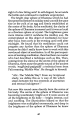
sight of a few biting ants? In self-disgust, he set aside the bottle and continued to meditate unprotected.
The bright clear sphere of Dhamma which he had first perceived before his midday meal was
This is a summary of the text captured from the OCR process. It includes key points and overarching themes discussed within the text, designed for understanding by the reader. For more details, please
142
Untitled
Dhammaķāya tradition, 70, Kela, Uncle, 66
110-111, 126; heir sought, 133;
reputation abroad, 128
Dhammapada, 33, 41
Dhammayutthika, 12, 145
discipline, monastic, 30, 56, 63,
145
Eightfold supranormal
No content available for summary.