

Rupa : ค้นหาหนังสือธรรมะ หน้า 1 / 3
หน้าหนังสือทั้งหมด
246
Fundamental Concepts in Buddhist Psychology
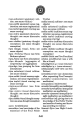
rasa-saṅchetana (gasticatory volition: see sense volition)
rasa-saṃnā (gasticatory sense registration: see sense registration)
rasa-tanḥa (gasticatory craving: see sense craving)
rasa vicāra (ga
This text elaborates on significant concepts in Buddhist psychology, including gasticatory and visual perceptions such as rasa (taste) and rūpa (form). It addresses terms like gasticatory volition, se
98
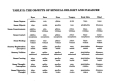
Exploring Sensual Delights and the Six Sense Organs
TABLE II: THE OBJECTS OF SENSUAL DELIGHT AND PLEASURE
| | Eyes | Ears | Nose | Tongue | Body Skin
This table presents an intricate overview of the six sense organs in relation to their corresponding objects, consciousness, contact, feelings, registration, volition, craving, thought conception, and
81
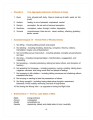
Understanding the Five Aggregates, Tenfold Path of Wholesomeness, and Four Lofty States of Mind
Khandha 5 Five Aggregates (elements, attributes of being)
1. Rupa form, physical self, body. Rupa is made up of earth, water, air, fire (heat)
2. Vedana feeling, i…
… delves into three significant aspects of Buddhist philosophy: the Five Aggregates which consist of Rupa (form), Vedana (feeling), Samjna (perception), Sankhara (conception), and Vinnana (consciousness). …
101
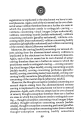
Understanding Sensory Craving and Attachment
registration is implicated in the attachment we have to sensual pleasures. Again, each of the six senses has its own channel of sense-volition therefore there are a further six areas in which the prac
This text delves into the role of sensory experiences in fostering attachment to sensual pleasures, with a focus on the six senses: visual, auditory, olfactory, gustatory, tactile, and mental. Each se
243
Buddhist Terminology and Concepts
Speech at the transcendental level) see sense consciousness) manussasampatti (see worldly wealth) Mara q.v. (P. devil, demon) maggañāṇa (see knowledge of the path out of defilements) maraṇa (see dying
This text delves into essential Buddhist terms and their meanings. It covers concepts such as Mara (the demon), Mettā (loving-kindness), and the significance of terms like 'maraṇa' (dying) and 'mutti'
128
Understanding the Four Mahā-Bhūta in Buddhism
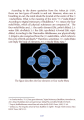
According to the above quotation from the Anban jie 安殘解, there are two types of breath: in and out. However, when one is breathing in-out, the mind should be located at the centre of the mahā-bhūta. W
根据安殘解的引用,有两种呼吸方式:吸气和呼气。然而,当进行呼吸时,心智应位于四大之中。四大是所有物质的组成部分,包括:土、 水、 火和风。根据上座部阿毗达摩,人的身体是由四大组成的,涉及生死循环,有时四大也代表元素的身体。有关四大元素的更深入的信息,请访问dmc.tv。
45
รากะ ลัสต์ และความหมายทางจิตวิญญาณ
… passion
รากัจิต lustful-natured; lustful temperament
รำคาญใจ agitation
ริษยา jealousy
รูป (rupa) sight; form; matter; materiality; physical self; body; corporeality. Rupa is made up of earth, wat…
รากะ ลัสต์ คือความมีใจรักและความต้องการที่ส่งผลต่ออารมณ์ของเรา เช่น รากัจิตที่แสดงถึงธรรมชาติที่เต็มไปด้วยความกำหนัด คำต่างๆเช่น รำคาญใจ และริษยา ยังแสดงถึงอารมณ์และความรู้สึกที่มีอยู่ในชีวิตประจำวัน
81
Understanding Ascetic Practices and the Pursuit of Brahmā Realms
The ascetics who subscribe to this dogma and who have developed a certain degree of meditation, may acquire the ability to recollect their previous lives and will know what form they had taken in prev
Ascetics who follow specific dogmas may recollect their past lives and aspire to be reborn in the Form-Brahmā world, striving for the Ultimate Truth. They believe that by enhancing their meditation pr
87
The Cycle of Existence and Three Spheres
suffering completely, with no more attachment for the Three Spheres¹. Put another way, their practice entails extinguishing the three sorts of craving which keep them prisoner in the thirty-one realms
This text discusses the concept of craving as the root cause of rebirth in the Cycle of Existence, using a story from the Dhammapadathakā to illustrate the journey of a female piglet that was reborn m

67
ศิลปะในสมัยราชวงศ์คุปตะ
…
KUSANAS
& SAKAS
MADRAS KARTAPURA
YAUDHEYAS
(NERALA
LICCHAVI
CAyodhya
Vaisali
RAJAKAS
AKALPAS
KAMAF
RUPA
PUNDRA = DAVAKA
HANA
ARJUN-
AYANAS
Mathura
MALAVAS
Padmava
Dasapura
(Mandasor
Airikina
SAKAS
Ujjayi…
… KUSANAS & SAKAS MADRAS KARTAPURA YAUDHEYAS (NERALA LICCHAVI CAyodhya Vaisali RAJAKAS AKALPAS KAMAF RUPA PUNDRA = DAVAKA HANA ARJUN- AYANAS Mathura MALAVAS Padmava Dasapura (Mandasor Airikina SAKAS Ujjayi…
166
Understanding the Tipitaka and Buddhist Concepts
…f the Doctrine, the four ultimate things, i.e., mind (citta), mental properties (cetasika), matter (rupa) and Nirvana.
Transcendental merit: merit acquired through mental cultivation and the practice of …
Tipitaka, or Tripitaka, consists of three main sections: Vinaya Pitaka, Sutta Pitaka, and Abhidhamma Pitaka, covering monks' rules, discourses on various human concerns, and psychological aspects of B
51
Relinquish All Else: The Path to Dhamma
…aspects of the Dhamma, the four ultimate things, mind (citta), mental processes (cetasika), matter (rupa) and Nirvana.
The text emphasizes the significance of meditating and reciting the mantra 'samma arahang' to create merit. To attain Dhammanetya, one must bring the mind back to focus, specifically above the navel,
126
Understanding Nibbana and Key Buddhist Concepts
…f the Doctrine, the four ultimate things, i.e., mind (citta), mental properties (cetasika), matter (rupa) and Nirvana.
Transcendental merit: merit acquired through mental cultivation and the practice of …
Nibbana, or Nirvana, represents the ultimate happiness in Buddhism, transcending ordinary joy and marking the end of the rebirth cycle. It's a state of perfect enlightenment that goes beyond language,
19
Understanding Buddhism: Key Concepts and Texts
…f the Doctrine, the four ultimate things, i.e., mind (citta), mental properties (cetasika), matter (rupa) and Nirvana.
ไตรรัตน
ไตรลักษณ์
the Three Jewels; the Three Gems
the Three Characteristics; the Thr…
This text delves into crucial Buddhist principles including the Tipitaka, which is a comprehensive scripture forming the foundation of Buddhist teachings. It encompasses three baskets: Vinaya Pitaka,
26
ธรรมวาร วรรณรวิวารวิภาววิภาคพระพุทธศาสนา ปี 2564
ธรรมวาร วรรณรวิวารวิภาววิภาคพระพุทธศาสนา
ปีที่ 7 ฉบับที่ 2 (ฉบับรวมชุด 13) ปี 2564
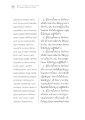
1. **pāṭhama viññāṇa-thṭhiti.**
sant’ avuso satta nānatta-kāya ekatta-saṅñino, seyathā pi deva brahma-kāyika pathamā
ธรรมวารนี้เน้นการวิเคราะห์ญาณดิจิตติในบริบทของพระพุทธศาสนา โดยมีการสำรวจเกี่ยวกับการแยกแยะวิญญาณและสัญญาในกลุ่มสัตว์ที่มีญาติและคุณสมบัติต่างกัน รวมถึงรายละเอียดของแต่ละข้อในการวิเคราะห์วิญญาณทั้ง 5 ข
21
The Inaugural Teaching of the Buddha
He agreed to teach the Dhamma, but remained undecided as to exactly who he should teach first. Eventually, the Bud- dha decided to make the journey to teach the ‘Group of Five’ [pañcavaggiya] who were
The Buddha decided to teach the Dhamma starting with the Group of Five at Isipatana Deer Park. His first sermon, the Dhammacakka pavattana Sutta, serves as a crucial teaching, symbolized by a royal ch
100
Understanding Sensual Attachments in Practice
previous factors — senses, sense objects and sense-con- sciousness — is implicated in the attachment we have to sensual pleasures. Again, each of the six senses has its own channel of sense-contact th
This text explores the relationship between the six senses and their respective sense contacts, feelings, perceptions, and volition, emphasizing the need for practitioners to extinguish craving associ
102
Overcoming Craving through the Noble Eightfold Path
[phottabhba-vitaka] and thought-conception concerning of the mental objects [dhamma-vitaka].
Moreover, the discursive thought [vicāra] concerning our sensual objects arising from the aforementioned se
This text explores how discursive thoughts about sensory objects lead to attachment and suffering. Each of the six senses contributes to craving, necessitating practitioners to overcome these attachme
136
Understanding the Inner Bodies on the Path to Enlightenment
them and go further through the centre until attaining the Body of Enlightenment — the most subtle of the inner bodies.
The inner bodies between the Paṭhama Magga Sphere and the Body of Enlightenment
This text delves into the various inner bodies that exist between the Paṭhama Magga Sphere and the Body of Enlightenment. These include the Subtle Human Body, Angelic Body, and several Brahma Bodies,