

Stream-attainer : ค้นหาหนังสือธรรมะ หน้า 1 / 4
หน้าหนังสือทั้งหมด
44
Qualities of a Stream-Attainer in Buddhism
…h a transcendental plane through the Buddha’s verbal teaching.
40 Different sets of qualities of a Stream-attainer as mentioned in the canon are as follows:
1. Being possessed of four activities: a) association wit…
This text delves into the characteristics of a Stream-attainer, identified as a noble disciple who is reborn to a transcendental plane through the Buddha's teachi…
59
Understanding Dhamma and Nibbāna
… to different levels of transcendental states. In other words, the trainee (sekha-pugiala) from the Stream-attainer (sotāpanna) to the Non-returner (anāgāmi) have realised Nibbāna also to their corresponding degrees…
…nding the four noble truths across different levels of realization, asserting that the journey from Stream-attainer to Non-returner entails varying degrees of Nibbāna realization. The analysis suggests that dhammakā…
43
Understanding the Noble Discipleship in Buddhism
… same person. Each of them corresponds, in one way or another, to the activities and qualities of a Stream-attainer
38 See note 37 above.
39 As Harvey rightly states in The Selfless Mind, op. cit., p. 234: “A p…
The text discusses the qualities of noble disciples in Buddhism, emphasizing the importance of clear perception of dhamma and the eradication of doubts and fetters. It describes the transformation exp
63
Understanding Paccekabuddhas in Buddhist Philosophy
…garding any noble disciples. For example, the Buddha would call anyone who possesses qualities of a Stream-attainer as a ‘Stream-attainer’ (sotāpanna). The categorisation of ‘Buddhist’ and ‘non-Buddhist’ by means of…
This text discusses the concept of Paccekabuddhas, individuals of high wisdom who achieve self-enlightenment but lack the ability to teach. It explores scholarly arguments about the pre-Buddhist origi
138
The Path to Enlightenment in Buddhism
grasping [räga], hatred [dosa] and delusion [moha]. When the mind is sufficiently pure to be released from these three defilements, the mind will attain the Formless Brahma Body.
The defilements assoc
This text discusses the process of achieving enlightenment in Buddhism, focusing on the overcoming of three main defilements: grasping (räga), hatred (dosa), and delusion (moha). It explains the attai
162
Teachings of the Buddha on Nobility and Right Action
ter asking all the monks’ names, the Buddha would ask his. The Buddha knew what he was thinking and asked the man his name. “Ariya” replied the man. In fact, the Buddah didn’t need to be told the man’
In this text, the Buddha teaches that true nobility is defined by one's actions towards living beings. Ariya learns that harming others disqualifies him from being 'noble', resulting in his attainment
144
The Components of the Eightfold Path
The Components of the Eightfold Path all arise together
When the factors of the Eightfold Path arise, they do so to-
gether — just as the elder monk Koṇḍañña, after listening
to the Dhammacakkapavatta
This text discusses the Eightfold Path, emphasizing how all eight components arise together as illustrated by the elder monk Koṇḍañña's attainment of Stream-Entry. It explains the importance of Right
180
The Life of Koṇḍañña and His Journey to Enlightenment
If you look back at the life history of Koṇḍañña, you will remember him as being the youngest amongst the eight brahmin soothsayers selected to interpret the bodily marks of Prince Siddhattha shortly
The narrative recounts the life of Koṇḍañña, a notable figure among brahmin soothsayers who predicted Prince Siddhattha's future enlightenment. As the only soothsayer to accurately foretell Siddhattha

38
The Virtue of Abstaining in Dakhina-vibhanga Sutta
The Virtue of Abstaining
6. Dakhina-vibhanga Sutta
the virtues loved by noble ones.24 It is owing to the Blessed One that Mahā paja pārī Gotāmī is free from doubt about suffering, about the origin of
The Dakhina-vibhanga Sutta highlights the significance of abstaining from harmful actions such as killing and immoral conduct. It illustrates how one's journey towards refuge in the Buddha, Dhamma, an

42
Understanding Personal Offerings in Buddhism
42
The Verse of Absoniring
6. Dakkhināvibhanga Sutta
One gives a gift to one who has entered upon
the way to the realisation of the fruit of arahantship;
this is the fourth kind of personal offe
The text elaborates on different types of personal offerings within Buddhist practice, highlighting the spiritual importance of giving to individuals at various stages of realization, including arahan

46
The Significance of Giving to Spiritual Seekers
"By giving a gift to one who has entered upon the way to the realisation of the fruit of stream - entry, the offering may be expected to repay incalculably, immeasurably.
What, then, should be said a
This text examines the immense value of giving to those who are on the spiritual path, highlighting the exponential returns of such acts. From stream-enterers to Tathāgatas, offerings made to these en
48
The Value of Stream-Entry
"Dear son, you will remember that I persuaded you to take upon yourself the Uposatha precepts and to go to the monastery by promising to give you a thousand pieces of money; here are your thousand pie
This excerpt tells the story of a father who offered his son money for taking the Uposatha precepts and going to the monastery. Initially, the son, Kala, was interested in the money but later refused
45
Understanding Dhamma and Spiritual Realization
This corresponds to the set of four activities41 belonging to a Stream-attainer (sotāpattiyānga) which brings about other sets of qualities.
The titles ‘born of dhamma’ (dhammaja)…
This content discusses the process of spiritual attainment through dhamma, emphasizing four key activities that lead to the emergence of noble qualities. It highlights how listening to the Buddha's te
31
Navigating Chastity in Marriage
she was at the level of a Sotapanna (Stream-Enterer),
one who attained the first stage of holiness. As a
married woman, she performed the duties of a good
wife and had 20 children (10 sons and 10 daug
This text discusses the complexities of living a chaste life while fulfilling marital duties. It highlights the experiences of notable figures like a Sotapanna woman, Pipphali and Bhaddakapilani, and

53
Understanding Key Concepts in Buddhism
10. Sotapanna
Also known as the stream-enterer. The sotapanna is
a partially-enlightened person, who has eradicated the
first three fetters of the mind, that prevent freedom.
Sotapannaship is the firs
This text provides insights into fundamental Buddhist concepts. It discusses the Sotapanna, which signifies a stream-enterer who has achieved partial enlightenment by overcoming initial mental fetters
146
Journey to Joy
Journey to Joy
world at the same time. In this
way,
I feel happier
146
than if I were meditating alone.
After finishing meditation, I was so delighted.
I felt pure and perfect happiness. I retained th
In 'Journey to Joy', the author reflects on the remarkable happiness derived from meditating with others. This collective experience fosters a deeper connection to the inner self, resulting in lasting
42
Saddhā: The Criterion of Being the Tathāgata's Son
Saddhā: Criterion of being the Tathāgata's Son
The first point to be looked at is the criterion of being the Buddha’s ‘true son’ which is, in this passage, defined by means of his
irremovable confiden
This text discusses the criterion of being the Tathāgata's son, emphasizing the irremovable confidence (saddhā) in the Buddha. It defines this confidence as settled and unchangeable despite external i
37
The First Monk Ordained by the Buddha: Kondanna
The first monk ordained by the Buddha personally, was Kondanna. He was the first of Lord Buddha's disciples, and Buddhism's first monk. He was ordained following Lord Buddha's first Sermon entitled th
The first monk ordained by the Buddha, Kondanna, was the first disciple who became a Stream-enterer after the Buddha's first sermon in Isipatana. This sermon allowed him to see the Dhamma. The Buddha
114
Understanding Dispassion and Detachment in Dhammakaya Meditation
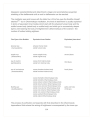
dispassion (ekantanibbida) and detachment (viraga) and accomplishes sequential shedding of the defilements until an end to defilements can be reached.
The meditator sees and knows with the latter fou
This text delves into the significance of dispassion (ekantanibbida) and detachment (viraga) in the process of shedding defilements through meditation. It illustrates the attainment levels based on th
84
Tusita Realm: The Abode of Joy and Light
84
สุขใจ
Tusita Realm
The Meaning of 'Tusita'
The word 'Tusita' means being devoid of anxiety,
being filled with pleasure and cheerful joy. Therefore,
the Tusita Realm means the dwelling of celestial
The Tusita Realm represents a place of joy and serenity, governed by King Santusita, a Stream-Winner. Located about 672,000 kilometers above the Yama Realm, this vast realm is home to numerous Bodhisa