

The Components of the Eightfold Path : หน้า 144/263
The Buddha’s First Teaching : หน้า 144/263 Exploring the interconnected elements of the Eightfold Path that lead to enlightenment, focusing on the insights of Koṇḍañña.
0 ครั้ง
สรุปเนื้อหา
This text discusses the Eightfold Path, emphasizing how all eight components arise together as illustrated by the elder monk Koṇḍañña's attainment of Stream-Entry. It explains the importance of Right View, which enables understanding of the Four Noble Truths, and highlights the processes of releasing oneself from Wrong thought, speech, and action. Koṇḍañña's insights into craving and clinging exemplify the transformative power of the Eightfold Path in achieving enlightenment, ultimately leading to the cessation of suffering. For more insights, visit dmc.tv.
หัวข้อประเด็น
-The Eightfold Path
-Stream-Entry
-Four Noble Truths
-Right View
-Right Intention
-Right Speech
-Right Action
-Right Effort
ข้อความต้นฉบับในหน้า
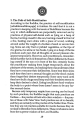
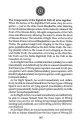
The Components of the Eightfold Path all arise together
When the factors of the Eightfold Path arise, they do so to-
gether — just as the elder monk Koṇḍañña, after listening
to the Dhammacakkapavattana Sutta instantly attained the
Fruit of the Stream-Entry. All eight components of the Path
arose simultaneously allowing the mind to attain the Fruit
of Stream-Enterer. The wisdom of Right View at the level of
the Stream Enterer allowed Koṇḍañña to see the Four Noble
Truths. He gained insight into clinging to the Five Aggre-
gates [upādānakhandha] as the first Noble Truth, the crav-
ing [tanhā] which is the cause of such clinging as the sec-
ond Noble Truth, the extinction of craving as the third No-
ble Truth, the Noble Eightfold Path as the Path to the
Cessation of craving.
As for Right Intention or initial intention [uitaka], he would
immediately and definitively be able to release himself from
the three types of Wrong preoccupation once and for all: pre-
occupation with desire [kāmakvitaka], preoccupation with
illwill [byāpādavitaka] and preoccupation with aggression
[vihimsāvitaka].
As for Right Speech, he would immediately and defini-
tively be able to release himself from the four types of Wrong
Speech once and for all: lying speech [musāvāda], divisive
speech [pisuṇāvācā], harsh speech [pharusavācā], and idle
chatter [samphappalāvācā].
As for Right Action, he would immediately and definitely and-definitively be able to release himself from the three types of Wrong
Action once and for all: killing living beings [pāṇātipāta],
stealing [adinnādāna], and committing adultery [kāmesu-
micchācāra].
As for Right Effort, he would immediately and definitely
be able to release himself from the four types of Wrong Ef
หน้าหนังสือทั้งหมด
1
2
3
4
5
6
7
8
9
10
11
12
13
14
15
16
17
18
19
20
21
22
23
24
25
26
27
28
29

30
31
32
33
34
35
36
37
38
39
40
41
42
43
44
45
46
47
48
49
50
51
52
53
54
55
56
57
58
59
60
61
62
63
64
65
66
67
68
69
70
71
72
73
74
75
76
77
78
79
80
81
82
83
84
85
86
87
88
89
90
91
92
93
94
95
96
97
98
99
100
101
102
103
104
105
106
107
108
109
110
111
112
113
114
115
116
117
118
119
120
121
122
123
124
125
126
127
128
129
130
131
132
133
134
135
136
137
138
139
140
141
142
143
144
145
146
147

148
149
150
151
152
153
154
155
156
157
158
159
160
161
162
163
164
165
166
167
168
169
170
171
172
173
174
175
176
177
178
179
180
181
182
183
184
185
186
187
188
189
190
191
192
193
194
195
196
197
198
199
200
201
202
203
204
205
206
207
208
209
210
211
212
213
214
215
216
217
218
219
220
221
222
223
224
225
226
227
228
229
230
231
232
233
234
235
236
237
238
239
240
241
242
243
244
245
246
247
248
249
250
251
252
253
254
255
256
257
258
259
260
261
262
263
หนังสือที่เกี่ยวข้อง
Load More