

ariya·sāvaka : ค้นหาหนังสือธรรมะ หน้า 1 / 1
หน้าหนังสือทั้งหมด
161
The Power of Right Action and Compassion
the snake started to crush him in his coils, he thought again of killing the snake, but remembering his Precepts he threw down the knife. He thought to himself, that if he should die, at least he woul
This text illustrates the significance of Right Action in Buddhist practice, showcasing a layman's resolute adherence to Precepts when confronted by a snake. The narrative emphasizes that true abstent
162
Teachings of the Buddha on Nobility and Right Action
ter asking all the monks’ names, the Buddha would ask his. The Buddha knew what he was thinking and asked the man his name. “Ariya” replied the man. In fact, the Buddah didn’t need to be told the man’
In this text, the Buddha teaches that true nobility is defined by one's actions towards living beings. Ariya learns that harming others disqualifies him from being 'noble', resulting in his attainment
236
Glossary of Buddhist Terms
Akiṇiṭṭhā (P. Realm of Supreme anurakkhāṇa-paddhāṇa (maintre Brahmas: see form Brahmā
akusalahamma (see unwhole- anusayā (see subtle defilements)
someness) apilapanasati (see monitoring as- alābha (se
This glossary provides definitions and explanations of essential Buddhist terms, including various realms, states of mind, and notable figures. Key concepts such as Anāgamī (non-returner), anatta (not
44
Qualities of a Stream-Attainer in Buddhism
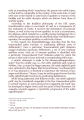
mentioned in the canon.40
The title ‘son of the Blessed one’ suggests that, through the
Buddha, the person was (re)born to the same plane (bhūmi) to which
the Buddha belongs, i.e., passing beyond the
This text delves into the characteristics of a Stream-attainer, identified as a noble disciple who is reborn to a transcendental plane through the Buddha's teachings. Key qualities include association
51
The Transformative Power of the Noble Eightfold Path in Buddhism
…uch a circumstance, the dhamma which transforms a worldly human (puthujjana) into a noble disciple (ariya·sāvaka) may be identified either with defilement-uprooter, the resultant qualities or with both of them.
I…
This text delves into the concept of transformation in Buddhist philosophy, specifically through the Noble Eightfold Path. It highlights how this path aids in the eradication of defilements, enabling
42
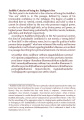
Saddhā: The Criterion of Being the Tathāgata's Son
Saddhā: Criterion of being the Tathāgata's Son
The first point to be looked at is the criterion of being the Buddha’s ‘true son’ which is, in this passage, defined by means of his
irremovable confiden
This text discusses the criterion of being the Tathāgata's son, emphasizing the irremovable confidence (saddhā) in the Buddha. It defines this confidence as settled and unchangeable despite external i
50
Understanding the Connotation of Dhamma in Relation to Brahma
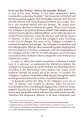
In the case that ‘brahma-’ refers to the masculine ‘Brahma’
In case of the term ‘brahma-’ in the three compounds50 being
translated as a masculine ‘Brahma,’51 the comparison of the first and
the third
In this text, the term 'brahma-' is analyzed in the context of its translation as the masculine 'Brahma.' It discusses how the comparison between the Tathāgata and the Brahma, the creator, illustrates
218
General Index of Meditation and Mindfulness Concepts
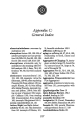
Appendix C:
General Index
absent-mindedness: overcome by meditation 124
absorption: factors 123, 129-132; of neither-perception-nor-non-perception 193; fifth 131; first 85, 123, 129; fourth 129; sec
This general index compiles significant terms and concepts related to meditation and mindfulness practices. It includes terms like absent-mindedness, absorption, and aggregates of clinging, helpful fo
241
รายนามเจ้าภาพผู้อุปถัมภ์
บจก. রাজ্যসেৱାৰ প্ৰিণ্ট (১৯৭৭)
กัลฯสุธิรา ปิยะบูร
กัลฯอนวิทย์, สุทธิรา, นิรันธรณ์, อนัญญา ศิตามโณชญ์
กัลายาริย์ – TERUYUKI – ARIYA – TAKAKO SAKUMA
คุณยายพอ ลิ่มเปาเจียร – นุชนา – น้อยยา – คุณเกรียงศัก
บทความนี้นำเสนอรายชื่อเจ้าภาพที่มีส่วนร่วมในการอุปถัมภ์กิจกรรมทางศาสนา โดยเฉพาะในเขตจังหวัดเลย โดยมีชื่อผู้เข้าร่วม เช่น กัลฯ สุธิรา ปิยะบูร และอื่น ๆ ผู้ที่มีส่วนร่วมทั้งในการบำเพ็ญกุศลและการสนับสนุน
72
Understanding the Levels of Dhammakāya and Noble Disciples
In regard to the different levels of dhammakāya, the canon talks about the different states of trainees (sekha) and non-trainees (asekha). The former refers to states in which a further course is yet
The text elaborates on the different levels of dhammakāya, categorizing trainees and non-trainees based on their qualities and practices. Trainees are seen as individuals who still have further course
19
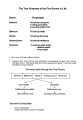
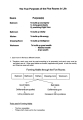
The True Purposes of the Five Rooms in Life
The True Purposes of the Five Rooms in Life
Room Purpose(s)
Bedroom To build up courage by
1) doing good deeds
2) pra
This text outlines the distinct purposes of the five rooms in life: Bedroom for courage, Bathroom for vitality, Kitchen for energy, Dressing Room for intelligence, and Workroom for wealth. Emphasizing
21
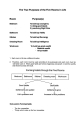
The True Purposes of the Five Rooms in Life
The True Purposes of the Five Rooms in Life
Room | Purpose(s)
Bedroom | To build up courage by
| 1) doing good deeds
| 2) practicing Right View
Bathroom | To build up vitality
Kitchen | To build up
เนื้อหาอธิบายถึงห้องทั้งห้าห้องในชีวิตและวัตถุประสงค์ของแต่ละห้อง ซึ่งมีความสำคัญต่อการเติบโตส่วนบุคคลและการสร้างนิสัยที่ดี โดยห้องนอนช่วยเสริมสร้างความกล้าหาญ ห้องน้ำช่วยเพิ่มพลังชีวิต ห้องครัวเพิ่มพ
25
The True Purposes of the Five Rooms in Life
The True Purposes of the Five Rooms in Life
Room Purpose(s)
Bedroom To build up courage by
1) doing good deeds
แต่ละห้องในชีวิตมีฟังก์ชันที่แตกต่างกัน และต้องใช้ตามวัตถุประสงค์เพื่อสร้างนิสัยที่ดี ซึ่งจะนำไปสู่ความสุขและการเติบโต ทั้งในด้านโลกและธรรม เมื่อมีนิสัยที่ดีจะช่วยเปิดประตูสู่วิถีชีวิตที่ดีขึ้น ปัญหาใ
16
Understanding the Dhammacakka Pavattana Sutta
emonies. This is especially true of the ceremonies held on Asālha Pūjā Day, when it is a traditional duty for Buddhist monks to celebrate the anniversary of the preaching of the Dhammacakka Pavattana
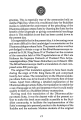
The Dhammacakka Pavattana Sutta holds significant importance in Buddhist ceremonies, especially during Asālha Pūjā Day when monks chant it for laypeople's benefit. Unfortunately, finding unabridged co
213
Understanding Suffering and Its Origin
aloko udāpadi. must be done in relation to Suffering.
<3.5.3> Ta
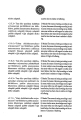
This text discusses the detailed understanding of suffering as articulated by monks. It highlights the arising of wisdom, knowledge, and brightness concerning truths about suffering and its origin tha
226
Understanding Key Buddhist Concepts
Inention, Right (see Right Intention)
internment in the womb, suffering
irritation (see annoyance)
jealousy 50
jewel, wish-fulfilling - metaphor for Middle Way 39
jewel-knowing 110
joy 38, 123, 130
ka
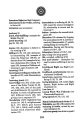
This text delves into central Buddhist themes such as the nature of suffering, the importance of right intention, and the concept of liberation. Key metaphors like the jewel of knowledge and the lion