

The Power of Right Action and Compassion : หน้า 161/263
The Buddha’s First Teaching : หน้า 161/263 Explore the themes of Right Action, compassion, and mindfulness through the transformative stories inspired by Buddhist teachings.
0 ครั้ง
สรุปเนื้อหา
This text illustrates the significance of Right Action in Buddhist practice, showcasing a layman's resolute adherence to Precepts when confronted by a snake. The narrative emphasizes that true abstention from killing arises not just from following Precepts but also from transcending harmful intentions. The story of Ariya, a fisherman who feels shame upon encountering the Buddha, highlights the transformative power of awareness and morality. Both accounts demonstrate how the practice of Precepts leads to deeper understanding and compassion in daily life. Embracing Right Action enables individuals to align with their higher selves, transforming fear-based responses into a life guided by wisdom and kindness. Ultimately, these teachings encourage readers to reflect on their actions and intentions, fostering a peaceful coexistence with all beings. Explore more at dmc.tv.
หัวข้อประเด็น
-Right Action
-Precepts
-Compassion in Buddhism
-Morality
-Fear and awareness
-Transcending harmful intentions
-Buddha's teachings
-Impact of mindfulness on daily actions
ข้อความต้นฉบับในหน้า
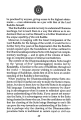
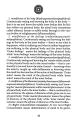
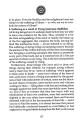
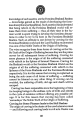
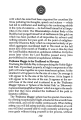
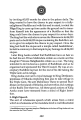
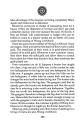
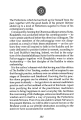
the snake started to crush him in his coils, he thought again of killing the snake, but remembering his Precepts he threw down the knife. He thought to himself, that if he should die, at least he would die with pure Precepts. However, by the migh of the intention of the layman to lay down his life for his Precepts, his body became hot like a flame, making the snake unable to bear to touch him any more and it uncoiled and made its escape — this is an example of thinking that is Right Action on the level of having requested the Precepts in advance.
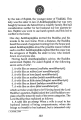
Abstaining from killing either on the spur of the moment or because of having taken the Precepts in advance are both examples of Right Action on the ‘mundane’ path [lokiyamagga].
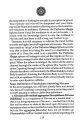
The following account, by contrast tells us how killing can be abstained from by having transcended the very intentions to kill:
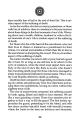
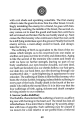
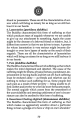
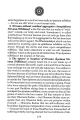
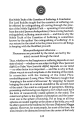
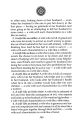
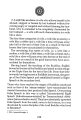
There was a fisherman called "Ariya" (lit. "noble one") who lived during the time of the Buddha. As a fisherman, he caught and killed fish every day. One day in meditation, the Buddha saw Ariya's potential to attain the fruit of stream-entry [sota,pattihala] and went, with a number of other monks to where Ariya was fishing. Seeing the Buddha approaching, Ariya became ashamed of his action and hid his fishing line. When the Buddha arrived, while standing in front of the man, he asked Sāriputta his name. "Sāriputta", replied Sāriputta. The Buddha then proceeded to ask the name of each of the monks and overhearing, the man wondered whether af-
หน้าหนังสือทั้งหมด
1
2
3
4
5
6
7
8
9
10
11
12
13
14
15
16
17
18

19
20
21
22
23
24
25
26
27
28
29

30
31
32
33
34
35
36
37
38
39
40
41
42
43
44
45
46
47
48
49
50
51
52
53
54
55
56
57
58
59
60
61
62
63
64
65
66
67
68
69
70
71
72
73
74
75
76
77
78
79
80
81
82
83
84
85
86
87
88
89
90
91
92
93
94
95
96
97
98
99
100
101
102
103
104
105
106
107
108
109
110
111
112
113
114
115
116
117
118
119
120
121
122
123
124
125
126
127
128
129
130
131
132
133
134
135
136
137
138
139
140
141
142
143
144
145
146
147

148
149
150
151
152
153
154
155
156
157
158
159
160
161
162
163
164
165
166
167
168
169
170
171
172
173
174
175
176
177
178
179
180
181
182
183
184
185
186
187
188
189
190
191
192
193
194
195
196
197
198
199
200
201
202
203
204
205
206
207
208
209
210
211
212
213
214
215
216
217
218
219
220
221
222
223
224
225
226
227
228
229
230
231
232
233
234
235
236
237
238
239
240
241
242
243
244
245
246
247
248
249
250
251
252
253
254
255
256
257
258
259
260
261
262
263
หนังสือที่เกี่ยวข้อง
Load More