

Understanding the Dhammacakka Pavattana Sutta : หน้า 16/263
The Buddha’s First Teaching : หน้า 16/263 Exploring the significance of the Dhammacakka Pavattana Sutta and its enduring traditions in Buddhism, particularly during Asālha Pūjā Day.
0 ครั้ง
สรุปเนื้อหา
The Dhammacakka Pavattana Sutta holds significant importance in Buddhist ceremonies, especially during Asālha Pūjā Day when monks chant it for laypeople's benefit. Unfortunately, finding unabridged commentaries has become challenging. This discussion highlights a copy of the Sāratthasamuccaya, reprinted by H.M. King Rama IX, which offers a rich commentary on the Sutta that dates back 800 years. Its translation from around King Rama III's era includes a detailed explanation of the Sutta and showcases remarkable literary quality. The author's goal is to provide easier access to this work, encouraging its practical adoption in the Buddhist community, fostering deeper understanding and practice in alignment with the Buddha's teachings.
หัวข้อประเด็น
-Dhammacakka Pavattana Sutta
-Asālha Pūjā Day
-Buddhist traditions
-Sāratthasamuccaya
-H.M. King Rama IX
-Commentary on Buddhist texts
ข้อความต้นฉบับในหน้า
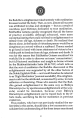
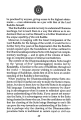
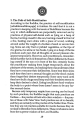
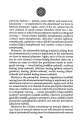
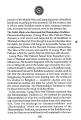
emonies. This is especially true of the ceremonies held on Asālha Pūjā Day, when it is a traditional duty for Buddhist monks to celebrate the anniversary of the preaching of the Dhammacakka Pavattana Sutta by chanting the Sutta for the benefit of the laypeople or giving commentarial teachings about it. This tradition is one that has been carried down to the present day.
It is regrettable that in the present day, it is becoming more and more difficult to find unabridged commentaries on the Dhammacakka Pavattana Sutta. The present author was thus privileged to obtain a copy of the Sāratthasamuccaya reprinted by H.M. King Rama IX of Thailand on the occasion of the cremation held at Wat Thepsirindaravas of His Late Holiness the Supreme Patriarch of Thailand Phra Ariya-vamsāgatasānā (Wās Wasan Mahathera) on 18 March 1989.
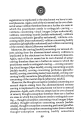
The Sāratthasamuccaya itself is a translation of a text composed some 800 years ago.
The original Thai translation appears to have been made during the reign of H.M. King Rama III and comprised twenty-two verses. The commentary on the Dhammacakka-pavattana Sutta was to be found in the twenty-first of these verses. Apart from offering a detailed explanation of the Dhammacakka-pavattana Sutta, the translation is notable for a use of language so rich and impressive that it could easily qualify in itself as a Buddhist literary masterpiece.
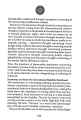
Having read this translation of the Dhammacakka-pavattana Sutta, it was the dearest wish of the present author to make this book more readily accessible to the Buddhist community, to facilitate the implementation of this Sutta’s message into personal practice in the footsteps of the Buddha and the arahants. Modern students of the original
หน้าหนังสือทั้งหมด
1
2
3
4
5
6
7
8
9
10
11
12
13
14
15
16
17
18
19
20
21
22
23
24
25
26
27
28
29
30
31
32
33
34
35
36
37
38
39
40
41
42
43
44
45
46
47
48
49
50
51
52
53
54
55
56
57
58
59
60
61
62
63
64
65
66
67
68
69
70
71
72
73
74
75
76
77
78
79
80
81
82
83
84
85
86
87
88
89
90
91
92
93
94
95
96
97
98
99
100
101
102
103
104
105
106
107
108
109
110
111
112
113
114
115
116
117
118
119
120
121
122
123
124
125
126
127
128
129
130
131
132
133
134
135
136
137
138
139
140
141
142
143
144
145
146
147
148
149
150
151
152
153
154
155
156
157
158
159
160
161
162
163
164
165
166
167
168
169
170
171
172
173
174
175
176
177
178
179
180
181
182
183
184
185
186
187
188
189
190
191
192
193
194
195
196
197
198
199
200
201
202
203
204
205
206
207
208
209
210
211
212
213
214
215
216
217
218
219
220
221
222
223
224
225
226
227
228
229
230
231
232
233
234
235
236
237
238
239
240
241
242
243
244
245
246
247
248
249
250
251
252
253
254
255
256
257
258
259
260
261
262
263
หนังสือที่เกี่ยวข้อง
Load More