

deva-worlds : ค้นหาหนังสือธรรมะ หน้า 3 / 3
หน้าหนังสือทั้งหมด
7
Call to the Angels - A Chant for Protection
Call to the Angels
(In Pali)
Samantā cakkavāleṣu
Saddhammam muni-rajassa
Dipe rathe ca gāme
Bhummā cāyantu devā
Tīṭhantā santike yang
Dhammassavanakālo ayambhadantā
Dhammassavanakālo ayambhadantā
Dham
This text serves as a call for the celestial beings (devas) from around the galaxies to gather and listen to the recitation of the True Dhamma, which is believed to lead to spiritual liberation. It em
22
Understanding the First Noble Truth
-- The First Noble Truth states that all conditioned existence is characterized by suffering or unsatisfactory condition.
-- Suffering exists. Birth, aging, sickness, death, discontentment, disappoint
The First Noble Truth explains that all conditioned existence is marked by suffering. This suffering encompasses various forms such as birth, aging, illness, and death. Essential concepts like attachm
36
The Fear of Death and Eternal Wisdom
36
Buddha Meema
the Buddha expounded a discourse in appreciation (anumodana).
At the end of the discourse, Mahadhana the merchant attained sŏtapatti fruition.
He followed the Buddha for some distance
In a significant discourse, the Buddha speaks on appreciation and the reality of death through the story of Mahadhana, a merchant who reached sotapatti fruition but faced the harsh truth of mortality
44
ปรัชญาพุทธศาสนาเกี่ยวกับการเกิดใหม่
44
อินเดีย มณี
Ininda Manee
"But why did she speak thus?"
"Soley because you were her youngest brother.
Householder, your daughter was old in the Paths and the Fruits, for while you have attained but
เนื้อหาเกี่ยวกับการสนทนาระหว่างพระพุทธเจ้ากับสมาชิกในครอบครัวที่มีการพูดคุยเกี่ยวกับการเกิดใหม่ของบุตรสาว โดยชี้ให้เห็นว่าผู้ที่มีสติมีความสุขทั้งในโลกนี้และโลกหลังความตาย และบุตรสาวของพระเจ้ามีการเกิ
70
The Rebirth of the Queen and the Buddha's Compassion
After her burial, the king intended to ask the Buddha where she was reborn. The Buddha wished to spare his feelings, and also did not want him to lose faith in the Dhamma. So he willed that this quest
หลังจากการฝังศพของพระราชินี พระราชาทรงตั้งใจจะถามพระพุทธเจ้าเกี่ยวกับการบังเกิดใหม่ของพระองค์ พระพุทธเจ้าต้องการที่จะปกป้องความรู้สึกของพระราชา และไม่ต้องการให้พระองค์สูญเสียศรัทธาในธรรม ดังนั้นจึงทรง
72
ความสุขสำหรับเด็กๆ: การสอนทางพระพุทธศาสนา
72
สุขสันต์
สำหรับ เด็กๆ เนื้อหาเบื้องต้น
After offering alms-food, the king asked the Buddha where queen Mallika was reborn and the Buddha replied, "Mallika has been reborn in the Tusita deva world.
ในเนื้อหานี้พระราชาได้ถามพระพุทธเจ้าเกี่ยวกับการเกิดใหม่ของพระราชินีมัลลิกา ซึ่งพระพุทธเจ้าตอบว่า พระราชินีมัลลิกาได้เกิดในสวรรค์ทัสติตา พระราชามีความสุขมากกับคำตอบนี้และไตร่ตรองถึงดีและความหมายของการ
95
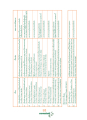
Stories of Enlightenment and Wisdom
The Story of Prince Abhaya
The Story of Monk Sammunithera
The Story of Monk Anulamitra
The Story of Venerable Gela
The Story of Thirty Gela
The Story of Cinnamana Vyasa
The Story of Ananda
The Story o
This compilation presents various stories, including the profound narratives of Prince Abhaya, Monk Sammunithera, and the key teachings of the Buddha related to temptation and enlightenment. Each stor
36
ธรรมธารา วารสารวิชาการทางพระพุทธศาสนา ฉบับรวมที่ 3 ปี 2559
94
ธรรมธารา
วารสารวิชาการทางพระพุทธศาสนา ฉบับรวมที่ 3 ปี 2559
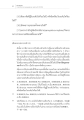
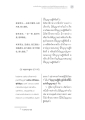
[15] สัมมาสังกิัฐในระดับโลกียะไม่มี, ศรัทธิณิทธีในระดับโลกะ
ไม่มี48
[16] อัปพยากฎธรรมทั้งหลายไม่มี49
[17] because ที่เข้า สู่สัมยัถวนิยาม(
บทความนี้พูดถึงความเปลี่ยนแปลงของหลักธรรมในพระพุทธศาสนาซึ่งมีการปรับเปลี่ยนไปตามเวลา โดยการศึกษาและการวิเคราะห์ข้อมูลนั้นจำเป็นต้องพิจารณาอย่างรอบคอบ ในบางกรณีก็มีการเปลี่ยนแปลงชื่อและแนวคิดที่ปรากฏใน
25
复有众生,一身若干想,光音天,是 三識住。
หรือ有众生,空處住,是五識住;或識處住,是六識住;或不用處住,是七識住。
(3) สูตรตรษสูตร (DN10)
katame satta dhamma pariññeyya? satta viññāṇa-ṭṭhito. sant΄āvuso satta nānatta-kāya nānatta-saṅñino, seyyathā pi
215
The Tathāgata and the Cycle of Enlightenment
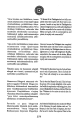
Yāva kivāñca me bhikkhave, imesu "O! Monks! If the Tathāgata had not fully com-
catusu ariyassaccevaṁ tiparivattaṁ completed these three cycles with their twelve com-
dvaḍasākāraṁ yathābhuṭṭaṁ nān
In this text, the Buddha addresses monks, emphasizing that he has fully completed the three cycles of truth, which affirms his status as a fully self-enlightened Buddha. He claims that this enlightenm