

non-Buddhist : ค้นหาหนังสือธรรมะ หน้า 26 / 57
หน้าหนังสือทั้งหมด
7
Pharajbhananaavisudh: A Journey in Dhamma and Meditation
In year 1969, Pharajbhananaavisudh [Venerable Dhammajayo Bhikkhu] ordained at Paknam
thus entered Buddhist priesthood. Since then he has been committed to teaching with compassion all Buddhists
freque
In 1969, Pharajbhananaavisudh, or Venerable Dhammajayo Bhikkhu, dedicated himself to teaching Buddhism and meditation, especially to children of his temple congregation. His dream of establishing a de

30
Activities at YUWA CAMP
Here is the extracted text from the image:
---
Afternoon activity
On the first day of the camp, at 14.30, Yuwakalayanamitra either learn Buddhist culture or make and receive merits through cleaning.
At YUWA CAMP, participants engage in learning Buddhist culture or performing merit through cleaning. They enjoy sports like football and badminton during free time. A special board allows them to expr

59
Child Development through Activities at YUWA CAMP
Doing activities together, each child’s character will be observed. A child may like to work on his or her own while another enjoys team work. Therefore, the children will learn how to cope with peopl
At YUWA CAMP, children engage in activities that encourage socialization, teamwork, and personal growth. They learn to cope with different personalities while practicing Buddhist principles like perse
30
วิมปัสสนา
บัณฑิตสาร
Where is Buddhist saint?
Buddhist saint in a cave:
พระธรรมในบานถาน
มักอาศัยอยู่ในถานที่สงบและเงียบสงัดในพระบรมราชวังและในวัด
- ผู้ชายในธรรม
- มังสวิรัตน์อายุ
- พักผ่อนบ่อยครั้งใ
55
English for Buddhism Lovers
English for Buddhism Lovers
เลือก : เทศ กรรม รวา จรขึ้น
artwork : แม่ว
English for Buddhism Lovers
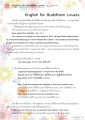
เดือนี้งานบุญที่เด่นที่สุดคงไม่พ้นพิธีกรรมรวมวิ สาขาอุบาลที่ผ่านไปแล้วนะคะ เรามาดูคำศัพท์ ภาษาอังกฤ
This content focuses on English vocabulary relevant to Buddhist ceremonies, including important terms and phrases for laypeople and disciples. Key highlights include the holy thread, invitations to jo
21
English for Buddhism Lovers
English for Buddhism Lovers
By: Dr. Apirompan Vasavakul
คำที่นำมุขแล้วนี้ เกี่ยวข้องกับ
งานถวายเหล่าของศตวรรษอาจารย์ ที่ไม่มีองค์ที่มาน่ามาก..
เสาหิน
foundation pile
(ผานีอิ่น, ไทย)
ระดับฐาน, เพรส
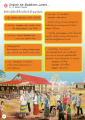
This text focuses on the terminology and practices related to Buddhist ceremonies, specifically the construction of a foundation pile for a temple. It discusses the significance of the events and invi
48
Essential Vocabulary for Buddhist Ceremonies
English for Buddhism Lovers
By: Dr. Apiraporn Vasavakul
ศัพท์น่ารู้เดือนนี้เกี่ยวข้องกับพิธีบวชค่ะ
1. กฐิน kathina ceremony (คาทิน่า เซอร์โมนี)
2. เข้าพรรษา Buddhist Lent (พุทธิสนา เล็นท์) หรือ Rain
บทความนี้นำเสนอศัพท์น่ารู้เกี่ยวกับพิธีบวชในพระพุทธศาสนา เช่น พิธี กฐิน และการเข้าพรรษา รวมถึงคำศัพท์ที่ใช้ในบริบทของการทำบุญ และคำที่ใช้ในการบรรยายความงามของขบวนอัญเชิญผ้าคาตินา มีการแนะนำคำภาษาอังกฤ
18
Understanding Dhammakāya and Theravāda Manuscripts
and is ‘spiritually reborn’. The dhammakāya becomes her new identity as the milk nourishes her spiritually. It is something she is given as a verbal teaching.
To add the material from the Apadānas is
This text delves into the doctrine of dhammakāya, representing a new spiritual identity that arises from teachings, akin to nourishment from milk. It connects the concepts found in the Agañña-sutta, i
27
Exploring the Manuscripts of Nong Pa Fa Cave
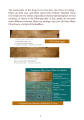
The manuscripts of the Nong Pa Fa Cave have two forms of writing: Dham Lao from Laos, and Dham Lanna from northern Thailand. These two scripts are very similar, especially on manuscripts dating back s
The manuscripts of the Nong Pa Fa Cave showcase two primary forms of writing: Dham Lao from Laos and Dham Lanna from northern Thailand. While these scripts exhibit notable similarities, especially in
28
Historical Influences on Dham Lao and Lanna Scripts
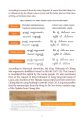
According to research done by many linguists, it seems that the Dham Lao is influenced by the Dham Lanna script, and the latter derives from Mon writing, as Burmese does also.
THE FAREWELL OF PHRA MA
Research indicates that Dham Lao is influenced by Dham Lanna, which derives from Mon writing. The historical chronicles reveal that King Tilokaraja organized a significant Buddhist Council in 1477 CE,
33
Reinterpreting Dhammarāya in the Pali Canon
Most of them refer only to the Aggañña-sutta passage, 4 missing out the three Apadāna references. 5 The reason could be either that the scholars concerned have taken the aforementioned text as represe
This paper examines the overlooked references to dhammarāya in the Pali canon, emphasizing a context not previously presented. It critiques the tendency to categorize texts strictly as ‘early Buddhism
38
Understanding the Concept of Dhammakāya in Buddhist Thought
D.III.84
Vāsettha and Bhāradvāja, he whose confidence in the
Tathāgata is settled, rooted, established, solid, irremovable by
any ascetic or brahmin, any deva or Māra or Brahmā or anyone
in the world
In this passage, Vāsettha and Bhāradvāja discuss the unwavering confidence in the Tathāgata, stating that those deeply rooted in dhamma can claim to be heirs of dhamma. The term 'dhammakāya' and its i
42
Saddhā: The Criterion of Being the Tathāgata's Son
Saddhā: Criterion of being the Tathāgata's Son
The first point to be looked at is the criterion of being the Buddha’s ‘true son’ which is, in this passage, defined by means of his
irremovable confiden
This text discusses the criterion of being the Tathāgata's son, emphasizing the irremovable confidence (saddhā) in the Buddha. It defines this confidence as settled and unchangeable despite external i
46
Buddhism and the Concept of Nirvāṇa
**43** This is, perhaps, as Eliade observes, ‘for the Buddha, one can be ‘saved’ only by attaining nirvāṇa - that is, by going beyond the plane of profane human experience and re-establishing the plan
Eliade suggests that for the Buddha, salvation comes through attaining nirvāṇa, transcending the mundane aspects of human life and entering an unconditioned state. This transformation entails a metaph
51
The Transformative Power of the Noble Eightfold Path in Buddhism
refer to something which 'transforms' the person into noble states, so that itself is comparable to the creator. At the same time, it must refer also to the shared or same kind of qualities or essence
This text delves into the concept of transformation in Buddhist philosophy, specifically through the Noble Eightfold Path. It highlights how this path aids in the eradication of defilements, enabling
56
Understanding Brahmabhūta and the Path to Nibbāna
where all fetters are unrooted, or at least they signify the ‘best’ state.
The same may be said for the parallel of dhammacarĺa and brahmacarĺa. Although these two compounds are normally used in dif
The text discusses how 'brahmabhūta' refers to the state of having eradicated all defilements, allowing one to experience ultimate peace and happiness. It parallels 'dhammacarĺa' and 'brahmacarĺa' as
74
Understanding Dhammakāya and Enlightenment
the function of each particular transcendent dhamma.116 The totality of transcendental qualities constituting each transcendental state, which is identified earlier with dhammakāya, denotes a degree o
This text analyses the concept of dhammakāya, highlighting its connection to enlightenment and the associated happiness. It emphasizes the blameless nature of dhammakāya and notes Gotami's insights in
76
Understanding the Terms Kevala and Dhammakāya in Buddhist Texts
Generally, the term ‘kevala’ is translated either as ‘only’ or ‘entirely.’ It is observed that, whenever the term appears together with another word that conveys the meaning of ‘emanating,’ ‘illuminat
This text explores the interpretation of key Buddhist terms such as 'kevala', which denotes 'only' or 'entirely', particularly in contexts associated with illumination. The term 'dhammakāya', often li
77
Re-evaluating the Concept of Dhammakāya in the Pali Canon
No-one can upset the (Padumuttara Buddhu) entire mine of jewels, who is demonstrating the dhammakāya; having seen him, who is not pleased?
In order to clarify further regarding the precise connotation
This study revisits the term dhammakāya in the Pali canon, highlighting its significance in Buddhist teachings. By examining the Sambuddha-sutta, the relationship between 'the path' and dhammakāya is
79
Understanding Dhammakāya: A Noble Identity
As a noun, the term refers to the new identity of a noble person once he/she is transubstantiated either from the worldly plane to a supramundane plane or from a lower transcendent state to a higher.
The term Dhammakāya refers to the new identity of a noble person following transubstantiation, highlighting different levels of realization. It embodies the reality spiritually identified with the Bud