

non-Buddhist : ค้นหาหนังสือธรรมะ หน้า 7 / 82
หน้าหนังสือทั้งหมด
6
Creating Harmony and Understanding in Family and Society
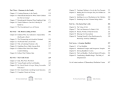
Part Three ~ Harmony in the Family 157
Chapter 15 Creating Harmony in the Family 159
Chapter 16 What Should Parents Do When Their Children Do Not Get Along? 165
Chapter 17 Remedying the Situation When
This section explores vital aspects of family dynamics, including creating harmony, handling sibling conflicts, and instilling compassion in children toward vulnerable relatives. It further delves int
124
Meetings with a Dhamma Master
Meetings with a Dhamma Master
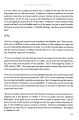
is a more coarse way to judge good and/or bad, we might not have the best way but at least people can live with one another. In addition to custom or tradition, we can a
The text explores how good and bad actions are judged in Buddhism, emphasizing the importance of intention in determining Kamma. It reflects on the historical context of societal divisions due to misu
84
The Core Principles of Buddhist Living
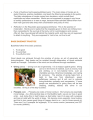
Purity of livelihood (achivaparissuddhismavara): The main duties of monks are to study Dhamma, practice meditation, and teach the Dharma knowledge to the public. The daily subsistence of monks comes f
This text outlines the essential duties and practices of Buddhist monks focusing on livelihood, moderation, and core principles of Buddhism. Monks dedicate themselves to studying Dhamma, meditating, a
3
Garudhamma 8 and Gender Equality in Early Buddhism
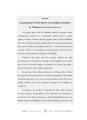
…ranslation of
some items in the eight garudhamma, a misunderstanding about how the
Buddha applied non-Buddhist norms with the Buddhist community, and
This paper investigates the debate surrounding the eight garudhamma and their perceived authenticity in Buddha's teachings, analyzing gender equality in early Buddhism. It reviews claims challenging t
195
Understanding the Three Characteristics of Buddhism
Characteristics (tilakkhana), consisting of impermanence
(aniccata), suffering (dukkhata), and non-self (anattata). This
truth stands behind all living beings in this world.
The truths of the Law of K
This text explores the Three Characteristics of Buddhism—impermanence, suffering, and non-self. It discusses how misconceptions among children regarding Buddhist teachings and monks can hinder their u
6
Introducing Thai Theravada Wisdom for All Cultures
Forward
When we want to introduce a new food item to the
population of a country, we have to adjust the seasoning
to fit the general tastes and flavor of the country that the
new food is for. It is no
This text discusses the adaptation of the original Thai Theravada Buddhist book, 'The Warm Hearted Family,' for a broader audience. It emphasizes that, similar to how pizza can be enjoyed by anyone, t
184
Glossary of Key Concepts in Buddhist Philosophy
Part Seven: Appendixes
Glossary
Anattata: Non-self; nothing in the world has implicit
identity
"There is nothing out there, not even our bodies, which
we can control. Thus, it is not distinctly ours.
This glossary provides definitions for key Buddhist concepts such as Anattata (non-self), Aniccata (impermanence), and Bhavana (meditation). It emphasizes the understanding that nothing possesses a pe
191
Appendixes of Theravada Buddhism
Part Seven: Appendixes
Theravada: "the Doctrine of the Elders"; considered as
"Orthodox" Buddhism
Tripitaka: The Pali Canon; Source of Buddhist Scriptures
dating back to the time of the Buddha
Tilakkh
This section provides definitions and explanations of key terms related to Theravada Buddhism. It includes insights into the Tripitaka, the Pali Canon which is the primary source of Buddhist scripture
41
The Noble Middle Way in Buddhism
…the jungle.
It is for all of these reasons that the Lord Buddha taught that self-mortification is a non-Buddhist practice, it is unwholesome, ignoble and unsuitable for monks subscribing to Buddhism to practise o…
The text discusses self-mortification as a non-Buddhist and dangerous practice, as taught by the Buddha. It emphasizes the importance of the Noble Middle W…
237
Exploring Concepts of Buddhist Mythology
Asaññisatta (P. realm of non-per- ayatana nibbāṇa q.v. (lit. the recipient beings: see form Brahmā sphere of Nirvana realms) āsavakkhayañāṇa (see knowledge of an end of defilements) ayatana (lit. sphe
This text delves into intricate Buddhist concepts such as Asaññisatta, the realm of non-perception, and its relation to Nibbāṇa, highlighting essential terms like bhāvanā (development), and defilement

53
ประสบการณ์การปฏิบัติธรรม
continued meditating on a regular basis and reading
Buddhist books during my free time. The meditation
helped me to endure some of the unsightly things |
saw working in a slum and at the AIDS hospice.
continued meditating on a regular basis and reading Buddhist books during my free time. The meditation helped me to endure some of the unsightly things | saw working in a slum and at the AIDS hospice.
34
Understanding the Three Characteristics of Existence
When we receive fortune, prestige, recognition or happiness,
our minds will remain calm, not overwhelmed or attached.
A person who is aware of suffering and happiness has
trained the mind to be as sta
This text elaborates on the Three Characteristics: impermanence, suffering, and non-self, as fundamental truths of existence in Buddhism. It highlights how fortune, prestige, and happiness are tempora
175
Training Oneself in Non-Recklessness through Austerity
Chapter 40
Training Oneself in Non-Recklessness by
Practicing Austerity (Dhutanga)"
Life is full of uncertainties and danger awaits those who
are reckless with their lives. The Lord Buddha once said,
本章探讨了如何通过修行苦行来培养非轻率的心态。佛陀教导说,轻率的人就像死去的人。通过苦行,人们可以学习更加小心翼翼地生活。佛陀在传播法教过程中,总共给予了84000个教导,其核心在于非轻率,这是他在入涅槃前对弟子们的最终教诲。
36
Golden Age of Inner Peace
36
36
Golden Age of Inner Peace
of life. Although the late Mr. Alfred Nobel left this
world many decades ago, his great vision and his
much admired work live on to this day because of
the Nobel family
The late Alfred Nobel's vision lives on through the ongoing work of the Nobel family and the Nobel Foundation, symbolizing achievements in peace and humanity. The Dhammakaya Temple and Foundation expr
34
Understanding the Three Characteristics of Existence
When we receive fortune, prestige, recognition or happiness,
our minds will remain calm, not overwhelmed or attached.
A person who is aware of suffering and happiness has
trained the mind to be as s
This text discusses the importance of understanding the Three Characteristics of existence: Impermanence, Suffering, and Non-self. It emphasizes that fortune, prestige, and happiness are temporary and
59
Understanding Dhamma and Nibbāna
The parallel usage of dhammakāya and dhammabhūta with brahmakāya and brahmmabhūta suggests further that the term dhamma in the passage should refer to Nibbāna. Indeed, it is possible also to say that
This study delves into the concepts of dhamma and Nibbāna, positing that dhamma refers to transcendental dhamma, which serves as a transformer and defilement eradicator. It explores how the realizatio
73
Supramundane Paths and Fruits in Dhammakāya
supramundane paths and fruits. 113 The ‘four pairs’ are mentioned instead when particular paths and their corresponding fruits are collectively called under the same titles. Of the eight transcendenta
The text discusses the different transcendental levels of dhammakāya, highlighting the distinction between trainees and non-trainees. The first seven levels correspond to qualities of trainees, wherea

68
The Virtue of Absorbing in the Velama Sutta
68
The Virtue of Absorbing
7. Velama Sutta
"If one were to feed one non - returner, that would be more fruitful than... if one were to feed 100 oncereturners.
"If one were to feed one arahant, that
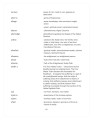
In the Velama Sutta, the text highlights the profound impact of offering food to individuals with high spiritual attainment. It asserts that feeding a single non-returner yields greater merit than fee
63
Concepts of Enlightenment in Buddhism
อายามูชุ cause of ruin; roads to ruin; gateway to destruction
อัย Tant giving of forgiveness
อั ญ ญา super-knowledge; ultra-conscious insight; divine
อิ ธรรม power; spiritual power; supranatural
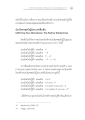
บทเรียนสำคัญเกี่ยวกับแนวคิดในพระพุทธศาสนา ได้แก่ อายามูชุ (ภาวะสูญเสีย), อรหันต์ (บุคคลผู้มีคุณธรรม), อริยสัจ ๔ (ความจริงอันสูงสุด ๔ ประการ) ซึ่งเป็นรากฐานในการตีความศาสนา พระพุทธเจ้าทรงค้นพบความจริงเ
12
การศึกษาวิเคราะห์เชิงทฤษฎีประเภทนิยมของพระนารถในคัมภีร์มัลมะยะมะกะรัง
การศึกษาวิเคราะห์เชิงทฤษฎีประเภทนิยมของพระนารถในถ้อยคำในคัมภีร์มัลมะยะมะกะรัง (The Analytical Study of the Affirmative Catuskoti by Nâgarjuna in Mūlamadhyamakakārikā Scripture
143
ต่อไปนี้จะเป็นรายละเ
บทความนี้นำเสนอการศึกษาเชิงวิเคราะห์ของประเภทนิยมของพระนารถในคัมภีร์มัลมะยะมะกะรัง โดยเฉพาะในการสร้างประโยคคาถุตามลักษณะของประจน์ทางตรรกศาสตร์ ผ่านการพิจารณาโครงสร้างของประโยคในรูปแบบแสดงทัศนะต่าง ๆ อ