

non-Buddhists : ค้นหาหนังสือธรรมะ หน้า 3 / 21
หน้าหนังสือทั้งหมด
7
Understanding the Mind in Thai Culture
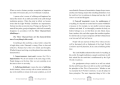
"this or that", "black or white", with no gray area, as the
locals find this logic easy to grasp and put into practice. In
addition, Thai culture and language has a relatively large
amount of words an
This text discusses the simplicity of dualistic thinking in Thai culture and the rich linguistic resources that explain human cognition. It emphasizes that terms often linked to Buddhism should be tre
203
The Merits of Contributing to Buddha Images
Here is the extracted text from the image:
---
Those who are not born during the life of a Buddha must seek refuge in the Lord Buddha’s teachings, unaware of His appearance.
Our country’s ancestors
Those not born during Buddha's time must seek refuge in His teachings. Our ancestors, through meditation, recreated His image in Buddha statues, enriching our faith and spiritual knowledge. Contributi

69
Success of Moral Training Projects: Dhammadayada Program
ASE HISTORY OF THE SUCCESS OF MORAL TRAINING PROJECTS
The Dnammadayada (Dhamma Inheritors) Training Programme has been conducted for twenty-seven years since the beginning of the Dhammikaya Foundatio
The Dhammadayada Training Programme has operated for twenty-seven years, focusing on hands-on Buddhist practice for students. In 1996, the program was scientifically assessed, revealing that participa
34
Understanding the Three Characteristics of Existence
When we receive fortune, prestige, recognition or happiness,
our minds will remain calm, not overwhelmed or attached.
A person who is aware of suffering and happiness has
trained the mind to be as sta
This text elaborates on the Three Characteristics: impermanence, suffering, and non-self, as fundamental truths of existence in Buddhism. It highlights how fortune, prestige, and happiness are tempora
175
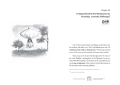
Training Oneself in Non-Recklessness through Austerity
Chapter 40
Training Oneself in Non-Recklessness by
Practicing Austerity (Dhutanga)"
Life is full of uncertainties and danger awaits those who
are reckless with their lives. The Lord Buddha once said,
本章探讨了如何通过修行苦行来培养非轻率的心态。佛陀教导说,轻率的人就像死去的人。通过苦行,人们可以学习更加小心翼翼地生活。佛陀在传播法教过程中,总共给予了84000个教导,其核心在于非轻率,这是他在入涅槃前对弟子们的最终教诲。
176
The Importance of Carefulness in Buddhism
"Bhikkhus," my duties that are of benefit and support to
you are now complete. I now wish to remind you that the
nature of all living creatures is impermanence and
degeneration. Thus, you should conti
In Buddhism, carefulness is essential for maintaining virtue and reducing the chances of misconduct. As beings with limited lifespans, it is vital to perform wholesome actions. The state of mind influ
36
Golden Age of Inner Peace
36
36
Golden Age of Inner Peace
of life. Although the late Mr. Alfred Nobel left this
world many decades ago, his great vision and his
much admired work live on to this day because of
the Nobel family
The late Alfred Nobel's vision lives on through the ongoing work of the Nobel family and the Nobel Foundation, symbolizing achievements in peace and humanity. The Dhammakaya Temple and Foundation expr
130
Systematic Training Programme for Spreading Buddhism
The Systematic Training Programme for Spreading Buddhism began in 1999-2007, with a total of 71 classes completing the Programme. There have been 8.090 monks from 5.833 temples, from across the countr
The Systematic Training Programme for Spreading Buddhism, initiated from 1999 to 2007, has successfully trained 8,090 monks from 5,833 temples across Thailand, promoting the teachings of the Buddha. T
6
The Teachings of Luang Phaw Dhammajayo
immersing himself in the study and practice of the
Buddha's pure teachings. For almost 40 years, he
has always emphasized to the thousands of those
who follow his teachings at the Dhammakaya
Temple, b
Luang Phaw Dhammajayo has dedicated nearly 40 years to promoting the Buddha's teachings, asserting that true world peace originates from inner peace. He emphasizes everyone's role in enhancing humanit
34
Understanding the Three Characteristics of Existence
When we receive fortune, prestige, recognition or happiness,
our minds will remain calm, not overwhelmed or attached.
A person who is aware of suffering and happiness has
trained the mind to be as s
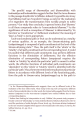
This text discusses the importance of understanding the Three Characteristics of existence: Impermanence, Suffering, and Non-self. It emphasizes that fortune, prestige, and happiness are temporary and
59
Understanding Dhamma and Nibbāna
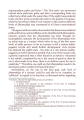
The parallel usage of dhammakāya and dhammabhūta with brahmakāya and brahmmabhūta suggests further that the term dhamma in the passage should refer to Nibbāna. Indeed, it is possible also to say that
This study delves into the concepts of dhamma and Nibbāna, positing that dhamma refers to transcendental dhamma, which serves as a transformer and defilement eradicator. It explores how the realizatio
73
Supramundane Paths and Fruits in Dhammakāya
supramundane paths and fruits. 113 The ‘four pairs’ are mentioned instead when particular paths and their corresponding fruits are collectively called under the same titles. Of the eight transcendenta
The text discusses the different transcendental levels of dhammakāya, highlighting the distinction between trainees and non-trainees. The first seven levels correspond to qualities of trainees, wherea
63
Concepts of Enlightenment in Buddhism
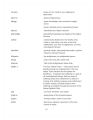
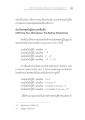
อายามูชุ cause of ruin; roads to ruin; gateway to destruction
อัย Tant giving of forgiveness
อั ญ ญา super-knowledge; ultra-conscious insight; divine
อิ ธรรม power; spiritual power; supranatural
บทเรียนสำคัญเกี่ยวกับแนวคิดในพระพุทธศาสนา ได้แก่ อายามูชุ (ภาวะสูญเสีย), อรหันต์ (บุคคลผู้มีคุณธรรม), อริยสัจ ๔ (ความจริงอันสูงสุด ๔ ประการ) ซึ่งเป็นรากฐานในการตีความศาสนา พระพุทธเจ้าทรงค้นพบความจริงเ
56
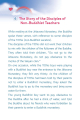
The Story of the Disciples of Non-Buddhist Teachers
6 The Story of the Disciples of Non-Buddhist Teachers
While residing at the Jetavana Monastery, the Buddha spoke these verses, with reference to some disciples of the Titthis (non-Buddhist ascetics).
In the context of the Jetavana Monastery, the Buddha narrates a tale involving disciples of non-Buddhist ascetics known as Titthis. These disciples prohibited their children from mingling with those o

58
The Story of the Disciples of Non-Buddhist Teachers
56
Clear-minded Youths - 6 The Story of the Disciples of Non-Buddhist Teachers
The Buddha then told the boy to tell the non-Buddhist boys to come and have water at the monastery.
The parents of th
This passage discusses an encounter where the Buddha encourages non-Buddhist youths to embrace his teachings. Their parents, initially distressed by their disloyalty, are persuaded to send the boys to
12
การศึกษาวิเคราะห์เชิงทฤษฎีประเภทนิยมของพระนารถในคัมภีร์มัลมะยะมะกะรัง
การศึกษาวิเคราะห์เชิงทฤษฎีประเภทนิยมของพระนารถในถ้อยคำในคัมภีร์มัลมะยะมะกะรัง (The Analytical Study of the Affirmative Catuskoti by Nâgarjuna in Mūlamadhyamakakārikā Scripture
143
ต่อไปนี้จะเป็นรายละเ
บทความนี้นำเสนอการศึกษาเชิงวิเคราะห์ของประเภทนิยมของพระนารถในคัมภีร์มัลมะยะมะกะรัง โดยเฉพาะในการสร้างประโยคคาถุตามลักษณะของประจน์ทางตรรกศาสตร์ ผ่านการพิจารณาโครงสร้างของประโยคในรูปแบบแสดงทัศนะต่าง ๆ อ
244
Understanding Buddhist Concepts: Nirvana and Absorptions
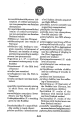
nevasāññāṇasāññāyatana (absorption of neither-perception-nor-non-perception: see formless absorptions) Nevasāññāsaññāyatanaabhūmi (realm of neither-perception- nor-non-perception: see formless Brahma
This text delves into various Buddhist concepts such as Nevasāññāṇasāññāyatana, the realm of neither-perception-nor-non-perception, Nibbāna, and other related terms. It discusses the Five Aggregates,

53
Understanding Key Concepts in Buddhism
10. Sotapanna
Also known as the stream-enterer. The sotapanna is
a partially-enlightened person, who has eradicated the
first three fetters of the mind, that prevent freedom.
Sotapannaship is the firs
This text provides insights into fundamental Buddhist concepts. It discusses the Sotapanna, which signifies a stream-enterer who has achieved partial enlightenment by overcoming initial mental fetters
3
Exploring Buddhist Teachings and Practices
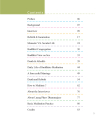
Contents
Preface
Background
Interview
06
07
09
Rebirth & Incarnation
17
Monastic V.S. Secular Life
24
Buddhist Congregation
30
Buddhist View on Sex
33
Death & Afterlife
39
Daily Life of Buddhists Medi
This book delves into various aspects of Buddhism, including the concepts of rebirth and incarnation, the contrast between monastic and secular life, and the daily practices of Buddhists. It offers in
17
Buddhist Perspectives on Birth Rituals and Rebirth
Rebirth & Incarnation
Monica
have a sexual relationship, or in Dhamma terms,
physical intercourse where the refined body is given an
opportunity to incarnate.
: Can you tell me if the Buddhists have a
In Buddhism, traditional practices do not involve specific rites for birth as the belief holds that one should not impose the Buddhist faith on newborns. Instead, the focus is on educating children to