

non-recklessness : ค้นหาหนังสือธรรมะ หน้า 2 / 14
หน้าหนังสือทั้งหมด
36
Golden Age of Inner Peace
36
36
Golden Age of Inner Peace
of life. Although the late Mr. Alfred Nobel left this
world many decades ago, his great vision and his
much admired work live on to this day because of
the Nobel family
The late Alfred Nobel's vision lives on through the ongoing work of the Nobel family and the Nobel Foundation, symbolizing achievements in peace and humanity. The Dhammakaya Temple and Foundation expr
130
Systematic Training Programme for Spreading Buddhism
The Systematic Training Programme for Spreading Buddhism began in 1999-2007, with a total of 71 classes completing the Programme. There have been 8.090 monks from 5.833 temples, from across the countr
The Systematic Training Programme for Spreading Buddhism, initiated from 1999 to 2007, has successfully trained 8,090 monks from 5,833 temples across Thailand, promoting the teachings of the Buddha. T
6
The Teachings of Luang Phaw Dhammajayo
immersing himself in the study and practice of the
Buddha's pure teachings. For almost 40 years, he
has always emphasized to the thousands of those
who follow his teachings at the Dhammakaya
Temple, b
Luang Phaw Dhammajayo has dedicated nearly 40 years to promoting the Buddha's teachings, asserting that true world peace originates from inner peace. He emphasizes everyone's role in enhancing humanit
34
Understanding the Three Characteristics of Existence
When we receive fortune, prestige, recognition or happiness,
our minds will remain calm, not overwhelmed or attached.
A person who is aware of suffering and happiness has
trained the mind to be as s
This text discusses the importance of understanding the Three Characteristics of existence: Impermanence, Suffering, and Non-self. It emphasizes that fortune, prestige, and happiness are temporary and
59
Understanding Dhamma and Nibbāna
The parallel usage of dhammakāya and dhammabhūta with brahmakāya and brahmmabhūta suggests further that the term dhamma in the passage should refer to Nibbāna. Indeed, it is possible also to say that
This study delves into the concepts of dhamma and Nibbāna, positing that dhamma refers to transcendental dhamma, which serves as a transformer and defilement eradicator. It explores how the realizatio
73
Supramundane Paths and Fruits in Dhammakāya
supramundane paths and fruits. 113 The ‘four pairs’ are mentioned instead when particular paths and their corresponding fruits are collectively called under the same titles. Of the eight transcendenta
The text discusses the different transcendental levels of dhammakāya, highlighting the distinction between trainees and non-trainees. The first seven levels correspond to qualities of trainees, wherea

68
The Virtue of Absorbing in the Velama Sutta
68
The Virtue of Absorbing
7. Velama Sutta
"If one were to feed one non - returner, that would be more fruitful than... if one were to feed 100 oncereturners.
"If one were to feed one arahant, that
In the Velama Sutta, the text highlights the profound impact of offering food to individuals with high spiritual attainment. It asserts that feeding a single non-returner yields greater merit than fee
63
Concepts of Enlightenment in Buddhism
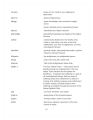
อายามูชุ cause of ruin; roads to ruin; gateway to destruction
อัย Tant giving of forgiveness
อั ญ ญา super-knowledge; ultra-conscious insight; divine
อิ ธรรม power; spiritual power; supranatural
บทเรียนสำคัญเกี่ยวกับแนวคิดในพระพุทธศาสนา ได้แก่ อายามูชุ (ภาวะสูญเสีย), อรหันต์ (บุคคลผู้มีคุณธรรม), อริยสัจ ๔ (ความจริงอันสูงสุด ๔ ประการ) ซึ่งเป็นรากฐานในการตีความศาสนา พระพุทธเจ้าทรงค้นพบความจริงเ
56
The Story of the Disciples of Non-Buddhist Teachers
6 The Story of the Disciples of Non-Buddhist Teachers
While residing at the Jetavana Monastery, the Buddha spoke these verses, with reference to some disciples of the Titthis (non-Buddhist ascetics).
In the context of the Jetavana Monastery, the Buddha narrates a tale involving disciples of non-Buddhist ascetics known as Titthis. These disciples prohibited their children from mingling with those o
58
The Story of the Disciples of Non-Buddhist Teachers
56
Clear-minded Youths - 6 The Story of the Disciples of Non-Buddhist Teachers
The Buddha then told the boy to tell the non-Buddhist boys to come and have water at the monastery.
The parents of th
This passage discusses an encounter where the Buddha encourages non-Buddhist youths to embrace his teachings. Their parents, initially distressed by their disloyalty, are persuaded to send the boys to
12
การศึกษาวิเคราะห์เชิงทฤษฎีประเภทนิยมของพระนารถในคัมภีร์มัลมะยะมะกะรัง
การศึกษาวิเคราะห์เชิงทฤษฎีประเภทนิยมของพระนารถในถ้อยคำในคัมภีร์มัลมะยะมะกะรัง (The Analytical Study of the Affirmative Catuskoti by Nâgarjuna in Mūlamadhyamakakārikā Scripture
143
ต่อไปนี้จะเป็นรายละเ
บทความนี้นำเสนอการศึกษาเชิงวิเคราะห์ของประเภทนิยมของพระนารถในคัมภีร์มัลมะยะมะกะรัง โดยเฉพาะในการสร้างประโยคคาถุตามลักษณะของประจน์ทางตรรกศาสตร์ ผ่านการพิจารณาโครงสร้างของประโยคในรูปแบบแสดงทัศนะต่าง ๆ อ
244
Understanding Buddhist Concepts: Nirvana and Absorptions
nevasāññāṇasāññāyatana (absorption of neither-perception-nor-non-perception: see formless absorptions) Nevasāññāsaññāyatanaabhūmi (realm of neither-perception- nor-non-perception: see formless Brahma
This text delves into various Buddhist concepts such as Nevasāññāṇasāññāyatana, the realm of neither-perception-nor-non-perception, Nibbāna, and other related terms. It discusses the Five Aggregates,
27
Title Not Provided
Dr. Michael Nobel's Endorsement
I have myself some experience and background in working for peace, I was born and raised in Sweden and lived most of my life in Switzerland, two countries who have not
Summary Not Provided

67
กรรมและความแตกต่างของมนุษย์
ties of the mind, consisting of lignorance, craving, and
clinging.
(ในกรณีนี้ กิเลสหมายถึงมลทินของใจ อันประกอบด้วย
อวิชชา ตัณหา อุปาทาน)
describe (V) - อธิบาย
be described - ถูกอธิบาย, หมายถึง
ignoran
ties of the mind, consisting of lignorance, craving, and clinging. (ในกรณีนี้ กิเลสหมายถึงมลทินของใจ อันประกอบด้วย อวิชชา ตัณหา อุปาทาน) describe (V) - อธิบาย be described - ถูกอธิบาย, หมายถึง ignoran
6
Creating Harmony in the Family
…cendants
321
329
Chapter 21 The Womanizing and Alcoholic Husband
199
Chapter 40 Training Oneself in Non-Recklessness by
Practicing Austerity (Dhutanga)
349
Chapter 22 The Roads That Lead to Ruin
205
Chapter 23 Why is…
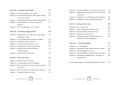
Part Three of the book focuses on creating harmony in the family and the roles of parents in ensuring a peaceful and loving environment. Topics include what parents should do when their children do no
54
Raising Smart and Virtuous Children
…he Sangha (monastic community).
4. Respect for Education.
5. Respect for Meditation.
6. Respect for Non-Recklessness.
7. Respect for Greetings.
The more parents teach their children to see the virtues
of these seven …
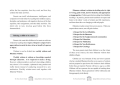
การเลี้ยงดูเด็กอย่างชาญฉลาดรวมถึงการปลูกฝังคุณธรรมและสติปัญญาผ่านการสอนการเคารพวรรณกรรมและประสบการณ์ของคนที่มีคุณธรรม โดยการใช้สี่สิ่งจำเป็นในชีวิตและความวิตกกังวลเรื่องความรู้ทางโลกและผลงานของธรรมะเด
51
Raising Children: Teaching Virtues and Discipline
… Respect for Those Who Seek Truth
4. Respect for Education
5. Respect for Meditation
6. Respect for Non-Recklessness
7. Respect for Hospitality
The more we teach our children to see the virtues of
these seven sources…
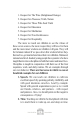
ในส่วนที่สองของการเลี้ยงดูบุตร เราจะพูดถึงคุณค่าต่างๆ ที่ควรสอนให้กับเด็ก เช่น ความเคารพต่อผู้มีปัญญา, สัจธรรม, การศึกษา และการทำสมาธิ สิ่งเหล่านี้จะช่วยสร้างความเคารพและความฉลาดภายในให้แก่เด็กๆ หากพว
6
Creating Harmony and Understanding in Family and Society
… Worthy of Our Reverence 321
Chapter 39 Blessing Our Descendants 329
Chapter 40 Training Oneself in Non-Recklessness by Practicing Austerity (Dhitangga) 349
Part Seven~ A Genuine Buddhist 357
Chapter 41 A True Buddh…
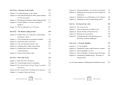
This section explores vital aspects of family dynamics, including creating harmony, handling sibling conflicts, and instilling compassion in children toward vulnerable relatives. It further delves int
54
Raising Smart and Virtuous Children
…he Sangha (monastic community).
4. Respect for Education.
5. Respect for Meditation.
6. Respect for Non-Recklessness.
7. Respect for Greetings.
The more parents teach their children to see the virtues
of these seven…
This text discusses the importance of teaching children the four requisites—respect, discipline, and endurance. It emphasizes the balance between worldly wisdom and Dhamma wisdom, highlighting how bot

11
Khun Yai's Journey to Self-Improvement
…4. For your own benefit and for the benefit of others
58. 15. It’s the present that counts
60. NON-RECKLESSNESS
62. Born alone, die alone
63. Strive to build maximum luck
64. Don’t be reckless about your a…
เรื่องราวของคุณใหญ่ที่มุ่งเน้นการพัฒนาตนเองผ่านการตริตรองและธรรมะ เน้นการรักตนเองและสร้างบุญเพื่อประโยชน์ทั้งต่อตนเองและผู้อื่น มีการกล่าวถึงความสำคัญของเวลาและการเตรียมตัวสำหรับอนาคต ข้อคิดเกี่ยวกับก