

not-self : ค้นหาหนังสือธรรมะ หน้า 2 / 131
หน้าหนังสือทั้งหมด
22
Understanding the Five Types of Mara
Suzanne Jeffrey
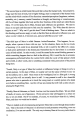
"The second type is called Kanta Mara and that is about the human body. Our present biology says that man is body, but in higher biology, man is composed of the human body and the min
In this excerpt, Suzanne Jeffrey elaborates on the concept of Mara, describing five distinct types: Kanta Mara (the body and mind functions), Gamma (action from karma), Deity (false gods), Matuman (fe
24
The Path of Self-Mortification in Buddhism
2. The Path of Self-Mortification
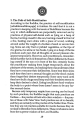
According to the Buddha, the practice of self-mortification [attakilamathānuyoga] is fruitless. He said that it is not a practice in keeping with the tenets of Buddhi
In Buddhism, the practice of self-mortification is deemed fruitless by the Buddha. He elucidates that these practices, such as lying on thorns and severe fasting, do not genuinely rid individuals of d
184
Glossary of Key Concepts in Buddhist Philosophy
Part Seven: Appendixes
Glossary
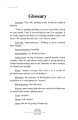
Anattata: Non-self; nothing in the world has implicit
identity
"There is nothing out there, not even our bodies, which
we can control. Thus, it is not distinctly ours.
This glossary provides definitions for key Buddhist concepts such as Anattata (non-self), Aniccata (impermanence), and Bhavana (meditation). It emphasizes the understanding that nothing possesses a pe
40
The Futility of Self-Mortification
Commentorial Metaphors: Self-mortification:
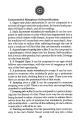
1. Sugar-cane juice and poison: It can be compared to a mixture of sugar-cane juice and poison. In the end such practices will lead to death, and all for no
This text presents a series of metaphors illustrating the perils of self-mortification. Comparing self-harm to poison, stale excrement, and dangerous leaps, it highlights the futility of such practice
144
Observing the Five Precepts: A Path to Goodness
How do you keep the Five Precepts intact? Conclusion
When I was a student, I started training myself to observe Let
The text discusses the importance of the Five Precepts in Buddhism and shares a personal journey of learning to observe them. The author recounts a practice from their student days of making daily res
144
Truth for the Family: Upholding Human Values
Part Five: Truth for the Family
that have to kill to survive. All lives, whether human
or not, are precious to us. No one should take the
life of another creature. Therefore, the first precept
reminds
เนื้อหานี้พูดถึงความสำคัญของการรักษาจริยธรรมในครอบครัว ซึ่งรวมถึงการไม่ฆ่าหรือทำร้ายชีวิตอื่น ๆ การไม่ขโมยและการละเมิดสิทธิของผู้อื่น รวมถึงการไม่มั่วสุมเพื่อรักษาความสุขในครอบครัว สนับสนุนให้เราเก็บร
63
Understanding Paccekabuddhas in Buddhist Philosophy
V. Reference 2: Dhammakāya and Paccekabuddhas
A Paccekabuddha is counted as one of the two types of Buddhas. According to Buddhist philosophy, a Paccekabuddha is a person who is of the highest wisdom
This text discusses the concept of Paccekabuddhas, individuals of high wisdom who achieve self-enlightenment but lack the ability to teach. It explores scholarly arguments about the pre-Buddhist origi
92
Understanding the Importance of the Fifth and Eight Precepts
- Loss of consciousness and sanity
Those who have made a serious breach of this precept will end up in hell or other unhappy realm. As humans, they will be born with mental illnesses, be retarded or
The text discusses the severe consequences of violating the Fifth Precept in Buddhism, leading to unhappiness and potential mental disorders in future lives. It emphasizes the benefits of adhering to
39
Untitled
Universal Goodness : 37
If one is to look at one’s self critically, chances are that one will see many flaws. One may lack discipline. One may be lazy. One may still be lacking in terms of cleanlines
No summary available as no text was provided.
24
Dhamma for Laypersons: Cultivating Good Habits
A person who has the Dhamma for Laypersons
(Gharavas-dhamma) must display four regular habits:
1. Habit of Responsibility - Whatever the task at hand,
he must do it to the best of his ability, in term
บุคคลที่มีธรรมสำหรับอุบาสกอุบาสิกาต้องแสดงถึงนิสัยประจำสี่ประการ ได้แก่ นิสัยความรับผิดชอบ, การฝึกฝนและพัฒนาตนเอง, ความอดทน, และการเสียสละและการให้ นิสัยเหล่านี้ช่วยทำให้กลายเป็นผู้นำครอบครัวที่ดี การ
15
The Path of Self-Training and Endurance
Those who have full knowledge, ability and goodness must follow only this path in order to train themselves to keep up with the world and its people, and not surrender to defilements.
Surely, if you
This text discusses the necessity of self-training and mind control in overcoming bad habits and the challenges of life. It emphasizes the importance of endurance in dealing with natural hardships, ph
23
Understanding Self-Dependence in Marriage
hope that you will find someone else to help you with the many things in life.
There are some who get married because they expect that their spouse will treat them favorably in different ways; and at
In a marriage, expectations can lead to disappointment if not grounded in self-dependence. Many marry for beauty or behavior, but these qualities fade. True relationships rely on self-sufficiency and
34
Understanding the Three Characteristics of Existence
When we receive fortune, prestige, recognition or happiness,
our minds will remain calm, not overwhelmed or attached.
A person who is aware of suffering and happiness has
trained the mind to be as s
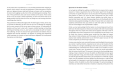
This text discusses the importance of understanding the Three Characteristics of existence: Impermanence, Suffering, and Non-self. It emphasizes that fortune, prestige, and happiness are temporary and
15
Understanding the Eternal Punishment of Life and the Role of Educators
In this prison there is punishment. It is not normal punishment like whipping or torture, which comes to an end; the punishment in this prison goes on forever and ever. Ageing, sickness, death and bir
This content discusses the perpetual punishment of existence, highlighting how suffering is inherent in our lives through age, sickness, and basic needs. It emphasizes the necessity for mindful teachi
128
Mappings with a Dharma Master
Mappings with a Dharma Master
we first start with our own individual self and then work outward in all directions.
“The six directions start with the smallest unit, ourselves. We are in the center o
The text discusses the importance of individual self-awareness and ethical behavior in shaping relationships and society. It emphasizes that one must start with self-improvement through meditation and
143
Understanding the Dhamma Body and the Noble Path
Dhamma Body — not with the human eye or the naked eye.
All the knowledge that brought him to Buddhahood came
by the ‘knowing’ of the Dhamma Body, not by rationale or
reasoning with the logical (hum
The Dhamma Body can only be perceived beyond the human eye, allowing the Buddha to grasp deep truths about existence. His compassion drove him to teach the Noble Path for the liberation of others, adv
142
Self-Responsibility and Social Development in Buddhism
Suzanne Jeffrey
And that’s where we close the circle. We do it for ourselves because we have to develop ourselves before we can develop anything else … but everything about us affects all of the peop
The text discusses the necessity of self-development before aiding others, emphasizing self-responsibility post-birth. It highlights the crisis of independence and the importance of moral boundaries i
144
Keeping the Five Precepts Intact
How do you keep the Five Precepts intact?
When I was a student, I started training myself to observe
the Five Precepts. This is how I did it.
Before I was ordained, I wore a Buddha image around
my nec
This text describes a personal journey of observing the Five Precepts, a set of ethical guidelines in Buddhism. The author shares their experience of using a Buddha image for daily chanting and resolu
146
Truth for the Family: The Five Precepts
Part Five: Truth for the Family
of infringing upon all the other precepts. Hence, the
Fifth Precept reminds us not to consume intoxicants
to maintain our true nature.
Thus the Five Precepts are:
1. Do
The Five Precepts offer a framework for living an ethical life that enhances our humanity. They include refraining from killing, stealing, adultery, lying, and consuming intoxicants. Adhering to these
21
No content provided
Universal Goodness 21
• Being properly dressed for each occasion such as attending a royal ceremony, attending a meeting, attending a funeral service, attending a wedding, attending a temple, etc.
P
No summary available as content is missing.