

not-self : ค้นหาหนังสือธรรมะ หน้า 1 / 145
หน้าหนังสือทั้งหมด

120
การสนทนาเกี่ยวกับอนัตตา
สนทนาธรรมยามว่าง ดวงธรรม
NOT-SELF - THE
DISTINCTIVE BUDDHIST
TEACHING
Tom : When talking about the Three Common
Characteristics of ex…
สนทนาธรรมยามว่าง ดวงธรรม NOT-SELF - THE DISTINCTIVE BUDDHIST TEACHING Tom : When talking about the Three Common Characteristics of ex…
60
4 Self เพื่อการพัฒนาตนเอง
๗๐
ทันโลกทันธรรม
เรื่อง : พระมหาสมชาย ฐานวุฑโฒ (M.D., Ph.D.) จากรายการทันโลกทันธรรม ออกอากาศทางช่อง DMC
4 Self
เพื่อการพัฒนา
ตนเอง
อยู่ให
วันนี้เราจะมาศึกษาเรื่อง 4 Self เพื่อการ
พัฒนาตนเอง ปัจจุบันมี
เรื่อง : พระมหาสมชาย ฐานวุฑโฒ (M.D., Ph.D.) จากรายการทันโลกทันธรรม ออกอากาศทางช่อง DMC 4 Self เพื่อการพัฒนา ตนเอง อยู่ให วันนี้เราจะมาศึกษาเรื่อง 4 Self เพื่อการ พัฒนาตนเอง ปัจจุบันมีหลักในการพัฒนาตัว

121
องค์ประกอบของบุคคลตามหลักพระพุทธศาสนา
…are
impermanent, whatever is impermanent is suffering,
and whatever is impermanent and suffering is
not-self?
Tom : Yes, I have a much better understanding of the
Three common Characteristics of existence.
I …
because in the Buddhist analysis of personal experience, a human being is composed of five aggregates : form, sensation, perceptions, mental formations, and consciousness. From this analysis the self
138
The Nature of Human Beings
What is the Nature of Human Beings?
The nature of human beings consists of five characteristics.
1. By nature, humans will not kill.
A human who takes life has deviated from the nature of humankind.
The text discusses the fundamental nature of human beings, emphasizing five key characteristics that define humanity. The first precept highlights the importance of not killing, suggesting that violen

138
ธรรมชาติของมนุษย์
What is the Nature of Human Beings?
The nature of human beings consists of five
characteristics.
1. By nature, humans will not kill.
A human who takes life has deviated from the nature of
humankind. H
What is the Nature of Human Beings? The nature of human beings consists of five characteristics. 1. By nature, humans will not kill. A human who takes life has deviated from the nature of humankind. H
8
Understanding Artificial Intelligence
8 Universal Goodness
• Cleanliness: One is not self-indulgent, not quick to anger but is always in a good mood. Cleanliness prevents the presence of pests. There is no need for pesticides. There is n
This text delves into the concepts of artificial intelligence, outlining its various applications in today's world, as well as its potential future developments. It covers the basics of machine learni

14
การสร้างพื้นฐานที่แข็งแกร่งในครอบครัว
involvement with this distrustful person. Good people will not
want to befriend dishonest people because they do not want to
gain a bad reputation through association.
So if a person in a family does
involvement with this distrustful person. Good people will not want to befriend dishonest people because they do not want to gain a bad reputation through association. So if a person in a family does
97
ไม่มีข้อมูล
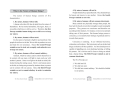
Universal Goodness : 95
The Five Aspects of Universal Goodness (UG-5) form the Foundations of the Five Precepts
Cleanliness: One is not self-indulgent, not quick to anger but always in a good mood.
โปรดให้รายละเอียดเพิ่มเติมเพื่อให้สามารถให้คำแนะนำในส่วนนี้ได้
138
The Nature of Human Beings and the Five Precepts
What is the Nature of Human Beings?
The nature of human beings consists of five
characteristics.
1. By nature, humans will not kill.
A human who takes life has deviated from the nature of
humankind. H
The nature of human beings encompasses five fundamental characteristics that differentiate us from animals. First, humans, by nature, refrain from killing, which is vital to our humane identity. Secon
15
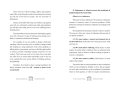
Self-Training and Endurance in Family Life
Those who have full knowledge, ability and goodness
must follow only this path in order to train themselves to keep
up with the world and its people, and not surrender to
defilements.
Surely, if you f
This text emphasizes the significance of self-training and self-control in leading a fulfilling life. By acknowledging the need to change negative habits, individuals can foster a healthier family env
14
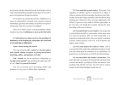
Building a Trustworthy Family
involvement with this distrustful person. Good people will not
want to befriend dishonest people because they do not want to
gain a bad reputation through association.
So if a person in a family does
The text emphasizes that honesty and self-control are essential for a trustworthy family environment. Good people avoid associations with dishonesty. A family lacking truthfulness cultivates suspicion
14
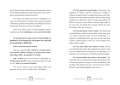
Building Strong Family Foundations Through Truthfulness and Self-Control
involvement with this distrustful person. Good people will not want to befriend dishonest people because they do not want to gain a bad reputation through association.
So if a person in a family does
This text discusses the importance of truthfulness (sacca) and self-control (dama) in family dynamics and personal growth. It emphasizes that individuals with a lack of truthfulness can create distrus
24
Dhamma for Laypersons and the Four Levels of Beauty
A person who has the Dhamma for Laypersons
(Gharāvās-dhamma) must display four regular habits:
1. Habit of Responsibility – Whatever the task at hand, he must do it to the best of his ability, in t
A person who follows the Dhamma for Laypersons exhibits four habits: responsibility, self-training, endurance, and sacrifice. These traits ensure self-reliance and leadership within families. In marri

24
คุณสมบัติของคนที่มีธรรมะสำหรับฆราวาส
A person who has the Dhamma for Laypersons
(Gharāvās-dhamma) must display four regular habits:
1. Habit of Responsibility - Whatever the task at hand,
he must do it to the best of his ability, in term
A person who has the Dhamma for Laypersons (Gharāvās-dhamma) must display four regular habits: 1. Habit of Responsibility - Whatever the task at hand, he must do it to the best of his ability, in term
62
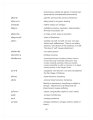
Understanding Buddhist Concepts: Key Terms and Definitions
…านจิต to make a wish; make a resolution
อธิษฐานบารมี Virtue of Resolution
อนัตตา (anatta) non-self; not-self; no-soul; non-ego; without self; selflessness. There is no lasting essence, only illusion of the ex…
This text presents key Buddhist concepts such as 'อนัตตา' (non-self), emphasizing that there is no lasting essence, only the illusion of self that causes attachment. It discusses 'อนิจจตา' (impermanen

144
การรักษาศีลห้าให้มั่นคง
How do you keep the Five Precepts intact?
When I was a student, I started training myself to observe
the Five Precepts. This is how I did it.
Before I was ordained, I wore a Buddha image around
my nec
How do you keep the Five Precepts intact? When I was a student, I started training myself to observe the Five Precepts. This is how I did it. Before I was ordained, I wore a Buddha image around my nec
145
Understanding the Eightfold Path: Right Mindfulness and Right Concentration
…e aggregate of corporeality [rūpakhanda] is subject to the Three Signs (impermanence, suffering and not-self), the aggregate of feeling [vedanākhanda] is subject to suffering, the aggregate of consciousness i…
…tanding the aggregates of existence as they relate to the Three Signs: impermanence, suffering, and not-self. Right Intention is presented as a guiding force that shapes conduct, with Right View monitoring th…
141
Understanding Impermanence, Suffering, and Not-Self
…ring is something that it is hard to tolerate — creating the feelings such as pain and suffering.
Not-Self [anattā]: The changeability of the Five Aggregates makes them of the nature of suffering. When we t…
…t delves into the fundamental Buddhist concepts of impermanence (aniccān), suffering (dukkham), and not-self (anattā) as expressed through the Five Aggregates of the Human Body. It highlights how these aggreg…

38
Five Responsibilities of a Husband to His Wife
1. Five Responsibilities of a Husband to His Wife
1.1 Appreciation. The husband should openly respect
her as his lawful wedded wife, not furtively keeping her like a
mistress. If his wife does somethi
1. Five Responsibilities of a Husband to His Wife 1.1 Appreciation. The husband should openly respect her as his lawful wedded wife, not furtively keeping her like a mistress. If his wife does somethi

85
What Should Parents Do When Their Children Do Not Get Along?
Being immature and the youngest, I would sometimes
go off on my own and not help out.
Why not?
In the mornings, I would shoot at birds and go fishing
with my friends. In the afternoon, I would panic w
Being immature and the youngest, I would sometimes go off on my own and not help out. Why not? In the mornings, I would shoot at birds and go fishing with my friends. In the afternoon, I would panic w