

not-self : ค้นหาหนังสือธรรมะ
หน้าหนังสือทั้งหมด

60
4 Self เพื่อการพัฒนาตนเอง
๗๐
ทันโลกทันธรรม
เรื่อง : พระมหาสมชาย ฐานวุฑโฒ (M.D., Ph.D.) จากรายการทันโลกทันธรรม ออกอากาศทางช่อง DMC
4 Self
เพื่อการพัฒนา
ตนเอง
อยู่ให
วันนี้เราจะมาศึกษาเรื่อง 4 Self เพื่อการ
พัฒนาตนเอง ปัจจุบันมี
เรื่อง : พระมหาสมชาย ฐานวุฑโฒ (M.D., Ph.D.) จากรายการทันโลกทันธรรม ออกอากาศทางช่อง DMC 4 Self เพื่อการพัฒนา ตนเอง อยู่ให วันนี้เราจะมาศึกษาเรื่อง 4 Self เพื่อการ พัฒนาตนเอง ปัจจุบันมีหลักในการพัฒนาตัว
138
The Nature of Human Beings
What is the Nature of Human Beings?
The nature of human beings consists of five characteristics.
1. By nature, humans will not kill.
A human who takes life has deviated from the nature of humankind.
The text discusses the fundamental nature of human beings, emphasizing five key characteristics that define humanity. The first precept highlights the importance of not killing, suggesting that violen
8
Understanding Artificial Intelligence
8 Universal Goodness
• Cleanliness: One is not self-indulgent, not quick to anger but is always in a good mood. Cleanliness prevents the presence of pests. There is no need for pesticides. There is n
This text delves into the concepts of artificial intelligence, outlining its various applications in today's world, as well as its potential future developments. It covers the basics of machine learni
97
ไม่มีข้อมูล
Universal Goodness : 95
The Five Aspects of Universal Goodness (UG-5) form the Foundations of the Five Precepts
Cleanliness: One is not self-indulgent, not quick to anger but always in a good mood.
โปรดให้รายละเอียดเพิ่มเติมเพื่อให้สามารถให้คำแนะนำในส่วนนี้ได้
138
The Nature of Human Beings and the Five Precepts
What is the Nature of Human Beings?
The nature of human beings consists of five
characteristics.
1. By nature, humans will not kill.
A human who takes life has deviated from the nature of
humankind. H
The nature of human beings encompasses five fundamental characteristics that differentiate us from animals. First, humans, by nature, refrain from killing, which is vital to our humane identity. Secon
15
Self-Training and Endurance in Family Life
Those who have full knowledge, ability and goodness
must follow only this path in order to train themselves to keep
up with the world and its people, and not surrender to
defilements.
Surely, if you f
This text emphasizes the significance of self-training and self-control in leading a fulfilling life. By acknowledging the need to change negative habits, individuals can foster a healthier family env
14
Building a Trustworthy Family
involvement with this distrustful person. Good people will not
want to befriend dishonest people because they do not want to
gain a bad reputation through association.
So if a person in a family does
The text emphasizes that honesty and self-control are essential for a trustworthy family environment. Good people avoid associations with dishonesty. A family lacking truthfulness cultivates suspicion
14
Building Strong Family Foundations Through Truthfulness and Self-Control
involvement with this distrustful person. Good people will not want to befriend dishonest people because they do not want to gain a bad reputation through association.
So if a person in a family does
This text discusses the importance of truthfulness (sacca) and self-control (dama) in family dynamics and personal growth. It emphasizes that individuals with a lack of truthfulness can create distrus
24
Dhamma for Laypersons and the Four Levels of Beauty
A person who has the Dhamma for Laypersons
(Gharāvās-dhamma) must display four regular habits:
1. Habit of Responsibility – Whatever the task at hand, he must do it to the best of his ability, in t
A person who follows the Dhamma for Laypersons exhibits four habits: responsibility, self-training, endurance, and sacrifice. These traits ensure self-reliance and leadership within families. In marri
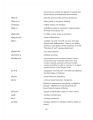
62
Understanding Buddhist Concepts: Key Terms and Definitions
…านจิต to make a wish; make a resolution
อธิษฐานบารมี Virtue of Resolution
อนัตตา (anatta) non-self; not-self; no-soul; non-ego; without self; selflessness. There is no lasting essence, only illusion of the ex…
This text presents key Buddhist concepts such as 'อนัตตา' (non-self), emphasizing that there is no lasting essence, only the illusion of self that causes attachment. It discusses 'อนิจจตา' (impermanen
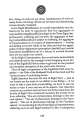
145
Understanding the Eightfold Path: Right Mindfulness and Right Concentration
…e aggregate of corporeality [rūpakhanda] is subject to the Three Signs (impermanence, suffering and not-self), the aggregate of feeling [vedanākhanda] is subject to suffering, the aggregate of consciousness i…
…tanding the aggregates of existence as they relate to the Three Signs: impermanence, suffering, and not-self. Right Intention is presented as a guiding force that shapes conduct, with Right View monitoring th…
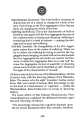
141
Understanding Impermanence, Suffering, and Not-Self
…ring is something that it is hard to tolerate — creating the feelings such as pain and suffering.
Not-Self [anattā]: The changeability of the Five Aggregates makes them of the nature of suffering. When we t…
…t delves into the fundamental Buddhist concepts of impermanence (aniccān), suffering (dukkham), and not-self (anattā) as expressed through the Five Aggregates of the Human Body. It highlights how these aggreg…
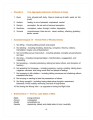
81
Understanding the Five Aggregates, Tenfold Path of Wholesomeness, and Four Lofty States of Mind
Khandha 5 Five Aggregates (elements, attributes of being)
1. Rupa form, physical self, body. Rupa is made up of earth, water, air, fire (heat)
2. Vedana feeling, is one of pleasant, unpleasant, ne
This text delves into three significant aspects of Buddhist philosophy: the Five Aggregates which consist of Rupa (form), Vedana (feeling), Samjna (perception), Sankhara (conception), and Vinnana (con
34
Understanding the Three Characteristics of Existence
When we receive fortune, prestige, recognition or happiness,
our minds will remain calm, not overwhelmed or attached.
A person who is aware of suffering and happiness has
trained the mind to be as sta
This text elaborates on the Three Characteristics: impermanence, suffering, and non-self, as fundamental truths of existence in Buddhism. It highlights how fortune, prestige, and happiness are tempora
25
The Four Problems in Marriage
Part One: Family Life
These are: Truthfulness (Sacca), Self-Control (Dama),
Endurance (Khanti), and Sacrifice (Caga). When lacking in
any of these principles, conflict or discord will arise in any
hum
Part One: Family Life highlights four essential principles for maintaining healthy relationships: Truthfulness (Sacca), Self-Control (Dama), Endurance (Khanti), and Sacrifice (Caga). Conflict within f
39
Understanding Self-Mortification in Buddhism
It is for this reason that the Lord Buddha should want to start his sermon by instructing the ‘group of five’ that indulgence of the senses is unsuitable, base, ignoble, without benefit, unsuitable fo
In this text, Lord Buddha teaches that indulgence of the senses is unsuitable for a Buddhist monk and should be avoided. The practice of self-mortification, common among non-Buddhist ascetics, include
237
Exploring Concepts of Buddhist Mythology
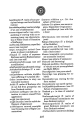
Asaññisatta (P. realm of non-per- ayatana nibbāṇa q.v. (lit. the recipient beings: see form Brahmā sphere of Nirvana realms) āsavakkhayañāṇa (see knowledge of an end of defilements) ayatana (lit. sphe
This text delves into intricate Buddhist concepts such as Asaññisatta, the realm of non-perception, and its relation to Nibbāṇa, highlighting essential terms like bhāvanā (development), and defilement
30
Untitled
28 : Universal Goodness
Without bearing in mind the true purposes of one's clothing,
one tends to buy clothing articles on impulse and without thought.
One tends to follow the latest fashion trends i
No summary can be generated due to lack of content.

141
Understanding the Five Precepts
Do you know what the Five Precepts are?
1. One shall not kill.
2. One shall not steal.
3. One shall not commit adultery.
4. One shall not lie.
5. One shall not consume intoxicants.
I will explain to y
In this explanation of the Five Precepts, the origin of the first precept, 'one shall not kill', is explored through a dialogue between a senior monk and children. The importance of self-love and the
23
Understanding Marriage Expectations
hope that you will find someone else to help you with the
many things in life.
There are some who get married because they expect
that their spouse will treat them favorably in different ways;
and at
This text discusses the misconceptions surrounding marriage and the impact of unrealistic expectations on relationships. Many enter marriage hoping their spouses will meet their needs continuously, wh