

The Path of Self-Mortification in Buddhism : หน้า 24/263
The Buddha’s First Teaching : หน้า 24/263 Exploring the Buddha's perspective on self-mortification and its futility in achieving true liberation.
3 ครั้ง
สรุปเนื้อหา
In Buddhism, the practice of self-mortification is deemed fruitless by the Buddha. He elucidates that these practices, such as lying on thorns and severe fasting, do not genuinely rid individuals of defilements but instead only provide temporary relief from cravings. These methods mislead practitioners into believing they have overcome their sensual desires, which is a misconception stemming from a False View. Ultimately, such practices do not align with Buddhist teachings and fail to lead to liberation from defilements, according to the supreme wisdom of the Lord Buddha. For more insights, visit dmc.tv.
หัวข้อประเด็น
-Buddha's teachings on self-mortification
-temporary vs. true liberation
-misconceptions in spiritual practices
-the futility of extreme self-denial
-the path of the Noble Ones
ข้อความต้นฉบับในหน้า
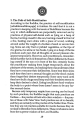
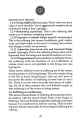
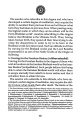
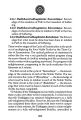
2. The Path of Self-Mortification
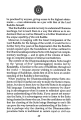
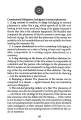
According to the Buddha, the practice of self-mortification [attakilamathānuyoga] is fruitless. He said that it is not a practice in keeping with the tenets of Buddhism because the way in which defilements are purportedly removed are by practices of physical self-denial such as lying on a heap of thorns, burning oneself in the sun, burning oneself in front of a fire, beating one’s shins with a piece of wood, walking around under the weight of a burden of sand or severe fasting. Some eat only fruit or pickled vegetables, or the tips of rice grains, rice alone or rice husks. Lying on a heap of thorns produces such pain that all thoughts of sexual pleasure disappear temporarily. However, such practitioners, misunderstand that they have rid themselves of their defilements. Roasting oneself in the sun or in front of the fire, certainly burns the practitioner making them forget temporarily about the pleasures of the senses, and making them misunderstand that they have overcome their defilements. Some beat their shins each time they have a sensual thought and the shock makes them forget their desires temporarily. Some carry sand until they have built a huge sand heap and their tiredness seems to keep their desires in check. Eating insufficient food weakens the body to a point where there doesn’t seem to be any further sensual desire.
Because only temporary respite from craving can be found by such practices, the Buddha taught that such practices are fruitless—the practice of fools who claim wisdom—the practice of those with False View. Such practices are of no benefit, and they are certainly not the practice of the Noble Ones. Therefore they are not practices suitable for monks because they do not lead to liberation from defilements. These conclusions came from the supreme wisdom of the Lord Buddha.
19
หน้าหนังสือทั้งหมด
1
2
3
4
5
6
7
8
9
10
11
12
13
14
15
16
17
18
19
20
21
22
23
24
25
26
27
28
29

30
31
32
33
34
35
36
37
38
39
40
41
42
43
44
45
46
47
48
49
50
51
52
53
54
55
56
57
58
59
60
61
62
63
64
65
66
67
68
69
70
71
72
73
74
75
76
77
78
79
80
81
82
83
84
85
86
87
88
89
90
91
92
93
94
95
96
97
98
99
100
101
102
103
104
105
106
107
108
109
110
111
112
113
114
115
116
117
118
119
120
121
122
123
124
125
126
127
128
129
130
131
132
133
134
135
136
137
138
139
140
141
142
143
144
145
146
147

148
149
150
151
152
153
154
155
156
157
158
159
160
161
162
163
164
165
166
167
168
169
170
171
172
173
174
175
176
177
178
179
180
181
182
183
184
185
186
187
188
189
190
191
192
193
194
195
196
197
198
199
200
201
202
203
204
205
206
207
208
209
210
211
212
213
214
215
216
217
218
219
220
221
222
223
224
225
226
227
228
229
230
231
232
233
234
235
236
237
238
239
240
241
242
243
244
245
246
247
248
249
250
251
252
253
254
255
256
257
258
259
260
261
262
263
หนังสือที่เกี่ยวข้อง
Load More