

nāṇa : ค้นหาหนังสือธรรมะ
หน้าหนังสือทั้งหมด
140
Understanding the Dhammakāya and Its Mind
…a attained in sequence. A ‘mind’ which can be expanded in this way is known by the special name of ‘nāṇa’ or knowing.
The mind's capacity to expand as ‘nāṇa’ in this way allows the meditator clearly to …
The Dhammakāya embodies a body that resembles human perception while its mind can expand significantly, allowing the meditator to observe the eight inner bodies. This process unveils the Three Signs o
26
The Teachings of Venerable Sariputta
26
At that moment Venerable Sariputta showed himself at the door of the former executioner's house.
When the man saw the Venerable, he paid obeisance to him. And escorting him into his house, he p
In this passage, Venerable Sariputta visits an executioner's house, where the executioner, Tambadathika, struggles with guilt over his past actions. Sariputta tactfully prompts him to reflect on his r
28
The Rebirth of Tambadathika: A Lesson in Dhamma
28
OCTOBER
Kasiha Readam
After the discourse, Tambadathika accompanied Venerable Sariputta for some distance and then returned home. On his way home a cow (actually a demon in the guise of a cow) g
After the death of Tambadathika, who was gored by a demon disguised as a cow, the Buddha reveals his rebirth in the Tusita deva world. Despite a life of evil deeds, Tambadathika attained *anūṇa maha*
141
Understanding Impermanence, Suffering, and Not-Self
Impermanence [aniccān]: This is the built-in character of objects that are of a nature to change the whole of the time. Such things as the Five Aggregates of the Human Body are changing the whole of t
This text delves into the fundamental Buddhist concepts of impermanence (aniccān), suffering (dukkham), and not-self (anattā) as expressed through the Five Aggregates of the Human Body. It highlights
243
Buddhist Terminology and Concepts
Speech at the transcendental level) see sense consciousness) manussasampatti (see worldly wealth) Mara q.v. (P. devil, demon) maggañāṇa (see knowledge of the path out of defilements) maraṇa (see dying
This text delves into essential Buddhist terms and their meanings. It covers concepts such as Mara (the demon), Mettā (loving-kindness), and the significance of terms like 'maraṇa' (dying) and 'mutti'

112
การสื่อสารจากต่างประเทศ
าก
หมาย
จาก
ผู้อ่าน
พุทธสมาคมแห่ง
ออสเตรเลีย
๑๑ สิงหาคม ๒๕๓๑
เรียน กองบรรณาธิการ วารสารกัลยาณมิตร
ก่อนอื่นขออภัยด้วยที่ภาษาไทยค่อนข้าง
จะบกพร่อง แต่ขอแจ้งมาว่า ไม่ได้รับวารสาร
มาตั้งแต่เดือนมิถุนายน ท
าก หมาย จาก ผู้อ่าน พุทธสมาคมแห่ง ออสเตรเลีย ๑๑ สิงหาคม ๒๕๓๑ เรียน กองบรรณาธิการ วารสารกัลยาณมิตร ก่อนอื่นขออภัยด้วยที่ภาษาไทยค่อนข้าง จะบกพร่อง แต่ขอแจ้งมาว่า ไม่ได้รับวารสาร มาตั้งแต่เดือนมิถุนายน ท

46
การสร้างบุญเพื่อชีวิตที่ดี
“เราต้องสร้างบุญ สร้างบุญของเราให้มากๆ สร้างบุญให้เป็นภูเขา
ใครเขาจะยังไง เราก็สร้างบุญของเราไป สร้างความดีของเราไป
คนอื่นเขาไม่เห็นก็ไม่เป็นไร คนที่สร้างความดี ใครๆ เขาก็อยากคบหา
คำสอนของคุณยายอาจารย
เนื้อหาพูดถึงความสำคัญของการสร้างบุญและความดีในชีวิตตามคำสอนของคุณยายอาจารย์มหารัตนอุบาสิกาจันทร์ ขนนกยูง ผู้สร้างวัดพระธรรมกาย มีการเน้นย้ำถึงการทำความดีโดยไม่ต้องสนใจความคิดเห็นของผู้อื่น และเสนอให้
74
Understanding Dhammakāya and Enlightenment
the function of each particular transcendent dhamma.116 The totality of transcendental qualities constituting each transcendental state, which is identified earlier with dhammakāya, denotes a degree o
This text analyses the concept of dhammakāya, highlighting its connection to enlightenment and the associated happiness. It emphasizes the blameless nature of dhammakāya and notes Gotami's insights in
76
Understanding the Terms Kevala and Dhammakāya in Buddhist Texts
Generally, the term ‘kevala’ is translated either as ‘only’ or ‘entirely.’ It is observed that, whenever the term appears together with another word that conveys the meaning of ‘emanating,’ ‘illuminat
This text explores the interpretation of key Buddhist terms such as 'kevala', which denotes 'only' or 'entirely', particularly in contexts associated with illumination. The term 'dhammakāya', often li
102
Wisdom and the Dhammakāya in Buddhist Teachings
Some of the qualities or forms of wisdom listed in the text are exclusive to Buddhas such as omniscience (sabbaññutāna), intrepdity (vesārajjanāna), and the ten supreme intellectual powers of a Buddha
The text highlights unique qualities of wisdom exclusive to Buddhas, including omniscience and the ten intellectual powers. It discusses the dhammakāya as the embodiment of a Buddha's inner wisdom, di

115
Understanding Dhamma Through Meditation
[cakkhu], knowing [ñāṇa], wisdom [paññā] and knowledge [vijjā]. The meditator will see the nature of the Dhamma (inner mental phenomena). According to the Lord Buddha’s advice to Vakkali “he who sees
This text discusses the concept of Dhamma and how meditation aids in understanding it. It illustrates the teachings of the Buddha, emphasizing that one who truly sees Dhamma sees the Buddha, and highl
6
การวิเคราะห์ศิลาจารึกทางพระพุทธศาสนาในอินเดีย
การวิเคราะห์
1. การวิเคราะห์จากกลุ่มหลักฐานทางศาสนาจารึก
ในจำนวนศิลาจารึกทางพระพุทธศาสนาทั่วประเทศอินเดียและตอนบนของ
ประเทศปัจจสถาที่คั่นประกอบทั้งหมด 4,000 กว่าชิ้น ผู้ซึ่งได้รับการคัดเลือกศิลาจารึก
การศึกษาเกี่ยวกับศิลาจารึกทางพระพุทธศาสนาในอินเดีย มีจำนวนมากกว่า 4,000 ชิ้น โดยเฉพาะศิลาจารึกจากคูชันที่คัดเลือกมา 100 ชิ้น ซึ่ง 9 ชิ้นมีชื่อจารึกปีอธิปกที่สามารถวิเคราะห์ได้ ศิลาจารึก Rabatak เป็นหน
12
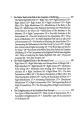
The Noble Eightfold Path: Key Concepts and Insights
7 The Noble Truth of the Path to the Cessation of Suffering .................... 117
The Noble Eightfold Path 117 • Right View 118 • Right Intention 118 • Right Speech 118 • Right Action 118 • Right L
The Noble Eightfold Path is a fundamental Teaching of Buddhism aimed at overcoming suffering. It consists of eight essential practices: Right View, Right Intention, Right Speech, Right Action, Right L
112
Understanding the Dhamma Body and Overcoming Mental Defilements
to enslave the mind and how we can overcome them. This is a major difference from the naked (physical) eye to which the defilements are invisible. The limits of our human senses are to know the manife
The passage discusses the limitations of human senses in perceiving mental defilements such as greed, hatred, and delusion. It highlights the importance of the Dhamma Body in providing insight into th
142
The Path to Enlightenment: Understanding Dhammakāya
… such cessation. All this is seen by the eye of the
Dhammakāya. All this is known with the knowing
[nāṇa] of the Dhammakāya."
If we were to conclude the process of Right Practice by which
the bodhisatva w…
This text discusses the distinction between knowledge gained through cognition and that which arises from true wisdom based on the Dhammakāya. It details the bodhisatva's rigorous meditation practice
215
The Tathāgata and the Cycle of Enlightenment
Yāva kivāñca me bhikkhave, imesu "O! Monks! If the Tathāgata had not fully com-
catusu ariyassaccevaṁ tiparivattaṁ completed these three cycles with their twelve com-
dvaḍasākāraṁ yathābhuṭṭaṁ nān
In this text, the Buddha addresses monks, emphasizing that he has fully completed the three cycles of truth, which affirms his status as a fully self-enlightened Buddha. He claims that this enlightenm

8
สารจากนายพัลลภ ไทยอารี
AOK
Headquarters
THE WORLD FELLOWSHIP OF BUDDHIST YOUTH (WFBY)
องค์การยุวพุทธศาสนิกสัมพันธ์แห่งโลก (ยพสล)
33 Sukhumvit Road, Nana, Bangkok 10110, Thailand. Tel. 2511188-90, 2511683
Cable : WORLBUDIST
Cable : WORLBUDIST BANGKOK สารจาก นายพัลลภ ไทยอารี ประธานองค์การยุวพุทธศาสนิกสัมพันธ์แห่งโลก เนื่องในวาระดิถีขึ้นปีใหม่ พุทธศักราช ๒๕๒๒ ท่านพุทธศาสนิกชนทั้งหลาย เนื่องในวารดิถีขึ้นปีใหม่พุทธศักราช ๒๕๓