

Understanding Impermanence, Suffering, and Not-Self : หน้า 141/263
The Buddha’s First Teaching : หน้า 141/263 Explore the concepts of impermanence, suffering, and not-self through the lens of the Five Aggregates and Dhammakāya knowledge.
0 ครั้ง
สรุปเนื้อหา
This text delves into the fundamental Buddhist concepts of impermanence (aniccān), suffering (dukkham), and not-self (anattā) as expressed through the Five Aggregates of the Human Body. It highlights how these aggregates undergo constant change, create inherent suffering, and lack a true self. The understanding of these principles is accessible only through the eye of the Dhammakāya, which transcends ordinary consciousness and cognition. The distinction between cognition and true knowing as explained by the Great Abbot, Phra-monkholtepmuni, emphasizes the importance of wisdom beyond sensory perception. For deeper insights, visit dmc.tv.
หัวข้อประเด็น
-Impermanence (aniccān)
-Suffering (dukkham)
-Not-Self (anattā)
-Five Aggregates
-Dhammakāya
-Cognition vs. Knowing
ข้อความต้นฉบับในหน้า
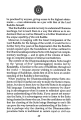
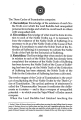
Impermanence [aniccān]: This is the built-in character of objects that are of a nature to change the whole of the time. Such things as the Five Aggregates of the Human Body are changing the whole of the time.
Suffering [dukkham]: This is the characteristic of built-in hardship seen again with the Five Aggregates because of the constant stress of arising and decaying. Suffering is something that it is hard to tolerate — creating the feelings such as pain and suffering.
Not-Self [anattā]: The changeability of the Five Aggregates makes them of the nature of suffering. When we try to relieve the suffering by trying to prevent the Aggregates from changing, we meet with no success because the Five Aggregates are not under our control. Furthermore, in these Five Aggregates there is no real ‘self’ because the Aggregates are just an assembly of decaying pieces none of which can be identified as ‘self’. These are the signs of the characteristic of ‘not-self’.
All this is seen only by the eye of the Dhammakāya. All this is known only with the knowing [ñāṇa] of the Dhammakāya. The reason why the eight ‘mundane’ bodies cannot know their own nature is because their knowledge is only on the level of ‘consciousness’ or ‘cognition’ — unlike the Dhammakāya, these bodies have no access to ‘knowing’ [ñāṇa].
The Great Abbot of Wat Paknam Bhasicharoen, Phra-monkholtepmuni, explained the difference between cognition and ‘knowing’ as follows:
“The knowledge arising from cognition depends upon the six senses [āyatana] rather than wisdom, therefore
139
หน้าหนังสือทั้งหมด
1
2
3
4
5
6
7
8
9
10
11
12
13
14
15
16
17
18
19
20
21
22
23
24
25
26
27
28
29

30
31
32
33
34
35
36
37
38
39
40
41
42
43
44
45
46
47
48
49
50
51
52
53
54
55
56
57
58
59
60
61
62
63
64
65
66
67
68
69
70
71
72
73
74
75
76
77
78
79
80
81
82
83
84
85
86
87
88
89
90
91
92
93
94
95
96
97
98
99
100
101
102
103
104
105
106
107
108
109
110
111
112
113
114
115
116
117
118
119
120
121
122
123
124
125
126
127
128
129
130
131
132
133
134
135
136
137
138
139
140
141
142
143
144
145
146
147

148
149
150
151
152
153
154
155
156
157
158
159
160
161
162
163
164
165
166
167
168
169
170
171
172
173
174
175
176
177
178
179
180
181
182
183
184
185
186
187
188
189
190
191
192
193
194
195
196
197
198
199
200
201
202
203
204
205
206
207
208
209
210
211
212
213
214
215
216
217
218
219
220
221
222
223
224
225
226
227
228
229
230
231
232
233
234
235
236
237
238
239
240
241
242
243
244
245
246
247
248
249
250
251
252
253
254
255
256
257
258
259
260

261
262
263
หนังสือที่เกี่ยวข้อง
Load More