

nāṇa : ค้นหาหนังสือธรรมะ หน้า 2 / 2
หน้าหนังสือทั้งหมด
6
การเจริญพุทธานุสติและการบูชาพระพุทธรูป
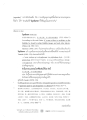
(ปาฏิ.) คำว่าอีกนันหนึ่ง คือ การเจริญพุทธานุสตินั้นไม่สามารถบรรลุมาถึงขั้นที่ ๑ ได้? ส่วนคัมภีร์ วิชชุติมรรฺ ก็ให้ข้อมูลแตกต่างกัน๑
เชิงอรรถ 8 (ต่อ)
วิชชุติมรรฺ (解脫道論)
如說修多羅混底匣句。若人欲念佛。其可恭敬如佛像處 (T32:
บทความนี้นำเสนอการศึกษาเกี่ยวกับพุทธานุสติและความสำคัญของการบูชาพระพุทธรูปโดยมีการเปรียบเทียบข้อมูลจากคัมภีร์วิชชุติมรรฺ เพื่อทำความเข้าใจถึงวิธีการปฏิบัติที่ถูกต้องและมีประสิทธิภาพ เหมาะสำหรับผู้ที่ต
13
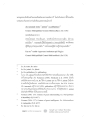
การสนทนาของพระพุทธองค์และพระมหันทพว์
พระพุทธองค์พร้อมด้วยคณะศิษย์ของพระมหันทพว์ ในลำดับต่อจากนี้ไปจะเป็นบทสนทนากันระหว่างท่านปิ้งค่ะและพระมหันทพว์
eko tamanud’ aixno 18 jutima 19 so pabhankaro 20
Gotamo bhuripaññaṅo Gotamo bhürimedhaso.
บทนี้นำเสนอร่างการสนทนาระหว่างพระปิ้งกับพระมหันทพว์ โดยเน้นการสรรเสริญพระโคตมะผู้มีปัญญาประดุจแผ่นดิน และการทำให้เกิดแสงสว่าง ช่วยให้เห็นคุณค่าของธรรมสอนในพระพุทธศาสนา อรรถกถาจากพระโกตมะที่เปรียบเสมือ
40
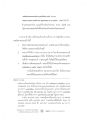
การปฏิบัติตามของพระลิงคัลมตาเถรีและพุทธานุสรณ์
attadhammani ruttisu patibhāne tath’ eva ca
ñāṇaᾱm mama mahāvīra uppannam tava santike. (Ap II 34.27)
ขอแต่พระมหาวีระ ญาณที่เกี่ยวข้องกับจรรยา ธรรม นิฐิติ และ
ปฏิกิริยาของเมื่อฉันเกิดขึ้นแล้วต่อหน้าพร
เนื้อหานี้กล่าวถึงการปฏิบัติตามของพระลิงคัลมตาเถรีที่พยายามตามหาพระพุทธองค์และได้รับการบรรลุผลทางจิตวิญญาณ ผ่านการเจริญภาวนาและการนึกถึงพุทธานุสรณ์ โดยการได้พบกับพระองค์ตลอดเวลาในชีวิต และยังมีการเปรี
6
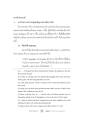
การวิเคราะห์ศิลาจารึกทางพระพุทธศาสนาในอินเดีย
การวิเคราะห์
1. การวิเคราะห์จากกลุ่มหลักฐานทางศาสนาจารึก
ในจำนวนศิลาจารึกทางพระพุทธศาสนาทั่วประเทศอินเดียและตอนบนของ
ประเทศปัจจสถาที่คั่นประกอบทั้งหมด 4,000 กว่าชิ้น ผู้ซึ่งได้รับการคัดเลือกศิลาจารึก
การศึกษาเกี่ยวกับศิลาจารึกทางพระพุทธศาสนาในอินเดีย มีจำนวนมากกว่า 4,000 ชิ้น โดยเฉพาะศิลาจารึกจากคูชันที่คัดเลือกมา 100 ชิ้น ซึ่ง 9 ชิ้นมีชื่อจารึกปีอธิปกที่สามารถวิเคราะห์ได้ ศิลาจารึก Rabatak เป็นหน
61
Pāli Literature and Studies
Vanarathne, Ranjith.
1980. *Theravadi Samanera Banadaham Pota.* Colombo:
Samayawadhana.
Wardar, A.K.
1967. *Pali Metre: A Contribution to the History of Indian Literature.* London: The Pali Text Soci
This collection highlights significant works in Pāli literature, including Ranjith Vanarathne's *Theravadi Samanera Banadaham Pota*, and A.K. Wardar's *Pali Metre*. Additionally, it features articles
305
Family Names and Contacts
Bastian Rhyner
Chino Gingiro
Fan Shu-Chih and Family
Heinz-Nonglak Wagner
Jody-Juamian Janow
Karl Rhyner
Kevin, Nanaporn, Tahlia, Lily
Lamduan-Claus Puggaard
Lom-Julia Dalsgaard-Jensen
Miyim Toshihito
This document contains a compilation of names that may represent families, individuals, or contacts of interest. These names include a range of cultural backgrounds, indicating a diverse compilation f
12
The Noble Eightfold Path: Key Concepts and Insights
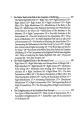
7 The Noble Truth of the Path to the Cessation of Suffering .................... 117
The Noble Eightfold Path 117 • Right View 118 • Right Intention 118 • Right Speech 118 • Right Action 118 • Right L
The Noble Eightfold Path is a fundamental Teaching of Buddhism aimed at overcoming suffering. It consists of eight essential practices: Right View, Right Intention, Right Speech, Right Action, Right L
112
Understanding the Dhamma Body and Overcoming Mental Defilements
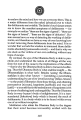
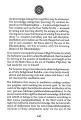
to enslave the mind and how we can overcome them. This is a major difference from the naked (physical) eye to which the defilements are invisible. The limits of our human senses are to know the manife
The passage discusses the limitations of human senses in perceiving mental defilements such as greed, hatred, and delusion. It highlights the importance of the Dhamma Body in providing insight into th
142
The Path to Enlightenment: Understanding Dhammakāya
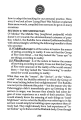
… such cessation. All this is seen by the eye of the
Dhammakāya. All this is known with the knowing
[nāṇa] of the Dhammakāya."
If we were to conclude the process of Right Practice by which
the bodhisatva w…
This text discusses the distinction between knowledge gained through cognition and that which arises from true wisdom based on the Dhammakāya. It details the bodhisatva's rigorous meditation practice
198
Adapting Teaching Practices Through the Middle Way
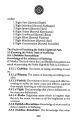
how to adapt the teaching for our personal practice. How-ever, if we look at how Luang Phaw Wat Paknam explained these same words, compiled from sermons he gave on many occasions:
SECTION 2: THE MIDDL
In this exploration of the Middle Way as explained by Luang Phaw Wat Paknam, we learn about its significance in achieving insight and reality perception. The Buddha emphasizes the importance of the 'i
204
The Noble Eightfold Path and Its Fruits
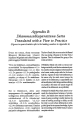
earlier:
1. Right View [Sammā Ditthi]
2. Right Intention [Sammā Saṅkappa]
3. Right Speech [Sammā Vāca]
4. Right Action [Sammā Kammanta]
5. Right Livelihood [Sammā Ājīva]
6. Right Effort [Sammā Vāyāma]
The Noble Eightfold Path consists of eight practices aimed at ethical and mental development, leading to enlightenment. The path includes Right View, Intention, Speech, Action, Livelihood, Effort, Min
210
The Middle Way According to the Blessed Bhagavā
Evaṁ me sutaṁ, ekam samayam त्ushaveI heard, that on one occasion the Blessed Bhagavā BāRāṇasiyam viharati Isipatane Migadaye tatra kho Bhagava páñcavaggiyye bhikkhu amantēsi:
" Dve me bhikkhave, antā
ในครั้งหนึ่ง พระภิกษุเบญจวัคคีย์ได้กราบทูลถึงการละเว้น ๒ ทางที่ไม่ควรปฏิบัติ ได้แก่ ความสุขจากกามและการทรมานตนเอง ซึ่งทั้งสองอย่างนี้ไม่สามารถนำไปสู่การบรรลุนิพพานได้ ตราบใดที่เราไม่ปฏิบัติตามมัชฌิมาป
213
Understanding Suffering and Its Origin
aloko udāpadi. must be done in relation to Suffering.
<3.5.3> Ta
This text discusses the detailed understanding of suffering as articulated by monks. It highlights the arising of wisdom, knowledge, and brightness concerning truths about suffering and its origin tha
215
The Tathāgata and the Cycle of Enlightenment
Yāva kivāñca me bhikkhave, imesu "O! Monks! If the Tathāgata had not fully com-
catusu ariyassaccevaṁ tiparivattaṁ completed these three cycles with their twelve com-
dvaḍasākāraṁ yathābhuṭṭaṁ nān
In this text, the Buddha addresses monks, emphasizing that he has fully completed the three cycles of truth, which affirms his status as a fully self-enlightened Buddha. He claims that this enlightenm
31
Untitled
The fifth level of hell, Mahāroruva, where the victims’ major retribution concerns having drunk liquor during their human lifetime.
2. Demons spontaneously arising in hell as a result of their victims
No summary available due to lack of content.

8
สารจากนายพัลลภ ไทยอารี
AOK
Headquarters
THE WORLD FELLOWSHIP OF BUDDHIST YOUTH (WFBY)
องค์การยุวพุทธศาสนิกสัมพันธ์แห่งโลก (ยพสล)
33 Sukhumvit Road, Nana, Bangkok 10110, Thailand. Tel. 2511188-90, 2511683
Cable : WORLBUDIST
Cable : WORLBUDIST BANGKOK สารจาก นายพัลลภ ไทยอารี ประธานองค์การยุวพุทธศาสนิกสัมพันธ์แห่งโลก เนื่องในวาระดิถีขึ้นปีใหม่ พุทธศักราช ๒๕๒๒ ท่านพุทธศาสนิกชนทั้งหลาย เนื่องในวารดิถีขึ้นปีใหม่พุทธศักราช ๒๕๓
69
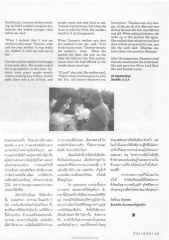
ประสบการณ์หลังความตายของแม่ชีถนอม
third house, I saw my mother stand-
ing. At first I couldn't recognize her,
because she looked younger than
before she died.
"When I realised that it was my
mother a voice came: "Tanome, come
and see
third house, I saw my mother stand- ing. At first I couldn't recognize her, because she looked younger than before she died. "When I realised that it was my mother a voice came: "Tanome, come and see

82
การเข้าใจธรรมะและการเกิดใหม่
า
ด
ช
น้องเล็กที่รัก
ที่เขียนจดหมายบ่นมาว่า อยากฟังเรื่องธรรมกายยาวกว่านี้ ก็ต้องขอบอกว่าพี่คุยกับชาวเยอรมัน 2 คนนั้น
จบไปแล้ว แต่เนื้อที่ในวารสารมีจำกัดอยู่เพียง 2 หน้าเท่านี้ ก็ต้องขอร้องให้ใจเย็น ๆ
า ด ช น้องเล็กที่รัก ที่เขียนจดหมายบ่นมาว่า อยากฟังเรื่องธรรมกายยาวกว่านี้ ก็ต้องขอบอกว่าพี่คุยกับชาวเยอรมัน 2 คนนั้น จบไปแล้ว แต่เนื้อที่ในวารสารมีจำกัดอยู่เพียง 2 หน้าเท่านี้ ก็ต้องขอร้องให้ใจเย็น ๆ