

self-purification : ค้นหาหนังสือธรรมะ หน้า 2 / 33
หน้าหนังสือทั้งหมด
77
Addressing Family Issues for Child Development
Part Three: Problems Within the Family
towards their happiness, spoiling our children neglects their
important emotional and spiritual growth. Spoiled children
usually end up more unhappy in the long-
Part three discusses the critical issues faced within families when children are spoiled, leading to unhappiness and self-destructive behaviors. It emphasizes the role of parents as teachers in guidin
46
Journey to Joy
Journey to Joy
46
46
universal love, the love of all of humankind
without expectation of reward or gain.
To love ourselves in the appropriate way,
we have to still the mind by relaxing and gently
clos
In this chapter, the focus is on cultivating universal love and self-love without expectations. By relaxing the mind through meditation, individuals can achieve inner peace and a sense of cleansing th
24
Dhamma for Laypersons and the Four Levels of Beauty
A person who has the Dhamma for Laypersons
(Gharāvās-dhamma) must display four regular habits:
1. Habit of Responsibility – Whatever the task at hand, he must do it to the best of his ability, in t
A person who follows the Dhamma for Laypersons exhibits four habits: responsibility, self-training, endurance, and sacrifice. These traits ensure self-reliance and leadership within families. In marri
53
Self-Development and Teacher Training Initiatives
Meeting #8
January 03, 2010
Today I am here with Luang Pi Joshua and Luang Pi Anurak. I have just returned to Bangkok and the Wat, after spending the end of 2009 in New York, helping my daughter move
In this meeting, various educational initiatives are discussed, focusing on self-development programs and teacher training. Projects include a Self-Development program inspired by the Five Rooms and S
120
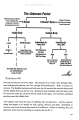
Seeking Guidance from a Dharma Adviser
Needing with a Dharma Adviser
The Unknown Factor
-------------------------------
It Must Exist Because of Balance:
If There Is Suffering, Fear,
And Ignorance, There Must
Be Something That Can Fix It
The text delves into the concept of seeking a Dharma adviser to help navigate the unknown factors of suffering, fear, and ignorance. It discusses that if there is suffering, there must be a solution,
38
Chapter 4: Cultivating Good Emotions through Meditation
The extracted text from the image is:
-----------
Chapter 4
Those who meditate with consistency will have good emotions, and can easily see and understand the truth that everyone has good and bad in
Chapter 4 emphasizes the significance of regular meditation in helping individuals recognize the duality of good and bad within themselves and others. By understanding this balance, people can cultiva
39
Cultivating Good Habits in Education
Teacher should remind themselves often that only good habits cultivate progress in academic and moral knowledge.
Right Thought — About Human Survival, Livelihood and Interaction
Right thought comes fr
ในบทความนี้กล่าวถึงความสำคัญของการปลูกฝังนิสัยดีในด้านการศึกษาและจริยธรรมสำหรับครูและนักเรียน ครูควรเตือนตัวเองเสมอว่านิสัยดีจะช่วยพัฒนาความรู้ทั้งด้านวิชาการและจริยธรรม การพูดและการกระทำที่ถูกต้องเริ
143
Understanding the Dhamma Body and the Noble Path
Dhamma Body — not with the human eye or the naked eye.
All the knowledge that brought him to Buddhahood came
by the ‘knowing’ of the Dhamma Body, not by rationale or
reasoning with the logical (hum
The Dhamma Body can only be perceived beyond the human eye, allowing the Buddha to grasp deep truths about existence. His compassion drove him to teach the Noble Path for the liberation of others, adv
197
The Middle Way: Buddha's Revolutionary Teaching
tered to liberate themselves from suffering, but because the strongest spiritual trend of the time was the practice of self-mortification, many went astray or perished in their quest. Having tormented
This text discusses the historical context of the Buddha's teachings, emphasizing how many were misled by the practice of self-mortification in their quest for liberation from suffering. It highlights
95
คำแนะนำในการเริ่มต้นธุรกิจขนาดเล็ก
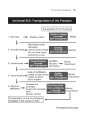
Universal Goodness : 93
Universal Evil: Transgression of the Precepts
Transgression of the Precepts
1. Dirtiness --> Disease, pests --> Quick to anger, self-indulgence --> Killing
2. Underliness -
บทความนี้นำเสนอเคล็ดลับในการเริ่มต้นธุรกิจขนาดเล็ก โดยเริ่มตั้งแต่การคิดไอเดีย การวางแผนธุรกิจ การเงิน และการสร้างแบรนด์ โดยมีข้อมูลที่เป็นประโยชน์จากผู้เชี่ยวชาญในวงการธุรกิจ โดยจะครอบคลุมทั้งการสำรว
182
Characteristics of a True Buddhist
are like any of them and if we have performed our duties as
true Buddhists yet or not.
A true Buddhist must exhibit the following
characteristics:
1) Belief in the Lord Buddha's Enlightenment. It is
t
This text examines the qualities necessary for being a true Buddhist, highlighting the importance of belief in the Lord Buddha's Enlightenment, adherence to the 5 precepts, understanding of Kamma, and
28
Metaphors for Mind Purification
gentleness in their minds. So they converted these virtues into metaphors for practical purposes, which included the following four magic forms of conduct:
Magic Form of Conduct #1: Eyes like the kno
This text delves into four magic forms of conduct symbolizing virtues for mental clarity, derived from natural observations made by our grandparents. Each metaphor teaches important life lessons aimed
85
The Dhammakaya Tradition
The Dhammakaya Tradition
The Dhammakaya Tradition is a Buddhist meditation method taught by Phramongkolthepmuni in the early 20th century. Dhammakaya meditation encompasses both the samatha (tranquili
The Dhammakaya Tradition is a renowned Buddhist meditation technique initiated by Phramongkolthepmuni in the early 20th century, blending samatha and vipassana practices with the aim of overcoming the
166
Understanding the Tipitaka and Buddhist Concepts
Tipitaka (Skt, Tripitaka): Buddhist scripture. Tipitaka means the Three Baskets. They consist of the Basket of Discipline (Vinaya Pitaka) – rules and regulations of the Order of monks and nuns; the Ba
Tipitaka, or Tripitaka, consists of three main sections: Vinaya Pitaka, Sutta Pitaka, and Abhidhamma Pitaka, covering monks' rules, discourses on various human concerns, and psychological aspects of B
126
Understanding Nibbana and Key Buddhist Concepts
Nibbana (Skt. Nirvana): the state of ultimate happiness, the happy condition of enlightenment, the highest spiritual attainment. This is not the sense-based happiness of the everyday livid; nor is it
Nibbana, or Nirvana, represents the ultimate happiness in Buddhism, transcending ordinary joy and marking the end of the rebirth cycle. It's a state of perfect enlightenment that goes beyond language,
73
Understanding Dharma and Buddhist Practices
gratitude; there is life after death; heavens and hells exist, and enlightenment is attainable.
Dharma
*Dharma* (Pali, Dhamma) has many meanings: the Truth, the way of the Nature, the right way of l
Dharma, meaning Truth and the way of Nature, is central to Buddhism. Buddhists are guided by three main practices: doing good, avoiding evil, and purifying the mind through meditation. They adhere to

73
ประสบการณ์การทำสมาธิ
her friends met Ms. Tao who was conducting
meditation classes in the evenings.
Ms. Tao taught them the 'Dham-
makaya' method whereby a crystal ball
was used as their focal point or object of
meditatio
her friends met Ms. Tao who was conducting meditation classes in the evenings. Ms. Tao taught them the 'Dham- makaya' method whereby a crystal ball was used as their focal point or object of meditatio

58
การทำสมาธิช่วยในการศึกษา
still. The best means for mental
training is the so-called Bhāvanā or
meditation.
Following Dhammakāya medi-
tation, we train ourselves to visualize
a crystal ball at our centre of gravity.
This is ou
still. The best means for mental training is the so-called Bhāvanā or meditation. Following Dhammakāya medi- tation, we train ourselves to visualize a crystal ball at our centre of gravity. This is ou
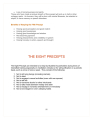
92
Understanding the Importance of the Fifth and Eight Precepts
…ddhist householders during times of intensified training (especially on meditation retreats) or for self-purification on a periodic basis, such as once or twice a week. They consist of the following:
1. Not to kill li…
The text discusses the severe consequences of violating the Fifth Precept in Buddhism, leading to unhappiness and potential mental disorders in future lives. It emphasizes the benefits of adhering to
12
Understanding Self-Worth and the Consequences of Actions
self-worth. Human life can only occur with a man and
a woman, but should only be when it is appropriate.
Promiscuity, illicit affairs and sexual violations can
lead to deceit and abortions, which in t
This content discusses the critical relationship between self-worth and the choices people make concerning intimacy and sexuality. It points out that human life is sacred and should only be pursued wi