

The Middle Way: Buddha's Revolutionary Teaching : หน้า 197/263
The Buddha’s First Teaching : หน้า 197/263 Explore the Buddha's teachings on self-mortification and sensual indulgence, highlighting the importance of the Middle Way for achieving true happiness.
0 ครั้ง
สรุปเนื้อหา
This text discusses the historical context of the Buddha's teachings, emphasizing how many were misled by the practice of self-mortification in their quest for liberation from suffering. It highlights that both sensual indulgence and extreme self-mortification are unprofitable paths. The Buddha introduced the Middle Way as a revolutionary doctrine, providing a correct alternative that leads to calm and supreme knowledge. His teachings, particularly in the Dhammacakkapavattana Sutta, outline a path towards enlightenment that avoids the extremes of experience.
หัวข้อประเด็น
-Buddha's teachings
-Middle Way
-Self-mortification
-Sensual indulgence
-Dhammacakkapavattana Sutta
ข้อความต้นฉบับในหน้า
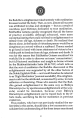
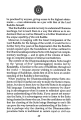
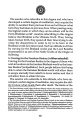
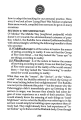
tered to liberate themselves from suffering, but because the strongest spiritual trend of the time was the practice of self-mortification, many went astray or perished in their quest. Having tormented themselves they had the feeling that their sensual lust was diminished and they thought that if they tormented themselves to the utmost, they would attain true happiness. No-one knows who originated this school of thought — all you can say is that Mara had fooled a whole continent and a whole generation of people into inflicting pain on themselves. Even Prince Siddhattha was among those to be taken in by this school of thought — but luckily he realized the futility of it sooner than the others. The Group of Five hadn’t agreed with him however and had opted to continue with their self-mortification, so at that time they had had to go their separate ways. There had been no anger between them, but they were subscribing to different schools of thought at that point.
Thus the Lord Buddha taught that neither of the extremes of sensual indulgence or self-mortification were profitable.
This teaching was revolutionary, because it went beyond what any previous philosopher or religious leader had ever taught. Thus for the Buddha to deny the truth of these two schools of thought, was to overturn all that had gone before.
The Buddha didn’t just deny what had gone before — he offered a correct alternative. Normally this part of the Dhammacakkapavattana Sutta is just translated:
“Avoiding both of these extremes, the Middle Way realized by the Tathagata — producing vision, producing knowledge — leads to calm, to supreme knowledge, to good knowledge, to extinction.”
This is a literal translation, but it doesn’t give us much clue
หน้าหนังสือทั้งหมด
1
2
3
4
5
6
7
8
9
10
11
12
13
14
15
16
17
18
19
20
21
22
23
24
25
26
27
28
29

30
31
32
33
34
35
36
37
38
39
40
41
42
43
44
45
46
47
48
49
50
51
52
53
54
55
56
57
58
59
60
61
62
63
64
65
66
67
68
69
70
71
72
73
74
75
76
77
78
79
80
81
82
83
84
85
86
87
88
89
90
91
92
93
94
95
96
97
98
99
100
101
102
103
104
105
106
107
108
109
110
111
112
113
114
115
116
117
118
119
120
121
122
123
124
125
126
127
128
129
130
131
132
133
134
135
136
137
138
139
140
141
142
143
144
145
146
147

148
149
150
151
152
153
154
155
156
157
158
159
160
161
162
163
164
165
166
167
168
169
170
171
172
173
174
175
176
177
178
179
180
181
182
183
184
185
186
187
188
189
190
191
192
193
194
195
196
197
198
199
200
201
202
203
204
205
206
207
208
209
210
211
212
213
214
215
216
217
218
219
220
221
222
223
224
225
226
227
228
229
230
231
232
233
234
235
236
237
238
239
240
241
242
243
244
245
246
247
248
249
250
251
252
253
254
255
256
257
258
259
260
261
262
263
หนังสือที่เกี่ยวข้อง
Load More