

self-training : ค้นหาหนังสือธรรมะ หน้า 3 / 44
หน้าหนังสือทั้งหมด
72
Understanding Vinaya: The Code of Conduct in Buddhism
'Vinaya' means 'code of conduct', 'discipline' and 'regulations'on the behaviour of individuals. As a collection, it is the name of the first portion of the Buddhist Canon [Vinaya-piṭaka] which deals
Vinaya refers to the code of conduct governing the behavior of individuals within the Buddhist community, particularly monks and nuns. It encompasses the Vinaya-piṭaka, the first portion of the Buddhi
112
เขาวงกตแห่งชีวิต
of Dhamma' were to go on to become the elder monks of the temple in the present day.
Many, many people underwent the 'Dhamma-
māyāda' training course because of the reputa-
tion for the training in
ในบทนี้ผู้เขียนอธิบายถึงการเดินทางผ่านเขาวงกตแห่งชีวิต โดยเปรียบเทียบการตัดสินใจของเราในทุกวันว่าเป็นการเลือกเส้นทางที่แตกต่างกัน ผู้เขียนเน้นความสำคัญของการพิจารณาผลกระทบจากการตัดสินใจเหล่านั้น โดยเฉ

53
การเดินทางรอบพระพุทธเจ้า
On England, there is a book called
'A Journey Round My Father'. In the book,
the author does not actually walk round his
father! Instead, the book is a tribute to the
author's late father. The author
On England, there is a book called 'A Journey Round My Father'. In the book, the author does not actually walk round his father! Instead, the book is a tribute to the author's late father. The author
53
Self-Development and Teacher Training Initiatives
Meeting #8
January 03, 2010
Today I am here with Luang Pi Joshua and Luang Pi Anurak. I have just returned to Bangkok and the Wat, after spending the end of 2009 in New York, helping my daughter move
In this meeting, various educational initiatives are discussed, focusing on self-development programs and teacher training. Projects include a Self-Development program inspired by the Five Rooms and S
38
Chapter 4: Cultivating Good Emotions through Meditation
The extracted text from the image is:
-----------
Chapter 4
Those who meditate with consistency will have good emotions, and can easily see and understand the truth that everyone has good and bad in
Chapter 4 emphasizes the significance of regular meditation in helping individuals recognize the duality of good and bad within themselves and others. By understanding this balance, people can cultiva
39
Cultivating Good Habits in Education
Teacher should remind themselves often that only good habits cultivate progress in academic and moral knowledge.
Right Thought — About Human Survival, Livelihood and Interaction
Right thought comes fr
ในบทความนี้กล่าวถึงความสำคัญของการปลูกฝังนิสัยดีในด้านการศึกษาและจริยธรรมสำหรับครูและนักเรียน ครูควรเตือนตัวเองเสมอว่านิสัยดีจะช่วยพัฒนาความรู้ทั้งด้านวิชาการและจริยธรรม การพูดและการกระทำที่ถูกต้องเริ
6
The Charismatic Teachings of Luang Por
Here is the extracted text from the image:
Foreword
In an attempt to give an insight into the charismatic approach and character of Luang Por, when confronted challenged by a question, even a questio
This text highlights Luang Por's charismatic teaching style, characterized by engaging, personal anecdotes and direct communication. He emphasizes the importance of understanding one's own learning be
25
The Four Problems in Marriage
Part One: Family Life
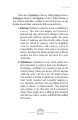
These are: Truthfulness (Sacca), Self-Control (Dama),
Endurance (Khanti), and Sacrifice (Caga). When lacking in
any of these principles, conflict or discord will arise in any
hum
Part One: Family Life highlights four essential principles for maintaining healthy relationships: Truthfulness (Sacca), Self-Control (Dama), Endurance (Khanti), and Sacrifice (Caga). Conflict within f
184
Glossary of Key Concepts in Buddhist Philosophy
Part Seven: Appendixes
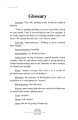
Glossary
Anattata: Non-self; nothing in the world has implicit
identity
"There is nothing out there, not even our bodies, which
we can control. Thus, it is not distinctly ours.
This glossary provides definitions for key Buddhist concepts such as Anattata (non-self), Aniccata (impermanence), and Bhavana (meditation). It emphasizes the understanding that nothing possesses a pe
142
Self-Responsibility and Social Development in Buddhism
Suzanne Jeffrey
And that’s where we close the circle. We do it for ourselves because we have to develop ourselves before we can develop anything else … but everything about us affects all of the peop
The text discusses the necessity of self-development before aiding others, emphasizing self-responsibility post-birth. It highlights the crisis of independence and the importance of moral boundaries i
78
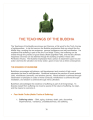
The Teachings of the Buddha
The Teachings of the Buddha
The Teachings of the Buddha are known as Dhamma, a Pali word for the Truth, the law of righteousness. In his first sermon the Buddha emphasized that one should live the Mi
The Teachings of the Buddha, known as Dhamma, emphasize the Middle Way, avoiding extremes of indulgence and self-mortification. Central to Buddha's teachings are the Four Noble Truths, which acknowled
40
The Futility of Self-Mortification
Commentorial Metaphors: Self-mortification:
1. Sugar-cane juice and poison: It can be compared to a mixture of sugar-cane juice and poison. In the end such practices will lead to death, and all for no
This text presents a series of metaphors illustrating the perils of self-mortification. Comparing self-harm to poison, stale excrement, and dangerous leaps, it highlights the futility of such practice
141
Understanding Impermanence, Suffering, and Not-Self
Impermanence [aniccān]: This is the built-in character of objects that are of a nature to change the whole of the time. Such things as the Five Aggregates of the Human Body are changing the whole of t
This text delves into the fundamental Buddhist concepts of impermanence (aniccān), suffering (dukkham), and not-self (anattā) as expressed through the Five Aggregates of the Human Body. It highlights
14
Understanding Karma and Human Behavior
Introduction
of our actions having brought this suffering of disharmony into our lives and seek to address the causes that are creating and accumulating bad karma. And our accumulated karma designate
This text delves into the impact of our actions on accumulating karma and the subsequent effects on our lives and rebirth. It outlines the ten bodily conditions we face as we navigate life and the nec
22
Building a Strong Marriage: Essential Factors for Success
clash with each other, or for them not to clash with their in-
laws. No matter what, there is always a chance that this can
happen.
The major concern is that, if the couple didn't learn how
to regulat
This text discusses the importance of emotional regulation in marriage and the need for couples to prepare before their union. It outlines four essential factors for a successful marriage, including s
22
Essential Factors for a Successful Marriage
clash with each other, or for them not to clash with their in-laws. No matter what, there is always a chance that this can happen.
The major concern is that, if the couple didn’t learn how to regulat
This text explores the importance of emotional regulation in marriages, emphasizing training before marriage to manage disagreements effectively. Couples prepared with self-reliance, the ability to ch
45
The Importance of Moral Education in Teaching
Only with moral education can human beings eliminate conflicts, selfish and greedy tendencies and practices so that man may truly coexist with mindful and peaceful consideration for each other. This s
This text emphasizes the necessity of moral education to eliminate selfish and greedy tendencies, enabling peaceful coexistence. It discusses the role of various types of teachers—parents, school teac
22
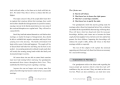
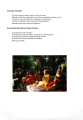
Formation of Good Habits
Formation of Habits
* The work which is done in each of the five rooms
* Attitude toward the consumption of the four necessities in these rooms
* The way to consume the four necessities in these rooms
This text discusses the various aspects of habit formation, emphasizing the importance of attitude towards life's necessities, manners in living and working together, and one's approach to livelihood.
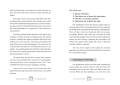
26
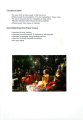
Formation of Habits
Formation of Habits
. The work which is done in each of the five rooms
. Attitude toward the consumption of the four necessities in these rooms
. The way to consume the four necessities in these rooms
This text discusses the formation of habits in various aspects of life, focusing on the work done in different areas and attitudes towards basic necessities. It emphasizes the importance of good habit
34
Understanding the Three Characteristics of Existence
When we receive fortune, prestige, recognition or happiness,
our minds will remain calm, not overwhelmed or attached.
A person who is aware of suffering and happiness has
trained the mind to be as sta
This text elaborates on the Three Characteristics: impermanence, suffering, and non-self, as fundamental truths of existence in Buddhism. It highlights how fortune, prestige, and happiness are tempora