

self-training : ค้นหาหนังสือธรรมะ หน้า 2 / 43
หน้าหนังสือทั้งหมด
20
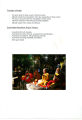
Formation of Habits
Formation of Habits
• The work which is done in each of the five rooms
• Attitude toward the consumption of the four necessities in these rooms
• The way to consume the four necessities in these rooms
The text discusses the formation of habits across five key areas of life, emphasizing proper training for cultivating good habits. It highlights attitudes towards necessities and living together, as w
82
Dhammadayada Training and Mass Ordination Programme
1. Dhammadayada training and mass ordination programme for high school and college male students during the summer break
- Dhammadayada Training and mass ordination programme for college students
- D
The Dhammadayada training and mass ordination programme is designed for high school, college, middle school, and elementary school male students, offering them a unique opportunity to deepen their und

9
Yuwakalanayamittra Training and Its Impact
activities such as music composing for the 1985 New Year celebration, and exercises on public speaking, advocacy and fundraising for Kathina or robe offerings thus constituted their daily routine. Som
The Yuwakalanayamittra training program has significantly influenced children's lives since its inception. In 1985, activities like music composing and public speaking prepared them for spiritual lead

35
การฝึกอบรมด้านจริยธรรมสำหรับครูและเจ้าหน้าที่
* Teacher Training in ethics
With the importance of consciousness- raising for teachers to be a good exemplars of morality for their students, Wat Phra Dhammakaya and the corresponding organization
การฝึกอบรมจริยธรรมมีความสำคัญในการเสริมสร้างจิตสำนึกเพื่อให้ครูเป็นแบบอย่างที่ดีให้กับนักเรียน โดยวัดพระธรรมกายและองค์กรที่เกี่ยวข้องได้จัดการฝึกอบรมจริยธรรมสำหรับครูกว่า 10 หลักสูตรต่อปีตั้งแต่ปี 199
111
Untitled Book Page
with virtue”. The biochemist who uses his skills to refine heroin or the farmer who grows opium in the place of food crops, are examples of those learned in the world but who do not see the importance
This content delves into the key ideas presented in the book, offering comprehensive explanations and analysis. Readers can expect to encounter a variety of topics that enhance their understanding of

18
การเปลี่ยนแปลงชีวิตผ่านการปฏิบัติธรรม
I was born and brought up
in Trang Province. When I
attended the Faculty of Education
at Chulalongkorn University, I
was lost in the colorful lights of
the city. Surrounded by badly
behaved friends, I
I was born and brought up in Trang Province. When I attended the Faculty of Education at Chulalongkorn University, I was lost in the colorful lights of the city. Surrounded by badly behaved friends, I
91
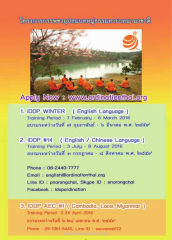
โครงการบรรพชาอุปสมบทหมู่ธรรมทายาทนานาชาติ
โครงการบรรพชาอุปสมบทหมู่ธรรมทายาทนานาชาติ
Apply Now: www.ordinationthai.org
1. IDOP WINTER ( English Language )
Training Period : 7 February - 6 March 2016
อบรมระหว่างวันที่ ๗ กุมภาพันธ์ - 5 มีนาคม พ.
โครงการบรรพชาอุปสมบทหมู่ธรรมทายาทนานาชาติ Apply Now: www.ordinationthai.org 1. IDOP WINTER ( English Language ) Training Period : 7 February - 6 March 2016 อบรมระหว่างวันที่ ๗ กุมภาพันธ์ - 5 มีนาคม พ.

66
สนทนาธรรมยามว่าง
A&B
สนทนาธรรมยามว่าง
โพ : พรม
วิธีปฎิบัติเพื่อบรรลุ
เป้าหมายสูงสุด
A: You said that the ultimate goal of Bud-
dhism is Nibbana. How can we attain it?
(คุณกล่าวว่าเป้าหมายสูงสุดของพระพุทธศาสนา
คือนิพพา
A&B สนทนาธรรมยามว่าง โพ : พรม วิธีปฎิบัติเพื่อบรรลุ เป้าหมายสูงสุด A: You said that the ultimate goal of Bud- dhism is Nibbana. How can we attain it? (คุณกล่าวว่าเป้าหมายสูงสุดของพระพุทธศาสนา คือนิพพา

91
โครงการบรรพชาอุปสมบทหมู่
ฉบับยุโรป EU
โครงการบรรพชาอุปสมบทหมู่ธรรมทายาทนานาชาติ
Apply Now: www.ordinationthai.org
1. IDOP WINTER ( English Language )
Training Period : 7 February - 6 March 2016
อบรมระหว่างวันที่ ๗ กุมภาพันธ์
ฉบับยุโรป EU โครงการบรรพชาอุปสมบทหมู่ธรรมทายาทนานาชาติ Apply Now: www.ordinationthai.org 1. IDOP WINTER ( English Language ) Training Period : 7 February - 6 March 2016 อบรมระหว่างวันที่ ๗ กุมภาพันธ์

91
โครงการบรรพชาอุปสมบทหมู่
อยู่ในบุญฉบับ USA
โครงการบรรพชาอุปสมบทหมู่ธรรมทายาทนานาชาติ
Apply Now: www.ordinationthai.org
1. IDOP WINTER (English Language)
Training Period : 7 February - 6 March 2016
อบรมระหว่างวันที่ ๗ กุมภาพัน
อยู่ในบุญฉบับ USA โครงการบรรพชาอุปสมบทหมู่ธรรมทายาทนานาชาติ Apply Now: www.ordinationthai.org 1. IDOP WINTER (English Language) Training Period : 7 February - 6 March 2016 อบรมระหว่างวันที่ ๗ กุมภาพัน
24
Dhamma for Laypersons and the Four Levels of Beauty
…of his ability, in terms of quality, time, budget, and caring for the quality of mind.
2. Habit of self-training and self-improvement – The study and research in various areas to improve one’s knowledge, ability,…
A person who follows the Dhamma for Laypersons exhibits four habits: responsibility, self-training, endurance, and sacrifice. These traits ensure self-reliance and leadership within families. In mar…
134
The Role of Parents and Teachers in Moral Training
Suzanne Jeffrey
"The teachers have a double duty, one of moral training and the other of academic training. So how do we solve this problem of teaching children what is good and bad? We train the par
In this text, Suzanne Jeffrey emphasizes the dual responsibility of teachers in academic and moral training. It suggests that parents must also be involved in teaching good habits alongside teachers a
14
Building a Trustworthy Family
involvement with this distrustful person. Good people will not
want to befriend dishonest people because they do not want to
gain a bad reputation through association.
So if a person in a family does
The text emphasizes that honesty and self-control are essential for a trustworthy family environment. Good people avoid associations with dishonesty. A family lacking truthfulness cultivates suspicion
14
Building Strong Family Foundations Through Truthfulness and Self-Control
involvement with this distrustful person. Good people will not want to befriend dishonest people because they do not want to gain a bad reputation through association.
So if a person in a family does
This text discusses the importance of truthfulness (sacca) and self-control (dama) in family dynamics and personal growth. It emphasizes that individuals with a lack of truthfulness can create distrus

62
Understanding Buddhist Concepts: Key Terms and Definitions
phenomena; outside the sphere of natural law; supernatural (unexplainable phenomena)
อดิษฐาน past life; previous life; previous existence
อทินนนทาน taking what is not given; stealing
อทุกขมสุข neither
This text presents key Buddhist concepts such as 'อนัตตา' (non-self), emphasizing that there is no lasting essence, only the illusion of self that causes attachment. It discusses 'อนิจจตา' (impermanen
39
Understanding Self-Mortification in Buddhism
It is for this reason that the Lord Buddha should want to start his sermon by instructing the ‘group of five’ that indulgence of the senses is unsuitable, base, ignoble, without benefit, unsuitable fo
In this text, Lord Buddha teaches that indulgence of the senses is unsuitable for a Buddhist monk and should be avoided. The practice of self-mortification, common among non-Buddhist ascetics, include
237
Exploring Concepts of Buddhist Mythology
Asaññisatta (P. realm of non-per- ayatana nibbāṇa q.v. (lit. the recipient beings: see form Brahmā sphere of Nirvana realms) āsavakkhayañāṇa (see knowledge of an end of defilements) ayatana (lit. sphe
This text delves into intricate Buddhist concepts such as Asaññisatta, the realm of non-perception, and its relation to Nibbāṇa, highlighting essential terms like bhāvanā (development), and defilement
30
Untitled
28 : Universal Goodness
Without bearing in mind the true purposes of one's clothing,
one tends to buy clothing articles on impulse and without thought.
One tends to follow the latest fashion trends i
No summary can be generated due to lack of content.

9
International Dhamma Daya Da Ordination Program 2011
6-
The beginning of
Life's
IDOP
answers
INTERNATIONAL
DHAMMADAYADA
ORDINATION
PROGRAM
โครงการอบรมธรรมทายาทนานาชาติ ปี 2554
2011
Schedule
Language
Month Program
Time
Days
1 February
IDOP SP1
16 Februar
The International Dhamma Daya Da Ordination Program (IDOP) for 2011 offers various training schedules in English, Chinese, and Japanese. Participants must meet specific eligibility criteria including
63
Training Programme and Dhamma Teaching to the Public
Training Programme and Dhamma Teaching to the Public
ince the beginning of building Wat Phra Dhammakaya, the duty in building the temple was heavy, but one that Luang Phaw Dhammajayo gave as being th
Since its inception, Wat Phra Dhammakaya has prioritized Dhamma training alongside temple construction. Luang Phaw Dhammajayo emphasizes the significance of teaching Dhamma to the public through vario