

Buddha-Nature : ค้นหาหนังสือธรรมะ หน้า 17 / 106
หน้าหนังสือทั้งหมด
36
The Hardships of Earning a Living
ways: for example, some are farmers, some run businesses, some tend dairy cattle, some are soldiers, some are civil servants, some are elephant trainers, some are horse trainers. No matter which way o
This text discusses the various livelihoods people engage in, from farming to business and training animals, emphasizing the hardships each profession entails regardless of the success one achieves. I
111
Understanding the Dhammakāya in Insight Meditation
called the ‘Coarse Dhammakāya Arahant’ or the ‘Subtle Dhammakāya Arahant’ — the latter two being the bodies of enlightenment of the arahant. The Dhammakāyas are all transcendental [lokuttara] in natur
This text delves into the concept of Dhammakāya Arahant, distinguishing between the Coarse and Subtle Dhammakāya. It explains that these bodies are transcendental and consist of pure aggregates that a
112
Understanding the Dhamma Body and Overcoming Mental Defilements
to enslave the mind and how we can overcome them. This is a major difference from the naked (physical) eye to which the defilements are invisible. The limits of our human senses are to know the manife
The passage discusses the limitations of human senses in perceiving mental defilements such as greed, hatred, and delusion. It highlights the importance of the Dhamma Body in providing insight into th
122
The Journey to Inner Bodies and Enlightenment
(also called the 'astral body' or 'dream body') all the way up to the various bodies of enlightenment.
The meditator can see and consider bodies within the body by setting their attention to the centr
This text describes the meditative journey towards discovering inner bodies, known as the astral or dream body, and various spheres of awareness that lead to enlightenment. It details how focusing att
127
Understanding the Mind and Its Layers
are mindful that ‘the mind is distracted’. If the mind is con-
centrated, you are mindful that ‘the mind is concentrated’.
If the mind is liberated, you are mindful that ‘the mind is
liberated’. If
The text delves into the nature of the mind, describing its four concentric layers: perception, sensory registration, central processing, and cognition. It explains how mindfulness operates at each le
130
Understanding Mindfulness in the Mind
mind in the mind, it means mindfulness only of the sphere of central processing — and not the spheres of the mind involved with perception, sensory registration or cognition. It is no use having mindf
The text discusses mindfulness focusing on the central processing of the mind, distinguishing it from perception and cognition. It describes the clear nature of the pure mind that becomes tainted by d
145
Understanding the Eightfold Path: Right Mindfulness and Right Concentration
fort: doing of evils not yet done, maintainance of evils already done, not doing virtues not yet done and abandoning virtues already mastered.
As for Right Mindfulness, he would immediately and defini
This excerpt explores the significance of the Eightfold Path, specifically focusing on Right Mindfulness and Right Concentration. It emphasizes understanding the aggregates of existence as they relate

109
หลักกรรมและการเวียนว่ายตายเกิด
แนะนําหนังสือดี
กัลยาณมิตรปราณี สัจจกมล
วศิน อินทสระ
หลักกรรม
และ
การเวียนว่ายตายเกิด
00/-
หลักกรรมและการ
เวียนว่ายตายเกิด
เรื่อง “หลักกรรมและการเวียน
ว่ายตายเกิด” เป็นกฎธรรมชาติ (The
Law of Nature) ท
การเวียนว่ายตายเกิด 00/- หลักกรรมและการ เวียนว่ายตายเกิด เรื่อง “หลักกรรมและการเวียน ว่ายตายเกิด” เป็นกฎธรรมชาติ (The Law of Nature) ที่องค์สมเด็จพระสัมมา สัมพุทธเจ้าทรงค้นพบ เป็นเรื่องที่น่าสน ใจอย่า

47
คุณค่าของการฝึกสมาธิ
มกราคม ๒๕๓๑
How did meditation benefit her?
Rebecca herself found the benefit of meditation.
She said that:-
"I found that it gives me a sense of calm, peace
and happiness and a feeling that there is
มกราคม ๒๕๓๑ How did meditation benefit her? Rebecca herself found the benefit of meditation. She said that:- "I found that it gives me a sense of calm, peace and happiness and a feeling that there is
6
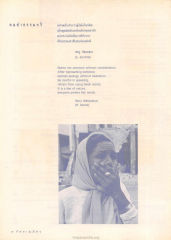
การใช้วาจา
ค ม ค า ธ ร ร ม ก
อย่าพลั้งปากว่าผู้ใดไม่ใคร่คิด
เมื่อพูดผิดรีบขอโทษโปรดอย่าช้า
ควรระวังยับยั้งการใช้วาจา
เป็นธรรมดาชื่นชมนิยมค่าดี
เรณู วัฒนคุณ
(ร. ดาวราย)
Blame not someone without consideration.
Af
ค ม ค า ธ ร ร ม ก อย่าพลั้งปากว่าผู้ใดไม่ใคร่คิด เมื่อพูดผิดรีบขอโทษโปรดอย่าช้า ควรระวังยับยั้งการใช้วาจา เป็นธรรมดาชื่นชมนิยมค่าดี เรณู วัฒนคุณ (ร. ดาวราย) Blame not someone without consideration. Af

19
การสร้างบารมี
“เราเกิดมาแล้ว พบพระพุทธศาสนาแล้ว ก็ต้องสร้างบารมีให้คุ้มค่า
เพื่อให้บุญบารมีของเราเต็มเปี่ยม จะได้หาทางพ้นทุกข์ได้”
คุณยายอาจารย์มหารัตนอุบาสิกาจันทร์ ขนนกยูง
ผู้ให้กาเนิดวัดพระธรรมกาย
NATURE
บอรนา
1
“เราเกิดมาแล้ว พบพระพุทธศาสนาแล้ว ก็ต้องสร้างบารมีให้คุ้มค่า เพื่อให้บุญบารมีของเราเต็มเปี่ยม จะได้หาทางพ้นทุกข์ได้” คุณยายอาจารย์มหารัตนอุบาสิกาจันทร์ ขนนกยูง ผู้ให้กาเนิดวัดพระธรรมกาย NATURE บอรนา ส

19
การประชุมพิเศษครั้งที่ ๒๔ ของสมัชชาใหญ่ สหประชาชาติ
สุนทรพจน์ของพระภาวนาวิริยคุณ
ในการประชุมพิเศษครั้งที่ ๒๔ ของสมัชชาใหญ่ สหประชาชาติ
วันพุธที่ ๒๘ มิถุนายน พ.ศ. ๒๕๔๓
(24th Special Session of the United Nations
General Assembly Geneva (26-30 June 2000)
สุนทรพจน์ของพระภาวนาวิริยคุณ ในการประชุมพิเศษครั้งที่ ๒๔ ของสมัชชาใหญ่ สหประชาชาติ วันพุธที่ ๒๘ มิถุนายน พ.ศ. ๒๕๔๓ (24th Special Session of the United Nations General Assembly Geneva (26-30 June 2000)
176
The Importance of Carefulness in Buddhism
"Bhikkhus," my duties that are of benefit and support to
you are now complete. I now wish to remind you that the
nature of all living creatures is impermanence and
degeneration. Thus, you should conti
In Buddhism, carefulness is essential for maintaining virtue and reducing the chances of misconduct. As beings with limited lifespans, it is vital to perform wholesome actions. The state of mind influ
7
Understanding the Mind in Thai Culture
"this or that", "black or white", with no gray area, as the
locals find this logic easy to grasp and put into practice. In
addition, Thai culture and language has a relatively large
amount of words an
This text discusses the simplicity of dualistic thinking in Thai culture and the rich linguistic resources that explain human cognition. It emphasizes that terms often linked to Buddhism should be tre
12
The Purpose of Dhammakaya Temple
this mode of thought mankind creates many different types
of research. And, to our great disappointment, most fail to
have lasting success.
The Dhammakaya Temple was established with the
aim to make i
The Dhammakaya Temple aims to develop its members into good people through understanding the Dhamma. It has expanded globally, with an increasing number of visitors practicing to eliminate suffering a
22
The Importance of Dhammakaya
THE IMPORTANCE OF DHAMMAKAYA
11. The Core of Buddhism
Dhammakaya...
is the core of Buddhism,
it being vital we study it
to the point
we can attain it for ourselves.
It was there at the beginning of Bu
Dhammakaya is central to Buddhism, emphasizing its essential role from the beginning. Despite neglect, its truth persists, allowing for personal verification through practice. Understanding Dhammakaya
85
Speech of Solidarity and Verses of Resolution
Speech of Solidarity and Verses of Resolution
By H.E. the Deputy Prime Minister Somsak Thepsuthin,
representing the Prime Minister
Venerable Sirs, Your Excellencies, Distinguished Guests, Ladies
In a poignant speech, H.E. Deputy Prime Minister Somsak Thepsuthin emphasizes the teachings of Buddha regarding the Cycle of Rebirth, the interconnectedness of humanity, and the inevitability of parti
42
Afternoon Activities at YUWA CAMP
Afternoon activity
Afternoon activity involves recreational activities which all at YUWA CAMP, instructors, mentors and Yuwakalayanamitra alike, take delight in doing.
Practicing meditation
Yuwakalay
Afternoon activities at YUWA CAMP involve the Yuwakalayanamitra participating in various recreational and educational tasks. Meditation is practiced in both indoor and outdoor settings to enhance effe
58
Understanding the Concept of Body and Collection in Dhamma
Functionally, however, both terms seem to imply a different relationship between individual members and the ‘totality’ of the whole ‘body’ or ‘collection.’ As a ‘body,’ the ‘totality’ of the whole org
This text analyzes the distinctions between the terms 'body' and 'collection' within the framework of Dhamma, particularly focusing on functional dependence. It argues that while a 'body' maintains es

6
Udaya Sutta - Breaking the Cycle
The Victure of Aousiving
6
1. Udaya Sutta¹
Breaking the Cycle
The origin is Śāvatthi. The Blessed One putting on robes in the morning and taking bowl and robes approached the Brahmin Udaya’s house.
This text recounts the story of the Blessed One visiting Brahmin Udaya's house three times in a single day for alms, receiving rice each time. Udaya's annoyance at the repeated visits brings forth a d