

Consciousness : ค้นหาหนังสือธรรมะ หน้า 2 / 5
หน้าหนังสือทั้งหมด
15
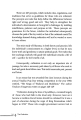
Understanding the Role of Precepts in Buddhist Ordination
…ve to harm others.
The strict study of Dhamma, in both theory and practice, lifts the individual's consciousness to a higher level, so that he may know truth and goodness, to attain spiritual goals. The truths th…
…al and society, guiding toward self-sacrifice for the greater good. The teachings of Dhamma elevate consciousness, aiding in the pursuit of spiritual goals. Ordination is not only a rite of passage but a significa…
40
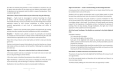
Right Concentration and the Noble Eightfold Path
Right Concentration — Leads to Understanding and Knowledge Retention
Consciousness that is still and concentration are so closely related that they can be considered to be one and th…
Concentration and stillness of consciousness are vital for academic success and personal growth. Practicing meditation enhances students' unders…
45
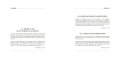
The Profound Truth of Meditation
…r two straight weeks following Luang Por Wat Paknam's directions. After the meditation, my expanded consciousness allowed me to answer all questions about all subjects. This is due to the profound knowledge taught…
…tation opens the mind to profound knowledge. After weeks of meditation under his guidance, expanded consciousness allows practitioners to see truths clearly. The journey to super-advanced meditation requires moral…

46
Success Through Love of Meditation
…NO SECRET IN THIS WORLD
My meditation skills are so precise and so profound that they have allowed consciousness to expand beyond the ordinary. I am aware of everything; no secret is kept from me. It befits the s…
…rofession leads to excellence. The author shares how their meditation abilities allow for expansive consciousness, indicating that true understanding requires purity of mind. Ultimately, nothing is hidden from tho…
13
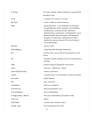
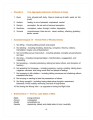
บทความเกี่ยวกับแนวคิดและคำศัพท์ทางพระพุทธศาสนา
…ce; keeping the Buddhist Lent
จําวัด to sleep (of a monk or novice)
จิต, จิตต์ mind; a state of consciousness
จิตตะ (citta) Attention – (ref. Idhipadha 4) thought; thoughtfulness; active thought; concentrati…
เนื้อหาเกี่ยวกับคำศัพท์สำคัญในพระพุทธศาสนาเช่น จําพรรษา, จิต, และเจตนา โดยมีการอธิบายความหมายของคำแต่ละคำในบริบทของการศึกษาพุทธธรรม รวมถึงแนวคิดเกี่ยวกับความตั้งใจและการทำจิตให้สงบ ช่วยเสริมสร้างความเ
81
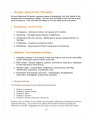
Understanding the Five Aggregates, Tenfold Path of Wholesomeness, and Four Lofty States of Mind
…s of sensual perception
4. Sankhara conception, notion, thought, volition, disposition
5. Vinnana consciousness; there are six: visual, auditory, olfactory, gustatory, tactile, mental
Kusalakammapada 10 -- Tenf…
… consist of Rupa (form), Vedana (feeling), Samjna (perception), Sankhara (conception), and Vinnana (consciousness). It describes Kusalakammapada or the Tenfold Path of Wholesomeness guiding ethical behavior by pro…
82
Hiri-Ottapa: Understanding Shame and Fear of Wrongdoing
…. Truthfulness – honesty to yourself and others
5. Mindfulness – being aware and alert; having good consciousness
Iddhipada 4 -- Four foundations of Success
1. Inspiration (chanda) – to be happy to work and read…
Hiri and Ottapa are pivotal concepts in Buddhism, representing the shame of wrongdoing and the fear of its consequences. Together, they foster a good moral conscience. Individuals devoid of these trai
5
Exploring Virgin Births and Parthenogenesis
…egnancy or the uterus during endometrium cycle and secondly Patisandhiviññāṇa or Gandhabba (rebirth consciousness) conceived in the mother’s womb. There is some supporting evidence that these statements are consis…
…gnancy. Essential aspects like the uterine environment during the endometrium cycle and the rebirth consciousness (Gandhabba) are highlighted. While current technology allows for the creation of embryos, full huma…
6
Achieving Life Balance through Viveka
…y, not being led by negative forces such as hindrances. Mental seclusion allows cultivation of pure consciousness by exposing the covered defilements. 3) Upadhi Viveka or Defilement seclusion could be used for ext…
…vigating a materialistic world. Understanding and applying these principles can help cultivate pure consciousness and reduce distractions from worldly fascinations. For further insights, visit dmc.tv.
21
The Inaugural Teaching of the Buddha
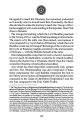
… Formations [saṅkhāra]...because of mental formations there is the condition for the arising of; 3. Consciousness [viññāṇa]...because of consciousness there is the condition for the arising of; 4. Mind and Form [n…
The Buddha decided to teach the Dhamma starting with the Group of Five at Isipatana Deer Park. His first sermon, the Dhammacakka pavattana Sutta, serves as a crucial teaching, symbolized by a royal ch
76
Understanding the Aggregates of Clinging in Buddhism
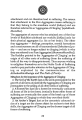
…tes (i.e. his or her body). The other four aggregates — feelings, perception, mental formations and consciousness are all of transcendental [lokuttara] purity — and are no longer subject to clinging (which is why …
…etain only their physical aggregates as worldly, their feelings, perception, mental formations, and consciousness achieve transcendental qualities. The Buddha emphasized these aggregates as fundamental to understa…
81
Understanding Ascetic Practices and the Pursuit of Brahmā Realms
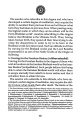
…1. Ākāsaṇāñcāyatana (realm of the infinity of space); 2. Viññāṇañcāyatana (realm of the infinity of consciousness); 3. Ākiñcaññāyatana (realm of nothingness), and; 4. Neva saññāsaññāyatana (realm of neither percep…
…n realms in the Form-Brahma world and four in the Formless-Brahma world, each signifying a state of consciousness that ascetics seek to experience. Ultimately, these pursuits stem from cravings, as identified by t…
98
Exploring Sensual Delights and the Six Sense Organs
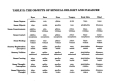
…ndha | rasa | phoṭṭhabba | dhamma |
| Sense-Consciousness| cakkhu-vinnāṇa | sota-vinnāṇa | ghāṇa-vinnāṇa | jivhā-vinnāṇa | k…
… presents an intricate overview of the six sense organs in relation to their corresponding objects, consciousness, contact, feelings, registration, volition, craving, thought conception, and discursive thought. Ea…
106
Understanding the Middle Way in Dhamma Practice
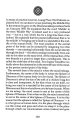
…the place through which our life comes and goes and when we sleep it is the place through which our consciousness comes (wakes) and goes
… center for true understanding and enlightenment, facilitating our connection to life’s continuity, consciousness, and stillness.
136
Understanding the Inner Bodies on the Path to Enlightenment
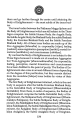
…rūpa], feeling [vedanā], sense-registration (perception) [saññā], mental formations [saṅkhāra], and consciousness [viññāṇa].
By contrast the Body of Enlightenment is not subject to the Three Signs because it is ma…
This text delves into the various inner bodies that exist between the Paṭhama Magga Sphere and the Body of Enlightenment. These include the Subtle Human Body, Angelic Body, and several Brahma Bodies,
141
Understanding Impermanence, Suffering, and Not-Self
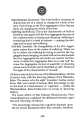
…t ‘mundane’ bodies cannot know their own nature is because their knowledge is only on the level of ‘consciousness’ or ‘cognition’ — unlike the Dhammakāya, these bodies have no access to ‘knowing’ [ñāṇa].
The Gre…
…of these principles is accessible only through the eye of the Dhammakāya, which transcends ordinary consciousness and cognition. The distinction between cognition and true knowing as explained by the Great Abbot, …
242
Glossary of Key Buddhist Terms
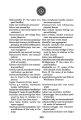
…actile feeling: see
existence]) sense-feeling)
kāmanissaraṇa (see refuge from käya viññāṇa (tactile consciousness-
sense pleasure) see sense-consciousness)
kāmarāga (see sensual-grasping) kesā (see hair of the hea…
This text provides a glossary of key Buddhist terms, including definitions and insights into concepts such as Käyasucarita (wholesome physical deeds), Kāmabhava (sense-sphere existence), and various f

27
ความสุขและจิตสำนึก
…ขึ้น
ในระดับจิตสำนึกของมนุษย์ เพิ่มมากขึ้น
หรือน้อยลงก็โดยความควบคุม (ปัจจัย
ปรุงแต่ง) ของจิตสำนึก (Consciousness)
และสูญสลายตัวไปในจิตสำนึกเช่นเดียวกัน
ถ้าว่ากันตามหลักการนี้แล้ว สัมผัสกับสิ่ง
ภายนอกเป็นเพียงเครื…
…ขึ้น ในระดับจิตสำนึกของมนุษย์ เพิ่มมากขึ้น หรือน้อยลงก็โดยความควบคุม (ปัจจัย ปรุงแต่ง) ของจิตสำนึก (Consciousness) และสูญสลายตัวไปในจิตสำนึกเช่นเดียวกัน ถ้าว่ากันตามหลักการนี้แล้ว สัมผัสกับสิ่ง ภายนอกเป็นเพียงเครื…

17
ความรู้ในพระพุทธศาสนา
…
MENT) เป็นความรู้ถึงระดับขั้น “ตรัสรู้” เป็น
ความรู้ที่พ้นระดับสัญญา (PERCEPTION) พัน
ระดับวิญญาณ (CONSCIOUSNESS) และพัน
ระดับทิฐิ (CONCEPTION) ของปุถุชนทั่ว ๆ ไป
จึงเป็นความรู้ที่ “จริงแท้แน่นอน” เพราะรู้สิ่ง
ต่…
… MENT) เป็นความรู้ถึงระดับขั้น “ตรัสรู้” เป็น ความรู้ที่พ้นระดับสัญญา (PERCEPTION) พัน ระดับวิญญาณ (CONSCIOUSNESS) และพัน ระดับทิฐิ (CONCEPTION) ของปุถุชนทั

53
ความรู้ในพระพุทธศาสนา
…TENMENT)เป็นความรู้
ถึงระดับขั้น “ตรัสรู้” เป็นความรู้ที่พ้นระดับสัญญา (PERCEPTION) พ้นระดับวิญญาณ
(CONSCIOUSNESS) และพ้นระดับทิฐิ (CONCEPTION) ของปุถุชนทั่ว ๆ ไปจึงเป็นความรู้ที่
“จริงแท้แน่นอน” เพราะรู้สิ่งต่าง …
…TENMENT)เป็นความรู้ ถึงระดับขั้น “ตรัสรู้” เป็นความรู้ที่พ้นระดับสัญญา (PERCEPTION) พ้นระดับวิญญาณ (CONSCIOUSNESS) และพ้นระดับทิฐิ (CONCEPTION) ของปุถุชนทั่ว ๆ ไปจึงเป็นความรู้ที่ “จริง