

D : ค้นหาหนังสือธรรมะ หน้า 1109 / 1155
หน้าหนังสือทั้งหมด
17
Dhamma Practice and Understanding in Dhammacakkapavattana Sutta
translation are hampered in their studies both by the scarcity of the original and its archaic language. In spite of the pre…
This work addresses the challenges of understanding the Dhammacakkapavattana Sutta due to its original language …
18
The Heir to the Buddha’s Teaching
This book envisions the student of Dhamma as being an “heir” to the Buddha’s Teaching who has the responsibility to study them t…
This book envisions the student of Dhamma as an 'heir' to the Buddha's Teaching, emphasizing the need to understand and instill …
19
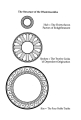
The Structure of the Dhammacakka
Hub = The Thirty-Seven Factors of Enlightenment
Spokes = The Twelve Links of Dependent …
21
The Inaugural Teaching of the Buddha
He agreed to teach the Dhamma, but remained undecided as to exactly who he should teach first. Eventually, th…
The Buddha decided to teach the Dhamma starting with the Group of Five at Isipatana Deer Park. His first se…
22
Understanding the Dhammacakkapavattana Sutta
For as long as the components were separated, they could not be called a wheel. Just as, a skilled wheelwright can assemble the components to ma…
The Dhammacakkapavattana Sutta marks the first sermon of Buddha, articulating the foundational teachings …
23
Understanding the Path to Nirvana: The Buddha's Teachings
the attainment of Nirvana. In the Dhammacakkapavattana Sutta, further to the clarification of the profitable path of practice, the Budd…
This text discusses the Buddha's elucidation of the paths to Nirvana as presented in the Dhammacakkapavattana S…
24
The Path of Self-Mortification in Buddhism
2. The Path of Self-Mortification
According to the Buddha, the practice of self-mortification [attakilamathānuyoga] is fruitless. He said th…
In Buddhism, the practice of self-mortification is deemed fruitless by the Buddha. He elucidates that thes…
26
The Noble Truths and the Path to Nirvana
3. The Noble Truth of the Cessation of Suffering [dukkhanirodha ariyasacca];
4. The Noble Truth of the Path to the Cessation of Suffering [dukkhanirodh…
This text delves into the Four Noble Truths, emphasizing the cessation of suffering and the path leading to it.…
27
Understanding the Four Noble Truths in Buddhism
**1. Saccaṇāṇa:** This first cycle of examination of the knowledge of the Four Noble Truths established the knowledge of the Truth of their Existence. Thus he was t…
This text outlines the process of examining the Four Noble Truths in Buddhism through three cycles: Saccaṇāṇa (knowledge of existence), Kiccāṇāṇa (knowledge of duty), and K…
28
Insights into the Three Cycles and Twelve Components of Suffering
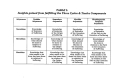
TABLE I:
Insights gained from fulfilling the Three Cycles & Twelve Components
| Ariyasacca | Dukkha Ariyasacca | Samudya Ar…
This table outlines insights into suffering through the lens of the Four Noble Truths in Buddhism. Each Ariyasacca component provides a deeper understanding of suffering, including its existen…

30
The Middle Way: Balancing Sensual Indulgence and Self-Mortification
the harmfulness of the extremes of sensual indulgence and self-mortification, and advocated the following of the Middle Way or Noble Eightfold Pat…
This text discusses the risks associated with extreme sensual indulgence and self-mortification, underscoring t…
32
Metaphors of Sensual Indulgence
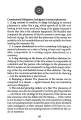
Commentorial Metaphors: Indulgence in sensual pleasures:
1. A pig content to wallow in dung: Indulging in sensual pleasures is …
This text delves into various metaphors that depict the indulgence in sensual pleasures as detrimental and unfu…
33
The Buddha's Teachings on Sensory Pleasures
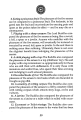
6. Eating a poisonous fruit: The pleasures of the five senses can be compared to a poisonous fruit. The hedonist, in his greed eats the fruit and must endure the ensuing pain an…
The Buddha uses various metaphors to illustrate the dangers of indulgence in sensory pleasures. He likens t…
34
Buddhist Teachings on Sensual Pleasures
used to rinse a toilet or the toilet bowl itself, which is soiled with excrement. He also compared the p…
In this text, the Buddha emphasizes the folly of indulging in sensory pleasures, likening them to dangerous paths and har…
36
The Hardships of Earning a Living
ways: for example, some are farmers, some run businesses, some tend dairy cattle, some are soldiers, some are civil servants, some are elephant trainers, some are hors…
This text discusses the various livelihoods people engage in, from farming to business and training animals, em…
37
The Dangers of Sensual Indulgence
If it happens that his wealth is taken away in taxes, or stolen by robbers, or damaged by fire or floods, or frittered away by fraudulent enemies then that person will be sorrowful…
This text discusses the sorrow and suffering resulting from the attachment to wealth and sensual pleasures, hig…
40
The Futility of Self-Mortification
Commentorial Metaphors: Self-mortification:
1. Sugar-cane juice and poison: It can be compared to a mixture of sugar-cane juice and poison. In the end such practices w…
…rs illustrating the perils of self-mortification. Comparing self-harm to poison, stale excrement, and dangerous leaps, it highlights the futility of such practices in alleviating suffering. Engaging wi…
41
The Noble Middle Way in Buddhism
sense of security, but in the end, he will surely take advantage of us and leave us decapitated in the jungle.
It is for all of these…
The text discusses self-mortification as a non-Buddhist and dangerous practice, as taught by the Buddha. It em…
42
The Noble Eightfold Path and the Factors of Enlightenment
kings must accept with obeisance. This is because the Noble Eightfold Path is a supreme and noble practice.
2. A Wide Ocean: It can be compared to the wide ocean into …
The Noble Eightfold Path is presented as a supreme practice in Buddhism, comparable to a vast ocean into which all rive…
44
Understanding Right Intention and Right Speech in Buddhist Practice
subtle defilements¹ [anusaya].
2.1 Right Intention (mundane): At low level Right Inten- tion means having th…
This text discusses key aspects of Buddhist practice, specifically focusing on Right Intention and Right Speech…