

E-V : ค้นหาหนังสือธรรมะ หน้า 100 / 138
หน้าหนังสือทั้งหมด
61
Meditation and Mindfulness Concepts
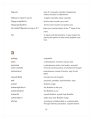
ให้ดูเลยๆ
look at it casually, naturally, impassively,
without emotion or attachment
Imagine naturally, easily, casually
let the merit nourish your mind
let the merit nourish and protect you
place you
เนื้อหานี้นำเสนอแนวคิดสำคัญเกี่ยวกับการทำสมาธิและการมีสติ โดยเน้นเรื่องคุณงามความดีที่ต้องบ่มเพาะในจิตใจ เรียนรู้ที่จะดูสิ่งต่างๆ อย่างผ่อนคลายโดยไม่ติด Attachment และความรู้สึก และแสดงความเคารพต่อพระ
66
คำศัพท์และแนวคิดเกี่ยวกับพระพุทธศาสนา
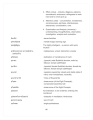
อินทรีย์ sense-faculties
อุคคหนิมิตต์ mental image; learning sign
อุคมุติปัญญน The highly intelligent -- a person with quick intuition
อุทิวงจากทุกจจะ
เนื้อหาเกี่ยวกับคำศัพท์ในพระพุทธศาสนาที่สำคัญซึ่งรวมถึงความเข้าใจเรื่องจิตใจ การฝึกสมาธิ การบรรลุธรรม โดยพิจารณาถึงความคิดเช่น อุเบกขา (Equanimity) ที่แสดงถึงความมีสติและความมั่นคงในสภาพจิตใจ นอกจากนี
71
Buddhist Cosmology and the Cycle of Rebirth
Buddhist Cosmology
Buddhists accept the view of the Universe that time is not linear but circular. Consequently, the Universe is not created out of nothing at a particular point, nor will it be compl
Buddhist cosmology views the universe as cyclical, with no creation or destruction at a single point in time. Beings are born into this cycle due to preceding causes (karma), leading to a process term
72
Understanding Nirvana and the Path to Enlightenment
Nirvana
Nirvana (Pali, Nibbanna) is the state of ultimate happiness -- the happy condition of enlightenment -- the highest spiritual attainment. This is not the sense-based happiness of everyday life;
Nirvana, or Nibbanna, represents the ultimate state of happiness in Buddhism, transcending the sense-based joys of daily life. Attaining Nirvana marks the end of the rebirth cycle, granting liberation
73
Understanding Dharma and Buddhist Practices
gratitude; there is life after death; heavens and hells exist, and enlightenment is attainable.
Dharma
*Dharma* (Pali, Dhamma) has many meanings: the Truth, the way of the Nature, the right way of l
Dharma, meaning Truth and the way of Nature, is central to Buddhism. Buddhists are guided by three main practices: doing good, avoiding evil, and purifying the mind through meditation. They adhere to
76
The Journey of Siddhartha: From Suffering to Enlightenment
The arrangement miscarried, however, for on the first three visits that Siddhatha made to the village he saw things that had a deeply traumatic effect on his over-protected consciousness. He was initi
This text traces the transformative journey of Prince Siddhartha in his quest for understanding suffering and achieving enlightenment. Over the course of several visits to the village, he encounters t
78
The Teachings of the Buddha
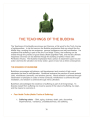
The Teachings of the Buddha
The Teachings of the Buddha are known as Dhamma, a Pali word for the Truth, the law of righteousness. In his first sermon the Buddha emphasized that one should live the Mi
The Teachings of the Buddha, known as Dhamma, emphasize the Middle Way, avoiding extremes of indulgence and self-mortification. Central to Buddha's teachings are the Four Noble Truths, which acknowled
79
Understanding Suffering and the Noble Eightfold Path
2. Origin of suffering - Suffering arises from attachment to desire, craving
(tanha). People themselves create this suffering by trying to cling on to
worldly pleasures.
3. Cessation of suffering - Su
This text discusses the origin of suffering, which stems from attachment to desire and worldly pleasures. It highlights that suffering ceases when such attachments are released. The Noble Eightfold Pa
82
Hiri-Ottapa: Understanding Shame and Fear of Wrongdoing
Hiri-ottapa – Shame and Fear of Wrongdoing
Hiri and ottapa are Pali words, meaning ‘shame of wrongdoing’ (hiri) and ‘fearful of the consequence of wrongdoing’ (ottapa). One who has hiri-ottapa is one
Hiri and Ottapa are pivotal concepts in Buddhism, representing the shame of wrongdoing and the fear of its consequences. Together, they foster a good moral conscience. Individuals devoid of these trai
87
Killing and Karma: Understanding Consequences
Killing – How bad is your Karma?
Not all killings are ‘equal’ in the sense of karmic consequence. The killing of humans is the most serious violation and receives the worst retribution. As for the ki
This text discusses how the karmic consequences of killing vary based on several factors, including the type and size of the animal, prior connections, and the intention behind the act. Killing humans
89
Understanding Karma and Retribution for Stealing and Sexual Misconduct
The amount of effort put into the stealing -- The more effort put into the stealing, the more serious the retribution.
According to the Law of Karma, all actions produce consequences, good or bad. Pu
การลงโทษจะต้องตรงกับอาชญากรรม อาชญากรรมการขโมยทำให้เกิดความทุกข์ให้ผู้อื่น ซึ่งการทำผิดที่ทำให้ผู้อื่นเดือดร้อนมากจะมีโทษที่รุนแรงกว่า อย่างเช่น ถ้าขโมยทำให้ผู้ถูกขโมยทุกข์ยากมาก จะถูกลงโทษหนัก เช่น อ
92
Understanding the Importance of the Fifth and Eight Precepts
- Loss of consciousness and sanity
Those who have made a serious breach of this precept will end up in hell or other unhappy realm. As humans, they will be born with mental illnesses, be retarded or
The text discusses the severe consequences of violating the Fifth Precept in Buddhism, leading to unhappiness and potential mental disorders in future lives. It emphasizes the benefits of adhering to
93
Understanding Merit and Its Impact on Life
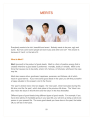
MERITS
Everybody wants to be rich, beautiful and smart. Nobody wants to be poor, ugly and dumb. But how come some people are born lucky and other are not? The answer is because of ‘merit’, or the lac
Merit is the product of good deeds and serves as a positive energy that can lead to being rich, beautiful, and smart. It encompasses virtue and goodness, influencing one's present and future based on
94
Understanding Merit and Demerit: The Law of Karma
The opposite of merit is demerit, or ‘sin’. Demerit is the product of bad deeds. Bad deeds cause ‘bad karma’. Demerit is a negative energy that is created when a bad deed is performed: mentally, bodil
The opposite of merit is demerit, representing the consequences of bad deeds which cause negative karma. Both good and bad deeds are governed by the Law of Karma, where actions determine outcomes in t
97
Ten Ways to Perform Good Deeds
Powerless - being jealous in others' success; having ill will
High social standing - being respectful to the virtuous; humble
Low social standing - being arrogant and disrespectful to the virtuous; la
This text outlines ten good deeds that enhance merit, including acts of giving, adherence to moral precepts, and mental cultivation through meditation. It emphasizes the importance of generosity in co
100
The Importance of Spiritual Wealth and Charitable Giving
No matter how many material possessions we may have accumulated, none of them can be taken with us upon our departure from this world. All of them will be left behind. The only possession we can take
No matter how many material possessions we have accumulated, we can only take our spiritual wealth with us. This wealth is built through merits which last through many lifetimes. In this brief discuss
102
The Importance of Pure Giving
- The giver is pure -- The more pure the giver the more merit he will receive in his giving. It is wise for the giver to practice at least the Five Precepts to achieve purity. Purify your mind to gain
The act of giving is enhanced by the purity of the giver. By adhering to the Five Precepts, one can achieve greater merit through donations. In today's world, balancing financial stability with the de
103
Understanding Meditation and Its Benefits
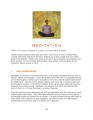
MEDITATION
"When I'm in peace, everyone is in peace, the world will be in peace."
Human beings consist of both body and mind. The mind is a form of energy which controls and sends sequels to the bra
Meditation serves as a crucial tool for mental development, enabling the mind to achieve stillness and clarity. Human beings are composed of body and mind, where a clear mind leads to good actions, wh
104
The Balance of Mind and Body
* What is a mind without a body? A ghost.
* What is a body without a mind? A corpse.
* The mind and body must function in good balance and harmony.
- A body with healthy mind = intelligent, alert, m
The text discusses the intricate relationship between mind and body, emphasizing that both must coexist in harmony for optimal functioning. It highlights the necessity of mental care akin to physical
107
How to Meditate
HOW TO MEDITATE
How to Meditate
Meditation is a state of ease, inner peace and happiness that we can bring into being, ourselves. It is a practice recommended by Buddhism for happiness, non-recklessn
การทำสมาธิเป็นวิธีการเก็บเกี่ยวความสงบและความสุขภายใน ที่สามารถทำได้ทุกคนโดยใช้เทคนิคจากพระมงคลเทพมุนี ซึ่งการเริ่มต้นทำสมาธิรวมถึงการตั้งจิตอุทิศตนให้กับพระรัตนตรัย และสะสมความดีเพื่อสร้างคุณธรรม ก่อ