

Multi-Culture : ค้นหาหนังสือธรรมะ หน้า 2 / 9
หน้าหนังสือทั้งหมด
73
Guidelines for Parents on Children's Television Viewing
watch television whenever they want. They must have a set
time for homework, reviewing lessons, reading and helping
with household chores. Parents must set proper schedules and
never allow the childre
เนื้อหานี้นำเสนอหลักการที่สำคัญสำหรับพ่อแม่ในการควบคุมการดูโทรทัศน์ของเด็กๆ การตั้งเวลาที่เหมาะสมสำหรับการเรียนและการทำงานบ้าน รวมถึงการเลือกโปรแกรมที่มีคุณค่าทางจริยธรรมและการศึกษา เช่น โปรแกรมที่เกี
11
Meditation Insights from Norway
Interview
:
to do meditation in Norway for 5 minutes a day, and
then when we are hooked, we will not stop. Then we
will do more.
Luang Por Certainly, when you get hooked, nobody can stop you.
It's up
In an interview, the speakers discuss how practicing meditation in Norway for just five minutes daily can lead to a deeper connection with the practice. Luang Por emphasizes that once someone gets 'ho
6
Introducing Thai Theravada Wisdom for All Cultures
Forward
When we want to introduce a new food item to the
population of a country, we have to adjust the seasoning
to fit the general tastes and flavor of the country that the
new food is for. It is no
This text discusses the adaptation of the original Thai Theravada Buddhist book, 'The Warm Hearted Family,' for a broader audience. It emphasizes that, similar to how pizza can be enjoyed by anyone, t
72
Raising Children with Morality
Part Two: Raising Children
with morality. Programs that are scary, frightening,
sexual, or that deal with revenge and killing should
not be watched. We should select the television
programs that promo
บทที่สองอภิปรายเกี่ยวกับการเลี้ยงดูเด็กในด้านคุณธรรม โดยแนะนำให้เลือกโปรแกรมโทรทัศน์ที่ส่งเสริมคุณธรรมและการพัฒนาทางปัญญา สื่อที่มีความรุนแรงหรือเกี่ยวกับการแก้แค้นควรหลีกเลี่ยง พ่อแม่ควรเป็นแบบอย่างท
18
Journey to Joy
Journey to Joy
18
one another yet. There are many barriers in
our communication, such as custom, tradition,
culture, language and geography. If we can
overcome these barriers and communicate to the
wo
In 'Journey to Joy', the text highlights the various barriers—such as customs, traditions, culture, language, and geography—that affect our communication. It emphasizes the need to overcome these obst
251
The Harmony of Thai Culture
Peace
brashness of youth thought ourselves to
be invincible... but alas, such was not
the case.
It was during that year, while stationed in
Thailand, that I came to know and love the Thai
people and t
In this reflective piece, the author shares their profound love for the Thai people and culture acquired during their time stationed in Thailand. The Thai way of life provided solace amidst war's chao
7
Wisdom of Luang Phaw: Sayings on Meditation and Life
Preface
This is a collection of some of the sayings given by Luang Phaw
the period 1988-2000. It must be said that this book is one of the
first examples of his work to appear in English. The book's c
This book features a compilation of sayings by Luang Phaw from 1988-2000, marking one of the first appearances of his teachings in English. Initially published in Thai as 'Kong Kwan' in 2000, the sele
73
Guiding Children's Television Viewing
watch television whenever they want. They must have a set
time for homework, reviewing lessons, reading and helping
with household chores. Parents must set proper schedules and
never allow the childre
เด็กๆ ควรมีเวลาในการทำการบ้านและช่วยงานบ้าน หลีกเลี่ยงการดูทีวีดึก เพราะจะนำไปสู่การนอนหลับไม่เพียงพอ ซึ่งอาจทำให้เกิดนิสัยไม่ดี เช่น การโกหกหรือไม่ไปโรงเรียน การเลือกสื่อที่มีคุณธรรมก็สำคัญเช่นเดียวก
30
Activities at YUWA CAMP
Here is the extracted text from the image:
---
Afternoon activity
On the first day of the camp, at 14.30, Yuwakalayanamitra either learn Buddhist culture or make and receive merits through cleaning.
At YUWA CAMP, participants engage in learning Buddhist culture or performing merit through cleaning. They enjoy sports like football and badminton during free time. A special board allows them to expr
26
Exploring the Tipiṭaka Manuscripts
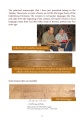
The palm-leaf manuscripts that I have just presented belong to the Tipiṭaka. These texts, or parts of texts, are in Pāli, the lingua franca of the Indochinese Peninsula. The versions in vernacular lan
The palm-leaf manuscripts presented belong to the Tipiṭaka, primarily in Pāli, the lingua franca of the Indochinese Peninsula. While the local vernacular translations like Thai emerged only in the ear
88
Overview of Theravāda Buddhist Manuscripts in China
I will give a brief overview of the manuscripts that have been
discovered and catalogued, an explanation of some current research
projects, and I will discuss some of the problems that threaten
China'
This document provides an overview of Theravāda Buddhist manuscripts found in China, particularly in Yunnan Province. It discusses the significance of these manuscripts within the Dai community and hi
92
The Role of Sa-Paper in Buddhist Manuscripts
are also certain exceptions to this. For example, Buddhist scriptures that are chanted daily are always copied on sa-paper manuscript for the convenience of page turning and reading. Secular literatur
Sa-paper, made by local artisans, serves as a practical alternative for copying both Buddhist and secular texts in Sipsong Panna. Although less symbolic than palm leaves, sa-paper's ease of use and du
96
The Imminent Extinction of Palm-Leaf Manuscripts in Sipsong Panna
III The Problem of the Imminent Extinction of Palm-Leaf Manuscripts in Sipsong Panna
Buddhism in Sipsong Panna is characterised by its manuscript culture. However, today the number of the palm-leaf m
This text discusses the worrying decline of palm-leaf manuscripts in Sipsong Panna, where Buddhist manuscript culture is rich but facing imminent extinction. Key reasons include the autonomous nature
97
Preservation of Palm-Leaf Scriptures in Dai Buddhism
donate palm-leaf scriptures as an act of merit and such donations
appear less frequently in the sacred dantam (贽坦) or offering
ceremony. Donors prefer to donate Buddhist scriptures printed
using mod
This text discusses the decline in donations of traditional palm-leaf scriptures in favor of more accessible and readable texts printed on Chinese and sa-paper. Reasons include cost, legibility, and t
138
Exploring Chinese Philosophical Texts and Their Influence
Kohn, Livia, and Yoshinobu Sakade. Taoist Meditation and Longevity Techniques. Center for Chinese Studies, University of Michigan, 1989.
Mair, Victor H. “What Is Geyi, After All?” In Philosophy and Re
This collection examines various texts that shed light on the development of Chinese philosophical thought and literary traditions. Works range from Livia Kohn's exploration of Taoist meditation pract
21
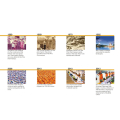
History of Wat Phra Dhammakaya
1969
Chaiyaboon was ordained into the monkhood at Wat Paknam and was named Ven. Dhammajayo Bhikkhu. He is now Abbot of Wat Phra Dhammakaya.
1969
Lady Prayad donated a 78-acre plot of land in Putatham
Wat Phra Dhammakaya's history began in 1969 with Ven. Dhammajayo's ordination, followed by crucial contributions such as Lady Prayad's land donation. Key milestones include the establishment of Buddha
65
Dhammakaya Temple: A Community of Peace and Meditation
The Dhammakaya Temple is more than just temple buildings. It is a community that exemplifies a culture of peace and non-violence where meditation comes first and material concerns come last.
Establis
The Dhammakaya Temple, established on February 20, 1970, embodies a culture of peace and meditation, prioritizing spiritual growth over material concerns. It features the largest meditation hall, capa
16
Understanding Boon and Generosity in Buddhism
be a sleeper!” He looks at me and almost winks. “We need to make boon continuously because, although we are born with boon, we don’t know how much we have when we are born. So we must continually make
In this enlightening dialogue, the necessity of creating 'boon' (goodness) continuously is discussed, emphasizing the intentional practices one must engage in to enhance their spiritual well-being. It
33
Understanding a Good Life: Insights from Luang Por
Meeting #4
29 February 2009 - Ashram
During the Peace Revolution Conference, the participants (who came from Africa, Australia, the United States, Europe, the Middle East, and Asia) were fortunate en
During the Peace Revolution Conference at the Ashram on February 29, 2009, participants from around the world gathered to hear Luang Por share his insights on living a good life. Despite the cultural
45
The Teachings of the Buddha: Understanding Enlightenment
Suzanne Jeffrey
why we are here and where do we go after death. So, we have some questions regarding His life: for example, why did he spend six years in self-mortification? Is the number six signifi
In this teaching, Luang Por discusses the significance of the Buddha's life and his journey towards enlightenment. Born into wealth and possessing unique qualities, the Buddha sought wisdom from an ea