

Self-Discovery : ค้นหาหนังสือธรรมะ หน้า 13 / 34
หน้าหนังสือทั้งหมด
15
Understanding the Role of Precepts in Buddhist Ordination
There are 227 precepts, which include rules, regulations, and traditions that serve as guidelines for those who are ordained. The precepts are tools that help define the differences between right and
The 227 precepts provide rules and guidelines for the ordained, defining right and wrong to help individuals strengthen their determination amidst life's challenges. They ensure that knowledge gained
23
The Path to Nibbana and the Challenges of Lay Life
dure six arduous years of self-mortification before discovering Niramisasukha. During this period, the Buddha came close to death more than once, but when he finally found true happiness, he chose to
After six years of self-mortification, the Buddha discovered Niramisasukha, close to death multiple times. He emphasized living by the Dhamma for true happiness, urging ordination to escape worldly po
60
The Benefits of Chanting
The Benefits of Chanting
1. Clarity of mind and mental focus while chanting
2. Promotion of a spirit of unity among those chanting
3. Helping to preserve tradition and to promote community spirit
4. H
Chanting offers numerous benefits including enhancing mental clarity and focus, fostering unity, and preserving the teachings of Lord Buddha. It can improve self-confidence and even aid in speech issu
63
The Importance of Reflection in Buddhist Practice
3. You must be reflective. Once you have finished consuming your meal, and have energy, you must ask yourself whether you have used the strength gained from your meal to focus on learning the Dhamma.
การสะท้อนความคิดช่วยให้เราเป็นคนที่ใส่ใจและขยัน ด้วยการฝึกสะท้อนตนเอง เราจะมีสติและตระหนักรู้ถึงการกระทำของเรา ซึ่งนำไปสู่ความชัดเจนในความคิดและความสามารถในการตัดสินใจที่ดีขึ้น การสะท้อนหลังจากรับประท
74
Reflecting on Buddhism and Discipline
Does it mean that our religion is not as good as we think it is? After I had the opportunity to visit those foreign countries, I realized that it is not that Buddhism that is bad, but the people. Thai
This text explores the realization that the shortcomings in Buddhism are not due to the religion itself but rather the practices of its followers. The author reflects on experiences in foreign countri
76
The Importance of Responsibility in Monastic Life
this all could have been avoided if you have the inclination to fix problems when they occur, rather than procrastinating. How can we avoid all these problems? When you become a monk you should yourse
This text discusses the importance of addressing problems promptly and the responsibilities of a monk, which include various temple duties. By being aware of what needs to be done and acting on it, mo
83
The Importance of Dhamma in Young Lives
into the wrong hands, then this will result in death and destruction. These are people who do not have Dhamma within them."
4. You will have the opportunity to improve your self-discipline. You will
This text emphasizes the importance of Dhamma for young people, urging them to cultivate self-discipline and teamwork. It highlights the benefits of meditation for inner peace, which enhances studies.
7
The Impact of Upbringing on Character Development
One day in first grade, Luang Por brought his best friend to his house. His father asked him what his friend's family name was, and after his friend had left, forbade him to associate or play with tha
This narrative illustrates the importance of a good upbringing as exemplified by Luang Por’s life. His father’s strict but wise teachings shaped his character, guiding him in choosing friends and reso
10
The Search for Knowledge and Freedom from Suffering
the day we lie on our deathbed, facing the reality of our mortal impermanence,
with all our fears returning to confront us once more.
Knowledge or wisdom that reveals the truth has and will always pr
When we confront our mortality, knowledge reveals truth and offers a path to peace. Ignorance leads to fear, prompting the pursuit of wisdom to alleviate suffering. We seek answers to life's fundament
13
The Cycle of Life and Kamma
lifetime without being able to do anything to promote their life's quality. This is quite difficult to understand so just be aware that animal is another form of punishment a human can be born into ba
This text examines the profound relationship between Kamma and human existence, illustrating how individuals might find themselves in cycles of rebirth based on their actions. It delves into how our b
14
Understanding Karma and Human Behavior
Introduction
of our actions having brought this suffering of disharmony into our lives and seek to address the causes that are creating and accumulating bad karma. And our accumulated karma designate
This text delves into the impact of our actions on accumulating karma and the subsequent effects on our lives and rebirth. It outlines the ten bodily conditions we face as we navigate life and the nec
16
The Virtues of a Good Teacher
holdes that knowledge. A good trainer must guide the pupil to utilize knowledge only in a positive and beneficial way. That way, knowledge will be useful not only for the one who possesses that knowle
A good teacher plays a pivotal role in guiding students to use knowledge positively. Essential qualities include understanding the ingredients to effective teaching, instilling good habits, and creati
19
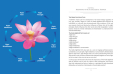
Understanding Body and Mind
CHAPTER 1
BODY AND MIND
UNDERSTAND ONESELF
To know and understand oneself as a human being is essential in the process of recognizing inbuilt weaknesses to be overcome and potential strengths that ca
Chapter 1 delves into the importance of understanding oneself, highlighting the distinction between human mental capacities and other creatures. It emphasizes the need for self-awareness in recognizin
25
The Impact of Selfishness and Bias on Society
Selfishness leads to suffering when each person thinks mainly about his or her own benefit rather than giving support, encouragement and material things to others. When problems occur in the family, g
Selfishness and bias lead to suffering when individuals prioritize self-interest over communal support. In families and communities facing problems, this behavior results in conflict. Bias manifests i
35
The Noble Eightfold Path for Successful Trainers
CHAPTER 4
BEGINNING TO BE A SUCCESSFUL TRAINER
THE NOBLE EIGHTFOLD PATH
A definitive master plan for development of all human beings regardless of race, age, sexuality, religion or creed, the Noble E
This chapter outlines the Noble Eightfold Path as an essential framework for trainers committed to personal and professional development. Each of the eight principles—right view, thought, speech, acti
29
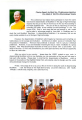
Closing Speech by Most Ven. Phrabhavanaviriyakhun
Closing Speech by Most Ven. Phrabhavanaviriyakhun
Vice Abbot of Wat Phra Dhammakaya Temple
This conference has helped every participant to have the same view that the dissemination of Buddhism in thi
ในการประชุมนี้ ทุกคนมีมุมมองเดียวกันว่า การเผยแผ่พระพุทธศาสนาในยุคเทคโนโลยีสูงนั้นต้องอาศัยชีวิตตามแนวทางของพระธรรม มีการเน้นการปรับปรุงตัวเองและแก้ไขพฤติกรรม ตามห้องทั้งห้าของชีวิต การทำเช่นนี้ทำให้เ
24
Empowering Yourself: The Journey to Self-Reliance
3. SAVE YOURSELF FIRST
We are like a small, helpless baby bird vulnerable to dangers. Save yourself from danger before thinking and worrying about saving others.
After I left home, I never looked back
This text emphasizes the necessity of prioritizing oneself before assisting others, likening individuals to vulnerable creatures that must first ensure their own safety. It recounts personal experienc
25
Teaching Yourself Cleanliness and Discipline
6. TEACH YOURSELF
We must learn how to teach ourselves. I never had to be taught by anyone, yet I know how to do everything on my own. I didn’t know how to read or write, but I observed and I learned
This text illustrates the concept of self-teaching through the author's experiences with cleanliness. Growing up in Nakorn Chaisi, the author learned to clean meticulously without being taught by anyo
28
DhaKma: Your Path to Self-Reliance and Prosperity
DHAKMA IS YOUR REFUGE
I see all the way through. I see clearly that, out of everything in this world and beyond-physical, natural, and spiritual- no one can help me but me.
Who else can relieve my suf
In this text, the author emphasizes the importance of self-reliance and personal responsibility in alleviating suffering. By turning to Dharma as a refuge, one can navigate life’s challenges. The key
68
Understanding Mundane and Transcendental Merit
92. ACQUIRE BOTH MUNDANE
& TRANSCENDENTAL MERITS
Addressing someone who wanted only to meditate and not participate in any mundane chores:
I acquire all forms of merit, mundane and transcendental. Mun
The text discusses the balance between mundane and transcendental merits in personal growth and meditation practice. Mundane merit is achieved through good deeds which contribute to self-development,