

Self-improvement : ค้นหาหนังสือธรรมะ
หน้าหนังสือทั้งหมด

60
4 Self เพื่อการพัฒนาตนเอง
๗๐
ทันโลกทันธรรม
เรื่อง : พระมหาสมชาย ฐานวุฑโฒ (M.D., Ph.D.) จากรายการทันโลกทันธรรม ออกอากาศทางช่อง DMC
4 Self
เพื่อการพัฒนา
ตนเอง
อยู่ให
วันนี้เราจะมาศึกษาเรื่อง 4 Self เพื่อการ
พัฒนาตนเอง ปัจจุบันมี
เรื่อง : พระมหาสมชาย ฐานวุฑโฒ (M.D., Ph.D.) จากรายการทันโลกทันธรรม ออกอากาศทางช่อง DMC 4 Self เพื่อการพัฒนา ตนเอง อยู่ให วันนี้เราจะมาศึกษาเรื่อง 4 Self เพื่อการ พัฒนาตนเอง ปัจจุบันมีหลักในการพัฒนาตัว

120
การสนทนาเกี่ยวกับอนัตตา
สนทนาธรรมยามว่าง ดวงธรรม
NOT-SELF - THE
DISTINCTIVE BUDDHIST
TEACHING
Tom : When talking about the Three Common
Characteristics of existence, I think that the first
two are not too hard for me.
But th
สนทนาธรรมยามว่าง ดวงธรรม NOT-SELF - THE DISTINCTIVE BUDDHIST TEACHING Tom : When talking about the Three Common Characteristics of existence, I think that the first two are not too hard for me. But th
118
Truth for the Family: Dhamma Teachings
…of mistrust. You will
walk proudly with respect all your life, and this is
what I have acquired.
2. Self-Improvement (dama): The second virtue is
to continually improve one's self. I have continued
improving myself p…
Part Five discusses essential virtues for householders taught in Dhamma, emphasizing truthfulness, self-improvement, and enduring hardships. Truthfulness (sacca) encourages honesty and accountability, fostering resp…
25
The Four Problems in Marriage
…a lack of self
control (dama). Often, one spouse will feel stagnate
while the other will strive for self-improvement.
This problem is not due to rigidity per se, but because
other family members are constantly adapti…
… lack self-control, leading to a halt in personal development and motivation. When one spouse seeks self-improvement while the other does not, it creates tension and dissatisfaction within the marriage. Overall, reco…
121
The Four Virtues of Self-Improvement
2. Self-improvement (Dama)
"The second virtue is to always improve oneself. I kept
improving myself professionally. Fro…
In this chapter, the author discusses the essential virtues for self-improvement and personal growth. The second virtue emphasizes the importance of continuous self-enhancement, ma…

24
คุณสมบัติของคนที่มีธรรมะสำหรับฆราวาส
…n terms of quality,
time, budget, and caring for the quality of mind.
2. Habit of self-training and self-improvement - The
study and research in various areas to improve one's
knowledge, ability, and virtue for conti…
…n terms of quality, time, budget, and caring for the quality of mind. 2. Habit of self-training and self-improvement - The study and research in various areas to improve one's knowledge, ability, and virtue for conti…

121
องค์ประกอบของบุคคลตามหลักพระพุทธศาสนา
because in the Buddhist analysis of personal
experience, a human being is composed of five
aggregates : form, sensation, perceptions, mental
formations, and consciousness.
From this analysis the self
because in the Buddhist analysis of personal experience, a human being is composed of five aggregates : form, sensation, perceptions, mental formations, and consciousness. From this analysis the self
121
The Four Virtues of Self-Improvement
2. Self-improvement (Dama)
“The second virtue is to always improve oneself. I kept improving myself professionally. Fro…
…discusses the four virtues that foster personal development. The first virtue emphasizes continuous self-improvement to advance one's career and resist vices. The second virtue focuses on enduring physical and mental…
128
Mappings with a Dharma Master
Mappings with a Dharma Master
we first start with our own individual self and then work outward in all directions.
“The six directions start with the smallest unit, ourselves. We are in the center o
…s and ethical behavior in shaping relationships and society. It emphasizes that one must start with self-improvement through meditation and compassion to influence others positively. The text argues that education is…
15
Self-Training and Endurance in Family Life
Those who have full knowledge, ability and goodness
must follow only this path in order to train themselves to keep
up with the world and its people, and not surrender to
defilements.
Surely, if you f
…ble environments, managing physical suffering, and navigating conflicts with others. The journey to self-improvement requires perseverance and a commitment to change, sometimes involving significant personal sacrific…
24
Dhamma for Laypersons and the Four Levels of Beauty
… terms of quality, time, budget, and caring for the quality of mind.
2. Habit of self-training and self-improvement – The study and research in various areas to improve one’s knowledge, ability, and virtue for conti…
A person who follows the Dhamma for Laypersons exhibits four habits: responsibility, self-training, endurance, and sacrifice. These traits ensure self-reliance and leadership within families. In marri
14
Building a Trustworthy Family
involvement with this distrustful person. Good people will not
want to befriend dishonest people because they do not want to
gain a bad reputation through association.
So if a person in a family does
The text emphasizes that honesty and self-control are essential for a trustworthy family environment. Good people avoid associations with dishonesty. A family lacking truthfulness cultivates suspicion
14
Building Strong Family Foundations Through Truthfulness and Self-Control
involvement with this distrustful person. Good people will not want to befriend dishonest people because they do not want to gain a bad reputation through association.
So if a person in a family does
This text discusses the importance of truthfulness (sacca) and self-control (dama) in family dynamics and personal growth. It emphasizes that individuals with a lack of truthfulness can create distrus
62
Understanding Buddhist Concepts: Key Terms and Definitions
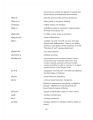
phenomena; outside the sphere of natural law; supernatural (unexplainable phenomena)
อดิษฐาน past life; previous life; previous existence
อทินนนทาน taking what is not given; stealing
อทุกขมสุข neither
This text presents key Buddhist concepts such as 'อนัตตา' (non-self), emphasizing that there is no lasting essence, only the illusion of self that causes attachment. It discusses 'อนิจจตา' (impermanen
39
Understanding Self-Mortification in Buddhism
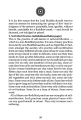
It is for this reason that the Lord Buddha should want to start his sermon by instructing the ‘group of five’ that indulgence of the senses is unsuitable, base, ignoble, without benefit, unsuitable fo
In this text, Lord Buddha teaches that indulgence of the senses is unsuitable for a Buddhist monk and should be avoided. The practice of self-mortification, common among non-Buddhist ascetics, include
237
Exploring Concepts of Buddhist Mythology
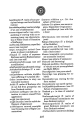
Asaññisatta (P. realm of non-per- ayatana nibbāṇa q.v. (lit. the recipient beings: see form Brahmā sphere of Nirvana realms) āsavakkhayañāṇa (see knowledge of an end of defilements) ayatana (lit. sphe
This text delves into intricate Buddhist concepts such as Asaññisatta, the realm of non-perception, and its relation to Nibbāṇa, highlighting essential terms like bhāvanā (development), and defilement
30
Untitled
28 : Universal Goodness
Without bearing in mind the true purposes of one's clothing,
one tends to buy clothing articles on impulse and without thought.
One tends to follow the latest fashion trends i
No summary can be generated due to lack of content.
35
The Noble Eightfold Path for Successful Trainers
…ness
8 Right meditation or concentration
The Noble Eightfold Path also leads to a cycle of ongoing self-improvement. Considered as a circular path, 'right meditation or concentration' ultimately leads again to 'righ…
…action, livelihood, effort, mindfulness, and meditation—interconnects to promote a cycle of ongoing self-improvement. The path emphasizes the importance of understanding and practicing these principles in a principle…
9
When the Sun Sets
… their supporters. Interaction with other people and the commitment to teach was the touchstone for self-improvement used by the town monks. Forest monks, on the other hand, used nature as the touchstone for self-imp…
In this chapter, we delve into the significant literary themes that emerge during the twilight hours. The sunset symbolizes endings and reflections, creating a unique atmosphere that writers often emp

121
คุณธรรมสำหรับฆราวาส
2. Self-improvement (Dama)
"The second virtue is to always improve oneself. I kept
improving myself professionally. Fro…
2. Self-improvement (Dama) "The second virtue is to always improve oneself. I kept improving myself professionally. Fro…