

When the Sun Sets : หน้า 9/163
The life and times of Luang Phaw Wat Paknam : หน้า 9/163 An exploration of the themes and motifs used in literature during twilight hours.
0 ครั้ง
สรุปเนื้อหา
In this chapter, we delve into the significant literary themes that emerge during the twilight hours. The sunset symbolizes endings and reflections, creating a unique atmosphere that writers often employ to convey deeper meanings. As we analyze various texts, we observe how the transition from day to night can mirror characters' emotional journeys and life changes. The interplay of light and darkness serves as a powerful metaphor. Despite challenges faced, there is beauty in the endings, pushing us towards hopeful beginnings. This exploration offers insights into the creative process and the symbolism of sunsets in literature. For further reading, visit dmc.tv.
หัวข้อประเด็น
-Literary Themes
-Symbolism of Sunset
-Emotional Journeys
-Transition from Day to Night
-Reflection and Endings
ข้อความต้นฉบับในหน้า
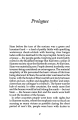
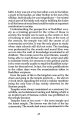
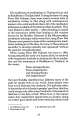
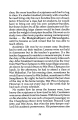
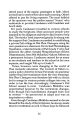
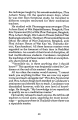
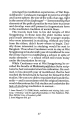
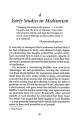
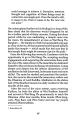
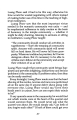
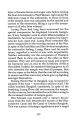
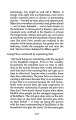
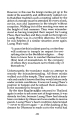
lay community which they had to honour, principally
teaching. Town monks were always in the public eye, and
instead of being enticed by the temptations of the outside
world, often found themselves forced to be stricter than
their fellow monks in the forest who had considerably
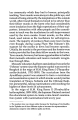
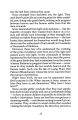
more insulation from the high expectations of their supporters. Interaction with other people and the commitment to teach was the touchstone for self-improvement used by the town monks. Forest monks, on the other hand, used nature as the touchstone for self-improvement. The majority of monks in Siam were town monks even though, during Luang Phaw Wat Paknam's life, support for the monks in town had become sporadic. Usually, the monks in the provinces and the forests were better provided for than their fellow monks in the town. Town monks, however, had more opportunities to further their monastic education and receive monastic recognition through titles.
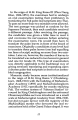
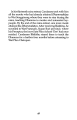
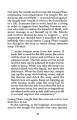
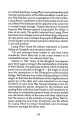
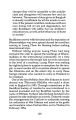
Monastic education had been standardized towards the 'Pahrean' system since the Siamese capital was moved to Bangkok in the reign of H.M. King Rama I (Phraputha-yodfa-chulalok, 1782-1809). The curriculum from the Ayuddhaya period was retained to form a curriculum and examination system in which monks would practise translation of Vinaya, Suttanta and the Ultimate Realities [paramattha], taking examinations until reaching the highest of three levels of advancement.
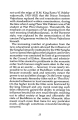
In the reign of H.M. King Rama II (Phrabuddha-lertla-naphalai, 1809-1824), the Supreme Patriarch revised the educational system to create a nine-tiered examination system with examinations held every year.
Tags : #literature #twilight #themes #motifs #sunset
หน้าหนังสือทั้งหมด
1
2
3
4
5
6
7
8
9
10
11
12
13
14
15
16
17
18
19
20
21
22
23
24
25
26
27
28
29
30
31
32
33
34
35
36
37
38
39
40
41
42
43
44
45
46
47
48
49
50
51
52
53
54
55
56
57
58
59
60
61
62
63
64
65
66
67
68
69
70
71
72
73
74
75
76
77
78
79
80
81
82
83
84
85
86
87
88
89
90
91
92
93
94
95
96
97
98
99
100
101
102
103
104
105
106
107
108
109
110
111
112
113
114
115
116
117
118
119
120
121
122
123
124
125
126
127
128
129
130
131
132
133
134
135
136
137
138
139
140
141
142
143
144
145
146
147
148
149
150
151
152
153
154
155
156
157
158
159
160
161
162
163
หนังสือที่เกี่ยวข้อง
Load More