

non-thinking : ค้นหาหนังสือธรรมะ หน้า 2 / 25
หน้าหนังสือทั้งหมด

176
การทำความดีและผลกรรม
5
"Bhikkhus, my duties that are of benefit and support to
you are now complete. I now wish to remind you that the
nature of all living creatures is impermanence and
degeneration. Thus, you should cont
"Bhikkhus, my duties that are of benefit and support to you are now complete. I now wish to remind you that the nature of all living creatures is impermanence and degeneration. Thus, you should contin
19
The Importance of Sacrifice in Marriage
own personal desires, and the husband and wife do not combine
their incomes from the beginning, that means that one is
preparing go one's separate way from the start because neither
person is thinking
Marriage requires mutual dependence and sacrifice between partners. Couples should consider their ability to support each other emotionally and financially, especially during illness or hardship. Self
155
Understanding Death and the Purpose of Life
do not know when we are going to die. We must sooner or
later be separated from all loved ones and treasured things.
How can people think about death?
1. Thinking about death with the false view: Thin
This text explores the dual perspectives on death: one as a mere inevitability leading to despair, and the other as a motivator for a purposeful life. It emphasizes the cultivation of good deeds and m
10
The Battle of the Mind: Choosing Peace over Temptation
A
Chapter 2
Peace, and War,
Begins in the Mind
simple trip to the supermarket can provide
an illustration of how the human mind is
constantly at war within itself. Delicious junk food
calls out to us
This chapter delves into the internal struggle of the human mind, illustrating the conflict between desires and conscience, particularly when it comes to food choices. The narrative highlights how our
298
Journey to Joy: Achieving Mindfulness through Mantras
Journey to Joy
298
such as "clear and bright, clear and bright, clear
and bright". Recite the mantra continuously,
whilst thinking of the bright sun, gently and
comfortably. Focus your mind and be sti
This text explores the practice of mantra meditation, particularly the repetition of 'clear and bright', to achieve mental stillness. It emphasizes visualizing a bright object like the sun while recit
19
Understanding the True Essence of Marriage
own personal desires, and the husband and wife do not combine their incomes from the beginning, that means that one is preparing go one's separate way from the start because neither person is thinking
The text discusses the misconceptions surrounding marriage, highlighting the need for couples to prioritize mutual support and understanding over personal desires. It stresses that marriage entails si
155
Reflections on Death: Cultivating Merit and Purpose in Life
do not know when we are going to die. We must sooner or later be separated from all loved ones and treasured things.
How can people think about death?
1. Thinking about death with the false view: Th
In contemplating death, there are varied perspectives. The false view neglects merit and life’s purpose, while the right view emphasizes the importance of good deeds before we die. Life’s ultimate goa
14
Creating Boon through Meditation and Right Actions
"How do we generate, or create, boon?" I ask.
Luang Por says: "Suppose you see evil. As soon as you decide to do nothing about it, or as soon as you decide to do something about it, boon happens. To
In this enlightening discussion, Luang Por explains the process of generating boon, emphasizing the importance of separating actions into three categories: giving up bad habits, performing good deeds,
49
Understanding the Eightfold Path in Buddhism
Suzanne Jeffrey
"The path begins with Right View, Samma-Ditthi. This is also called Right Understand-
ing. On one level, this means that we understand that there is cause and effect: that do-
ing goo
The text outlines the initial parts of the Eightfold Path in Buddhism, emphasizing the importance of Right View, which differentiates good and bad actions based on cause and effect. Right Intention is
119
Exploring the Unknown Factor and the Eightfold Noble Path
Suzanne Jeffrey
"The students you are teaching now will be the politicians when you retire. If you do not teach them properly, then who is to blame? We are!! We are to blame because we are probably n
The content emphasizes the responsibility of educators to guide students, as they will shape the future. It discusses various perceptions of the Unknown Factor, including Nibbana, God, and Supreme Kno

31
ความคิดเห็นเกี่ยวกับกิจกรรมของวัดพระธรรมกาย
Mr. Alfredo
1. So far you have learned
about the activities of Wat
Phra Dhammakaya and
Dhammakaya Foundation,
how do you feel? What
are your comments and
suggestions?
THE INAUC RAL OPE INC OF
THE DHA
Mr. Alfredo 1. So far you have learned about the activities of Wat Phra Dhammakaya and Dhammakaya Foundation, how do you feel? What are your comments and suggestions? THE INAUC RAL OPE INC OF THE DHA
7
Understanding the Mind in Thai Culture
"this or that", "black or white", with no gray area, as the
locals find this logic easy to grasp and put into practice. In
addition, Thai culture and language has a relatively large
amount of words an
This text discusses the simplicity of dualistic thinking in Thai culture and the rich linguistic resources that explain human cognition. It emphasizes that terms often linked to Buddhism should be tre
34
Understanding the Three Characteristics of Existence
When we receive fortune, prestige, recognition or happiness,
our minds will remain calm, not overwhelmed or attached.
A person who is aware of suffering and happiness has
trained the mind to be as sta
This text elaborates on the Three Characteristics: impermanence, suffering, and non-self, as fundamental truths of existence in Buddhism. It highlights how fortune, prestige, and happiness are tempora
175
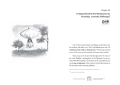
Training Oneself in Non-Recklessness through Austerity
Chapter 40
Training Oneself in Non-Recklessness by
Practicing Austerity (Dhutanga)"
Life is full of uncertainties and danger awaits those who
are reckless with their lives. The Lord Buddha once said,
本章探讨了如何通过修行苦行来培养非轻率的心态。佛陀教导说,轻率的人就像死去的人。通过苦行,人们可以学习更加小心翼翼地生活。佛陀在传播法教过程中,总共给予了84000个教导,其核心在于非轻率,这是他在入涅槃前对弟子们的最终教诲。
176
The Importance of Carefulness in Buddhism
"Bhikkhus," my duties that are of benefit and support to
you are now complete. I now wish to remind you that the
nature of all living creatures is impermanence and
degeneration. Thus, you should conti
In Buddhism, carefulness is essential for maintaining virtue and reducing the chances of misconduct. As beings with limited lifespans, it is vital to perform wholesome actions. The state of mind influ
36
Golden Age of Inner Peace
36
36
Golden Age of Inner Peace
of life. Although the late Mr. Alfred Nobel left this
world many decades ago, his great vision and his
much admired work live on to this day because of
the Nobel family
The late Alfred Nobel's vision lives on through the ongoing work of the Nobel family and the Nobel Foundation, symbolizing achievements in peace and humanity. The Dhammakaya Temple and Foundation expr
130
Systematic Training Programme for Spreading Buddhism
The Systematic Training Programme for Spreading Buddhism began in 1999-2007, with a total of 71 classes completing the Programme. There have been 8.090 monks from 5.833 temples, from across the countr
The Systematic Training Programme for Spreading Buddhism, initiated from 1999 to 2007, has successfully trained 8,090 monks from 5,833 temples across Thailand, promoting the teachings of the Buddha. T
6
The Teachings of Luang Phaw Dhammajayo
immersing himself in the study and practice of the
Buddha's pure teachings. For almost 40 years, he
has always emphasized to the thousands of those
who follow his teachings at the Dhammakaya
Temple, b
Luang Phaw Dhammajayo has dedicated nearly 40 years to promoting the Buddha's teachings, asserting that true world peace originates from inner peace. He emphasizes everyone's role in enhancing humanit
34
Understanding the Three Characteristics of Existence
When we receive fortune, prestige, recognition or happiness,
our minds will remain calm, not overwhelmed or attached.
A person who is aware of suffering and happiness has
trained the mind to be as s
This text discusses the importance of understanding the Three Characteristics of existence: Impermanence, Suffering, and Non-self. It emphasizes that fortune, prestige, and happiness are temporary and
59
Understanding Dhamma and Nibbāna
The parallel usage of dhammakāya and dhammabhūta with brahmakāya and brahmmabhūta suggests further that the term dhamma in the passage should refer to Nibbāna. Indeed, it is possible also to say that
This study delves into the concepts of dhamma and Nibbāna, positing that dhamma refers to transcendental dhamma, which serves as a transformer and defilement eradicator. It explores how the realizatio