

one-pointedness : ค้นหาหนังสือธรรมะ หน้า 101 / 126
หน้าหนังสือทั้งหมด
32
The Complete Teacher: Integrating Academic Excellence and Dhamma in Education
Chapter 3
directly and indirectly so that students can understand and learn thoroughly. This requires trainers who have not only the first level of wisdom, which is from memorization, but also from t
บทนี้อธิบายถึงความสำคัญของครูในฐานะที่เป็นแบบอย่างและการผสมผสานความรู้ทางวิชาการเข้ากับธรรม เพื่อช่วยให้นักเรียนเติบโตเป็นคนดี เนื้อหายังกล่าวถึงระดับความเข้าใจที่พระพุทธเจ้าสอนเกี่ยวกับชีวิต สี่ขั้นต
40
Right Concentration and the Noble Eightfold Path
Right Concentration — Leads to Understanding and Knowledge Retention
Consciousness that is still and concentration are so closely related that they can be considered to be one and the same.
Students w
Concentration and stillness of consciousness are vital for academic success and personal growth. Practicing meditation enhances students' understanding and respect for learning. The Noble Eightfold Pa
42
The Importance of Home in Education
Life is spent largely in a combination of just these few rooms, save for a little time spent travelling here and there.
The bedroom is a suitable environment to introduce to the pupil ways to cultiva
This text discusses the significance of home settings in educating young pupils. It emphasizes that the bedroom serves as a place for nurturing awareness and prayer, while the bathroom teaches hygiene
44
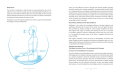
The Importance of Meditation in Daily Life
METEATION
The practice of meditation in daily life leads to understanding the value of the right view. Those who do not easily have an understanding of the right view are easily overcome by kilesa. Wi
การทำสมาธิในชีวิตประจำวันช่วยให้เข้าใจคุณค่าของมุมมองที่ถูกต้อง ผู้ที่ไม่มีความเข้าใจในมุมมองที่ถูกต้องได้ง่าย มักถูกคilesa มีชัย ด้วยมุมมองที่ถูกต้องทำให้สามารถรู้จักตัวเองและอุปสรรคที่ต้องเอาชนะเพื่
45
The Importance of Moral Education in Teaching
Only with moral education can human beings eliminate conflicts, selfish and greedy tendencies and practices so that man may truly coexist with mindful and peaceful consideration for each other. This s
This text emphasizes the necessity of moral education to eliminate selfish and greedy tendencies, enabling peaceful coexistence. It discusses the role of various types of teachers—parents, school teac

1
We Are One
World Buddhist Sangha Youth
The 4th WBSY GENERAL CONFERENCE
11th - 17th December 2007
at Wat Sanghathan - Wat Phra Dhammakaya, Thailand
5
The Harmonious Teachings of Buddhism for a Peaceful World
Most Ven. Zhi-ji Ahdharman Buddha
The Patriarch of Bhagawan Gu Fan Mi Chiness Han Transmission
Thatrayana Buddhism
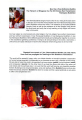
"The World Buddhist Sangha Youth is like the sun rising at the early dawn in the eas
The World Buddhist Sangha Youth symbolizes a rising force within Buddhism, promoting harmony and unity across various traditions such as Theravada, Mahayana, and Tantrayana. The teachings conveyed emp
12
A Dhamma Lecture
"The Protection of Buddhism"
in an Age of High Technology
By Phrabhavanaviriaykhun
Room SPD 7, the Dhammakaya meditation Hall
Saturday, December 15, 2007
9 :00 to 10 :45
at the
18
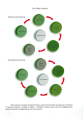
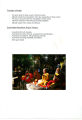
Our Daily Conduct in Different Rooms
Our Daily Conduct
Morning to Evening
Bed room
Bath room
Kitchen room
Dressing room
Work room
Each Person
Evening to morning
Work room
Bed room
Bath room
Each Person
Kitchen room
Dressing room
Each pe
This content examines how individuals conduct themselves in different rooms throughout the day, highlighting the significance of each space—bedroom, bathroom, kitchen, dressing room, and work room—in
20
Formation of Habits
Formation of Habits
• The work which is done in each of the five rooms
• Attitude toward the consumption of the four necessities in these rooms
• The way to consume the four necessities in these rooms
The text discusses the formation of habits across five key areas of life, emphasizing proper training for cultivating good habits. It highlights attitudes towards necessities and living together, as w
23
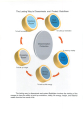
The Lasting Way to Disseminate and Protect Buddhism
The Lasting Way to Disseminate and Protect Buddhism
Working Room
To build up wealth
Bed Room
To build up motivation
Bath Room
To build up vitality
Dining Room
To build up life energy
Dressing Roo
The text discusses the enduring methods for disseminating and safeguarding Buddhism by training individuals to cultivate motivation, vitality, life energy, insight, and material wealth in the context
28
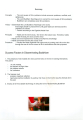
Understanding the Root Causes of Life's Problems through Buddhism
Summary
Concepts - The root causes of life's problems include economic problems, conflicts, and defilements
- The Lord Buddha's Teachings aim to correct the root causes of life's problems
- Buddhism c
This text discusses the root causes of life's problems, including economic issues, conflicts, and mental defilements, proposing that the Teachings of the Lord Buddha offer comprehensive solutions. By
24
Empowering Yourself: The Journey to Self-Reliance
3. SAVE YOURSELF FIRST
We are like a small, helpless baby bird vulnerable to dangers. Save yourself from danger before thinking and worrying about saving others.
After I left home, I never looked back
This text emphasizes the necessity of prioritizing oneself before assisting others, likening individuals to vulnerable creatures that must first ensure their own safety. It recounts personal experienc
31
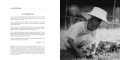
Born Alone, Die Alone
16. BORN ALONE, DIE ALONE
We were born alone and we will die alone.
There is no need to worry about others if we can't even save ourselves.
If we can't save ourselves, and don't have a firm grip on o
Life is fleeting and solitary; focus on saving oneself before aiding others. With the knowledge of Buddhism, one must act promptly to reap its benefits or risk a wasted life. Achieving Perfections and
34
Hurry On: Embrace Life's Journey
HURRY ON
You are young. You are strong. Row your boat as hard as you can. Hurry and
continue to row on. Don’t be bothered if others slow down. For us, we must
make the best of our own life.
This passage urges individuals to take action in their lives, emphasizing the importance of striving for goodness and remaining steadfast in their pursuits. It highlights the belief that this life is
36
Priceless Treasure and the Importance of Merit
25. PRICELESS TREASURE
At this moment I’m still healthy; let me tell you what is on my mind. Remember
my words.
I’m giving you an invaluable treasure. Please take good care of the treasure
that I’m
เนื้อหาเน้นถึงความสำคัญของการดูแลสุขภาพจิตและการสร้างบุญเพื่ออนาคต เชิญชวนให้ทุกคนไปวัดเพื่อสะสมบุญก่อนที่จะสายเกินไป และการเก็บรักษาเจตนาบริสุทธิ์ของตนเอง ก่อนการก่อสร้างวัดที่มอบให้แก่ชุมชน โดยถือว่
39
The Essence of Modesty and Virtue
30. BE MODEST
I'm not the ambitious type. I don't want to be popular nor famous like others. This has been a characteristic of mine for a long time.
When I lived at Wat Paknam and practiced high-leve
This text reflects on the values of modesty and the pursuit of virtue through consistent good deeds. The author shares experiences from their time at Wat Paknam, where humility and quietude were key t

48
Knowledge Beyond Description
KNOWLEDGE BEYOND DESCRIPTION
I have continuously performed virtuous deeds for many decades. I practiced super-advanced meditation directly with Luang Por Wat Paknam endlessly. I absorbed the knowledge
เนื้อหานี้นำเสนอความรู้เกี่ยวกับการทำสมาธิอย่างลึกซึ้งที่ได้รับจากหลวงพ่อวัดปากน้ำ ผู้บรรยายได้เน้นถึงการทำความดีและการสูญเสียศักยภาพที่อยู่ภายใน ตัวอย่างหนึ่งคือพื้นที่ 200 ไร่ที่มอบให้กับศูนย์พุทธธร
54
The Importance of Meditation and Attaining Dhamma
58. THE MOST IMPORTANT DUTY
Our perseverance in meditation should grow stronger every single day of our lives. Before I attained Dhamma*, I kept myself mentally focused at all times, whether I was sit
Meditation is emphasized as essential for achieving Dhamma, the ultimate goal in life. The text discusses the author's dedication to meditation, detailing how consistent practice leads to a purified m
56
Meditation for Clarity and Caution
64. MEDITATION HELPS
Addressing an engineer:
If you run into a mental block in regards to your work, find a tranquil place to sit down and meditate. Put your mind along with thoughts about your work a
Meditation can serve as a powerful tool for addressing mental blocks and enhancing clarity in both personal and professional environments. By finding a tranquil place to meditate, individuals such as