

The Dhammakaya Tradition and Luang Phaw Wat Paknam : หน้า 104/263
The Buddha’s First Teaching : หน้า 104/263 Explore the legacy of Luang Phaw Wat Paknam and the Dhammakaya Tradition in Buddhism, highlighting its teachings and significance.
0 ครั้ง
สรุปเนื้อหา
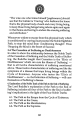
The practice of the Middle Way leads to various levels of Buddhist sainthood according to individual potential. Luang Phaw Wat Paknam, the prominent monk who discovered the Dhammakaya Tradition, is revered in Thailand and beyond. His story is one of dedication and transformation, transitioning from a mundane working life to becoming a monk at age twenty-two. His commitment to Buddhist studies and meditation culminated in the discovery of the Dhammakaya Tradition, which he taught as a method for attaining enlightenment. His teachings include the profound concepts of āyatana-nibbāna and dhammakāya, foundational elements found in Buddhist scriptures yet often not thoroughly explained. Even decades after his passing, his influence persists in Thai and Chinese communities, signified by his enduring presence in homes and workplaces. For more information, visit dmc.tv.
หัวข้อประเด็น
- Dhammakaya Tradition
- Luang Phaw Wat Paknam
- Buddhist Sainthood
- Meditation Practices
- Historical Influence in Buddhism
ข้อความต้นฉบับในหน้า
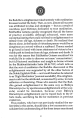
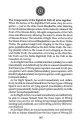
practice of the Middle Way until attaining levels of Buddhist
sainthood according to their potential. All the evidence that
is left by some Buddhist saints is their scriptural testimo-
nies, but some are still around, even to the present day.
The Noble Monk who discovered the Dhammakaya Tradition
Phramongkolthepmuni, (Luang Phaw Wat Paknam Bhas-
charoen) is well known and respected by all Buddhists in
Thailand and beyond. Even though it is several decades since
his death, his picture still hangs in innumerable homes and
workplaces of those in the Thai and Chinese communities.
The tales of the powers and sanctity of Luang Phaw Wat
Paknam which he used to help his followers still abound.
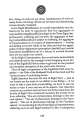
Luang Phaw Wat Paknam heir from Supanburi prov-
ince in Thailand and before ordaining was known as Sodh
Mikawnoi. He became disgusted with the superficiality of
his working life and at the tender age of twenty-two com-
mitted himself to lifelong ordination as a Buddhist monk.
He dedicated himself to Buddhist academic studies until he
felt that the educational resources at his home temple in
Songpinong, Supanburi were limiting him. He continued
his studies in Bangkok — academic studies and also
meditational studies, the latter for which he trained with
the utmost strictness. The Dhammakāya Tradition is what
he discovered as the result of all his efforts.
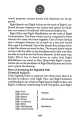
In his sermons, Luang Phaw Wat Paknam explained that
the Dhammakāya Tradition (i.e. the method for attaining
Dhammakāya) is what the Lord Buddha used in the train-
ing of sentient beings from the earliest days of his dispensa-
tion. Even the teachings on *āyatana-nibbāna* and
*dhammakāya* which are prominent features of the
Dhammakāya Tradition, are present in the Buddhist scrip-
tures, but they are not sufficiently well explained in the com-
หน้าหนังสือทั้งหมด
1
2
3
4
5
6
7
8
9
10
11
12
13
14
15
16
17
18
19
20
21
22
23
24
25
26
27
28
29
30
31
32
33
34
35
36
37
38
39
40
41
42
43
44
45
46
47
48
49
50
51
52
53
54
55
56
57
58
59
60
61
62
63
64
65
66
67
68
69
70
71
72
73
74
75
76
77
78
79
80
81
82
83
84
85
86
87
88
89
90
91
92
93
94
95
96
97
98
99
100
101
102
103
104
105
106
107
108
109
110
111
112
113
114
115
116
117
118
119
120
121
122
123
124
125
126
127
128
129
130
131
132
133
134
135
136
137
138
139
140
141
142
143
144
145
146
147

148
149
150
151
152
153
154
155
156
157
158
159
160
161
162
163
164
165
166
167
168
169
170
171
172
173
174
175
176
177
178
179
180
181
182
183
184
185
186
187
188
189
190
191
192
193
194
195
196
197
198
199
200
201
202
203
204
205
206
207
208
209
210
211
212
213
214
215
216
217
218
219
220
221
222
223
224
225
226
227
228
229
230
231
232
233
234
235
236
237
238
239
240
241
242
243
244
245
246
247
248
249
250
251
252
253
254
255
256
257
258
259
260
261
262
263
หนังสือที่เกี่ยวข้อง
Load More