

one-pointedness : ค้นหาหนังสือธรรมะ หน้า 102 / 126
หน้าหนังสือทั้งหมด
64
The Importance of Merit in Buddhism
79. COME REAP YOUR MERIT
Invite your friends to come and reap merit at the temple. I feel pity for them, fearing that they may find themselves erroneously trading into an unhappy realm. Persuade them
This text discusses the concept of merit in Buddhism, illustrating its importance for spiritual success and future lives. It encourages individuals to invite friends to perform merit-making activities
65
ทำบุญและใช้บุญอย่างถูกทาง
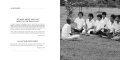
83. MAKE MERIT AND USE
MERIT IN THE RIGHT WAY
In order to establish the Buddhadak Center, I had to fight all of the time. Initially it was with the boat thieves. Even now, there is always something to
การสร้างบุญและเรียนรู้ที่จะใช้บุญอย่างถูกวิธีเป็นสิ่งที่สำคัญ ในการตั้งศูนย์พุทธธรรม ฉันต้องต่อสู้เพื่อรักษาหัวใจให้บริสุทธิ์ โดยการคิดถึงบุญที่ได้สร้างในอดีต ปัจจุบัน และอนาคต ทำให้มีแรงสู้ต่อไป การส
71
Old Merit, New Merit
100. OLD MERIT, NEW MERIT
I have pity for both the rich and the poor. Rich people are well off because they have “old” merit from their past lives to support them. However, if they don’t produce “new”
This text discusses the concept of merit, highlighting the importance of accumulating both old and new merit for future lives. It emphasizes that while rich people benefit from old merit, they risk fa
74
Understanding Merit and Its Impact on Life
106. HELP FROM MERIT
A layperson asked if she ran into obstacles and was far away from me, what she should do to get help from me (through my power of virtue).
I advised her to recall the virtues from
This text offers insights into the power of merit and how it helps individuals overcome obstacles and achieve success. It emphasizes that the virtues gained from good deeds can assist in difficult tim
85
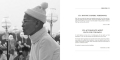
Conquer Mara with Goodness
127. CONQUER MARA WITH GOODNESS
Throughout my life I have done nothing but good deeds. I will keep doing so
to further the purity of my body, speech and mind. This goodness will help
me overcome the i
The text discusses the importance of maintaining purity in body, speech, and mind to overcome the negative influence of Mara. The author emphasizes making resolutions to stay on the path of goodness,
87
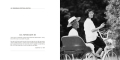
Surrounding Yourself with Capable Personnel and Continuous Merit-Making
131. HAVING CAPABLE PERSONNEL
May I be surrounded with good and capable personnel. Even if they are few,
may they all be ones who are wise, virtuous and capable, able to complete
tasks with excellence
The text emphasizes the necessity of being surrounded by capable and virtuous personnel, recognizing that even a few wise individuals can enhance one's success. Additionally, it discusses the concept
92
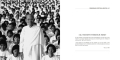
Overcoming Obstacles with Determination
I never give in obstacles. I always strive ahead with determination. I will try every which way to accomplish my goals.
One day I fell in and could not even move my legs, but my will was strong. I wa
This narrative illustrates the importance of never giving up in the face of challenges. The author recounts a personal experience of falling and feeling paralyzed but emphasizing the indomitable will
94
Triumph Through Merit
146. TRIUMPH THROUGH MERIT
On the outside it may appear that I have surrendered to my foes. But on the inside my conviction remains as strong and unwavering as ever. Instead of using words, I fight wi
In this contemplative piece, the author shares insights on the contrast between outward appearances and inner convictions. Despite seeming defeated externally, the author asserts that true victory com
106
Avoiding Wastage and Responsible Management
167. AVOID WASTAGE
When managing a construction project pay attention to expenses and leakage. Don't let things slip through the cracks. Every bit of money we have comes from donations. People have wo
การจัดการโครงการก่อสร้างต้องใส่ใจต่อค่าใช้จ่ายและการรั่วไหลของเงิน ซึ่งแต่ละบาทที่ได้มาจากการบริจาคนั้นมาจากความพยายามของผู้ให้ การใช้จ่ายอย่างรอบคอบสอดคล้องกับความหวังของผู้บริจาค นอกจากนี้ยังควรดูแล
108
A Place of Merit and Personal Resilience
170. A PLACE OF MERIT
When I came to live at the Buddhahead Center, I set my mind to this one goal: to make this place clean and pure, a imperious place of virtue where people come to practice medita
This text narrates the author's dedication to creating the Buddhahead Center as a place of purity and virtue for meditation practice. Despite facing severe illness due to relentless efforts, the autho
109
Make the Best of the Present
173. MAKE THE BEST OF THE PRESENT
I am someone who is not easily upset or affected. I teach myself at all times that it does not matter whether we are born rich or poor, smart or dumb, or even illiter
บทความนี้สนับสนุนให้มุ่งเน้นที่การทำความดีในปัจจุบันเพื่อเก็บเกี่ยวผลในอนาคต โดยผู้เขียนแบ่งปันประสบการณ์การทำงานหนักและไม่ให้อดีตมาทำให้สับสน เพื่อให้บรรลุถึงความสำเร็จในการปฏิบัติธรรม ด้วยการมุ่งเน้
110
The Importance of Temple Invitation and Life Planning
174. HELP THEM BY
INVITING THEM TO THE TEMPLE
To help someone reach Heaven, first invite that person to come to the temple.
When I lived at Wat Paknam, I received invitations frequently to dine at var
เพื่อช่วยให้ผู้คนเข้าถึงสวรรค์ ควรเริ่มต้นด้วยการเชิญชวนให้พวกเขามาที่วัด หากท่านเชิญผู้คนไปที่วัด พวกเขาจะรู้สึกถึงความสำคัญของการบริจาคอาหารที่วัดมากกว่าการชวนไปบ้าน โดยเฉพาะที่ Wat Paknam ที่ฉันอาศ
111
Leaving Home: A Journey of Forgiveness
177. LEAVING HOME
When I was a young girl about 11 or 12 years old, my father came home drunk one day. He was so drunk that he fell asleep on the ground outside the house while the rest of the family
In this poignant narrative, a young girl recounts the turmoil within her family as her father, under the influence of alcohol, lashes out after feeling insulted by her mother. This event triggers a se
126
Understanding Nibbana and Key Buddhist Concepts
Nibbana (Skt. Nirvana): the state of ultimate happiness, the happy condition of enlightenment, the highest spiritual attainment. This is not the sense-based happiness of the everyday livid; nor is it
Nibbana, or Nirvana, represents the ultimate happiness in Buddhism, transcending ordinary joy and marking the end of the rebirth cycle. It's a state of perfect enlightenment that goes beyond language,
2
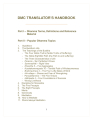
DMC Translator’s Handbook
DMC TRANSLATOR’S HANDBOOK
Part I -- Dhamma Terms, Definitions and Reference Material
Part II – Popular Dhamma Topics
1. Buddhism
2. The Buddha’s Life
3. The Teachings of the Buddha
- The Four Nob
The DMC Translator’s Handbook provides essential references on Dhamma terms and popular topics in Buddhism. It encompasses teachings like the Four Noble Truths, the Noble Eightfold Path, and meditatio
7
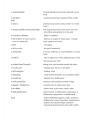
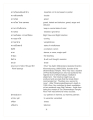
การทำความเข้าใจเกี่ยวกับกายมนุษย์และกิเลส
กายมนุษย์ละเอียดยิ
transcendental human body; spiritual human body
กายละเอียด
transcendental body; spiritual body; subtle
กายหยาบ
physical body (avoid using ‘coarse’ or ‘crude body’)
การขอขมาแก่ผู้
บทความนี้จะพูดถึงความเข้าใจเกี่ยวกับกายมนุษย์ที่ประกอบด้วยกายละเอียดและกายหยาบ รวมถึงแนวทางในการทำลายกิเลสและการสร้างบุญกุศล การทำกรรมเกิดจาก 3 ทาง ได้แก่ ทางกาย ทางวาจา และทางใจ นอกจากนี้ยังมีการแนะน
11
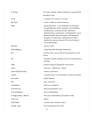
คำสอนและหลักธรรมในปัญญา
ความไม่เอนเอียงเข้าข้าง impartial; not to be biased or partial
ความสงสัย doubts
ความโลภ greed
ความโลภ โกรธ และหลง greed, hatred and delusion; g
บทความนี้นำเสนอความสำคัญของการมีจิตใจที่ไม่เอนเอียงและการเข้าใจธรรมชาติของความโลภ โกรธ และหลง โดยความรู้เกี่ยวกับความเป็นกลางและการมองเห็นอย่างถูกต้องเป็นสิ่งที่สำคัญ นอกจากนี้ยังพูดถึงการสอนของ Khun
13
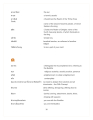
บทความเกี่ยวกับแนวคิดและคำศัพท์ทางพระพุทธศาสนา
จําพรรษา the rains-retreat; Vassa-residence; keeping the Buddhist Lent
จําวัด to sleep (of a monk or novice)
จิต, จิตต์ mind; a state of consciousness
จิตตะ (citta) Attention – (ref. Idhipadha 4
เนื้อหาเกี่ยวกับคำศัพท์สำคัญในพระพุทธศาสนาเช่น จําพรรษา, จิต, และเจตนา โดยมีการอธิบายความหมายของคำแต่ละคำในบริบทของการศึกษาพุทธธรรม รวมถึงแนวคิดเกี่ยวกับความตั้งใจและการทำจิตให้สงบ ช่วยเสริมสร้างความเ
18
Glossary of Buddhist Terms
ดวงอาทิตย์ the sun
ดาบส a hermit; ascetic
ดาวดิงส์ (Tavatimsa) the Realm of the Thirty-three
Gods; name of the second heavenly abode, of which
Sakka is the king
ดูริตา (Tusita) the Realm of
เนื้อหานี้เป็นการรวบรวมคำศัพท์สำคัญในพระพุทธศาสนา รวมถึงคำที่เกี่ยวข้องกับการตรัสรู้ การปฏิบัติธรรม และคำที่เกี่ยวกับอาวาสในสวรรค์ เช่น ดาวดิงส์ และดูริตา คำศัพท์เหล่านี้ช่วยในการเข้าใจแนวคิดทางพุทธศา
20
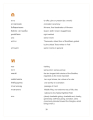
คำศัพท์เกี่ยวกับพุทธศาสนา
ถาวาย to offer, give or present (to a monk)
ถาวพระเพลิง cremation ceremony
ถึงที่สุดแห่งธรรม Nirvana; final destination of Nirvana
ถินนิธะ (ความเคลื้ม) stupor; sloth; torpor; sluggishness
ถูกหลักวิชชา
บทความนี้นำเสนอคำศัพท์สำคัญในพุทธศาสนา เช่น ถาวาย ซึ่งหมายถึงการให้อย่างอ่อนน้อมแก่พระสงฆ์, ถาวพระเพลิงที่หมายถึงพิธีเผาศพ, และถึงที่สุดแห่งธรรมซึ่งเป็นสถานที่หมายสุดท้ายในการหลุดพ้นจากทุกข์ นอกจากนี้