

samana : ค้นหาหนังสือธรรมะ หน้า 2 / 2
หน้าหนังสือทั้งหมด

26
บทสัมภาษณ์เกี่ยวกับพระพุทธเจ้าและธรรมะ
…- no.339(3,4 (Baverujātaka)
ยาวนั Uppajjati Buddho
dhammaRajja pabhaṅkaro,
tava ่อñe apujeSum
phut๙ samaNarrฮne.
yada ca sarasampanno
Buddho dhammaṁ adesayi,
atha lābho ca sakkāro
titthiyanam ahāyatha.
(J 1…
บทความนี้พูดถึงคาถาที่พระพุทธเจ้าสรุปเหตุการณ์ที่เกี่ยวข้องกับพวกเดียวธี เสื้อผ้าลาภสักการะ และเผยถึงการบูชาที่มีต่อพระธรรมราชา ซึ่งเมื่อพระพุทธเจ้าได้แสดงธรรม ลาภและสักการะก็เริ่มเสื่อมไป โดยให้ความส

33
งานธรรมอารฺ วาสนาวิชาการทางพระพุทธศาสนา ปีที่ 5 ฉบับที่ 2
งานธรรมอารฺ
วาสนาวิชาการทางพระพุทธศาสนา ปีที่ 5 ฉบับที่ 2 (ฉบับรวมเล่มที่ 9) ปี 2562
2.20 คำที่ว่าดังกล่าว (พระโวสิต) กล่วเตือนสติแก่วิช
- no.4103 (Somadattajātaka) และตรงกับ no.3721 (Migapotakajāta
งานวิจัยนี้นำเสนอการศึกษาเกี่ยวกับหลักธรรมในพระพุทธศาสนา โดยอ้างอิงจากชาดกต่างๆ รวมถึงการตีความและอภิปรายเกี่ยวกับข้อความจากพระไตรปิฏก ที่เกี่ยวข้องกับการไม่ครองเรือนและการปล่อยวางจิตใจ ในส่วนของคาถาต

63
ธรรมวาระ ปีที่ 5 ฉบับที่ 2
…ล่าวถึงคาถาแรก (ข้อ 2.20) เทียบกันดังนี้
โมฆัตตชาดก คาถาที่ 3
anāgārīyupetassa vippamutassa cetaso
samanassa na tam sādhu yam petam anusoci.
เมื่อเป็นผู้ไม่คองเรือน จิตใจไปล่อลวงแล้ว
ภาวิศกาศเศร้าสร้อยสัตว…
บทความนี้สำรวจในด้านการแปลทางภาษาศาสตร์ระหว่างภาษาบาลีและจีน พร้อมการวิเคราะห์การเปรียบเทียบคาถาในวรรณกรรมต่าง ๆ เช่น โมฆัตตชาดกและการแปลคาถาจากภาษาสันสกฤต รายละเอียดนี้จะช่วยให้เข้าใจถึงความสัมพันธ์แ

64
มิติโปสต์าก คำภีร์ 1
มิติโปสต์าก คำภีร์ 1
agārā paccuетassa anagarassa เท สาโต้
samanassa na tam sādhu yam petam anusocasī.
เมื่อ่านจากเรือนเข้า [ที่นี่] ไม่มีหัยเรือน
การที่ใคเศร้าถ…
บทความนี้สำรวจข้อความในมิติโปสต์ากที่เชื่อมโยงกับคาถาในพากย์จีน โดย เน้นถึงความหมายของคำว่า "anagarassa" และ "agārā" ที่ไม่จำกัดเพียงแค่การไม่มีเรือนหรือครอบครัว แต่ยังสะท้อนถึงความสัมพันธ์กับคนในบ้าน
216
The Proclamation of the Supreme Dhamma
anuttaram dhammacakkam payattitam Dhamma which cannot be denied by any priest or
appattvattiyam samanaena ya brahman-
ena ya devena va maena va brahmuna
va kenaci va lokasminti".
Bhummanam devanam sadd…
In this text, we witness the proclamation of the Dhamma that cannot be denied by any priest or god. The text details the reactions of different heavenly deities from the Catummaharajika to the Brahma
60
Untitled
…e influence and acceptance to go much further in his work. He received the humble title of Phra Kru Samanatham-samathan in 1921. But as it turned out, the title of Preceptor which he really needed for his w…
No textual content was provided for summarization or analysis.
78
Understanding the Basics of Machine Learning
… his health was at its weakest did he delegate distribution of the amulets to his disciple Phra Kru Samanatham-samathan (Luang Phaw Lek, Thira Dhammadharo) who had attained Dhammakāya since being a novice, …
This book provides an in-depth overview of machine learning, focusing on its principles, algorithms, and real-world applications. It covers various topics including supervised and unsupervised learnin
100
Untitled Document
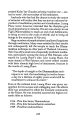
…ed successively higher monastic titles as follows:
1916 - Phra Kru Samu Thananukrom
1921 - Phra Kru Samanathamm-samathan
1949 - Phrabhavanakosalthera
No content available to generate a summary.

75
คำสนทนาระหว่างพระสัมมาสัมพุทธเจ้า
…apa paksa bhavise mapatu bluu bhavilesi paho
bramana malu bharide (devo bhu bhavida")si idi pilophu samana ema
vadesi naho brafmajna drvo*) bhaivif(e) gindfarve bhu bhavilasi idi
pfr Jethu samann ewa walesi…
ภาษาขะโรษฐีที่กล่าวถึงคำสนทนาระหว่างพระ สัมมาสัมพุทธเจ้ากับโทณพราหมณ์ ดังนี้ (ภา)ยวทู เดน ออสกราม อุวสกรามิต ภยวไท เอมโท] พ[เด]??? (เทโว 4 ภวิศ ณโห พรหมณ เท) ถุ [โว ภวิศ ฒนธรพรโว ภุ ภวิศ สิ] โห พรหมณ

37
รูปแบบของความเมตตา
The Buddha answered this question in one word:
benevolence. That is to say mutual benevolence, the practice
the Four Universal Forms of Benevolence (Sangahavatthu),
promote happiness in living togethe
The Buddha answered this question in one word: benevolence. That is to say mutual benevolence, the practice the Four Universal Forms of Benevolence (Sangahavatthu), promote happiness in living togethe