

Understanding the Basics of Machine Learning : หน้า 78/163
The life and times of Luang Phaw Wat Paknam : หน้า 78/163 A comprehensive introduction to machine learning concepts and techniques for beginners.
12 ครั้ง
สรุปเนื้อหา
This book provides an in-depth overview of machine learning, focusing on its principles, algorithms, and real-world applications. It covers various topics including supervised and unsupervised learning, neural networks, and data preprocessing. Readers will learn how to implement machine learning models using practical examples and case studies. Key techniques such as regression, classification, and clustering are discussed, along with their pros and cons. By the end, readers will grasp foundational concepts and be equipped to explore machine learning further. For more resources, visit dmc.tv.
หัวข้อประเด็น
-Introduction to machine learning
-Types of learning
-Neural networks
-Data preprocessing
-Implementation of models
ข้อความต้นฉบับในหน้า
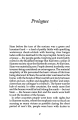
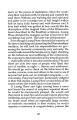
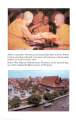
Whether a person made a donation of a thousand baht or of ten-thousand baht, they would receive only one amulet, no more. When Luang Phaw was asked the reason, he said that the holiness of the amulet was beyond price. A thousand baht or ten-thousand baht were nothing compared to the real value of these amulets.
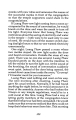
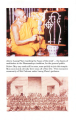
The first set of 84,000 amulets was exhausted in less than a year and Luang Phaw produced a second set to satisfy the supporters coming to the temple. Even when Luang Phaw was seriously ill, he still ordered more amulets to be produced and, in spite of his faltering health, distributed the amulets in person. Only when his health was at its weakest did he delegate distribution of the amulets to his disciple Phra Kru Samanatham-samathan (Luang Phaw Lek, Thira Dhammadharo) who had attained Dhammakāya since being a novice, could heal others through meditation and could teach meditation to Luang Phaw’s satisfaction.
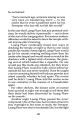
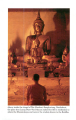
The amulets continued to enjoy popularity even when Luang Phaw could no longer distribute them himself. Luang Phaw didn’t like people to be inspired simply by miracles or sacred objects. He saw his own amulets as something higher — made special, somehow, by the purity of those in the temple. He would never fail to remind those who received these amulets that the Buddha image they were about to wear could do nothing to protect them if they did not themselves practice generosity, keep the precepts and train themselves in meditation using the image as the object of their meditation.
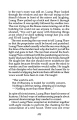
Someone once asked Luang Phaw what he should do if he wanted to attain Dhammakāya within three days. Luang Phaw said that all he needed to do was:
หน้าหนังสือทั้งหมด
1
2
3
4
5
6
7
8
9
10
11
12
13
14
15
16
17
18
19
20
21
22
23
24
25
26
27
28
29
30
31
32
33
34
35
36
37
38
39
40
41
42
43
44

45
46
47
48
49
50
51
52
53
54
55
56
57
58
59
60
61
62
63
64
65
66
67
68
69
70
71
72
73
74
75
76
77
78
79
80
81
82
83
84
85
86
87
88
89
90
91
92
93
94
95
96
97
98
99
100
101
102
103
104

105
106
107
108
109
110

111
112
113
114
115
116
117
118
119
120
121
122
123
124

125
126
127
128
129
130

131
132
133
134
135
136
137
138
139
140
141
142
143
144
145
146
147
148
149
150
151
152
153
154
155
156
157
158
159
160
161
162
163
หนังสือที่เกี่ยวข้อง
Load More