

self-control : ค้นหาหนังสือธรรมะ หน้า 8 / 40
หน้าหนังสือทั้งหมด
23
Self-Reflection and Dhamma Contemplation for Personal Growth
1. EXAMINE YOURSELF
Before bedtime each night, take a few minutes to meditate upon your day.
Reflect on everything you have done throughout the day, from the time you wake up, to the time you go
In this text, readers are encouraged to engage in nightly self-reflection, evaluating their daily actions to accumulate merit and relinquish negative deeds. The practice emphasizes giving up wrongdoin
26
The Journey of Self-Discovery Through Meditation
stung when the bedbugs bit me, but I would not kill them. I would catch them and put them in a spittoon covered with a piece of paper so they could not get away. When morning came, I would release the
The author shares her lifelong passion for cleanliness and orderliness, rooted in a disciplined upbringing at Wat Paknam. Through meditation, she recalls past lives that have contributed to her self-t
27
Understanding Yourself: The Journey Within
7. LOOK WITHIN YOURSELF
I look at myself. I look through myself. I understand "me" clearly.
I look into my physical self to find my human nature until I thoroughly understand it. Then I look deeper in
This text encourages individuals to look within themselves for true understanding rather than focusing on others. It highlights the journey of self-discovery through examining both physical and spirit
19
Understanding Buddhism: Key Concepts and Texts
death
chronicle
position
awake with awareness
awake in the sea of merit
fire contemplation; fire as meditation device
shrine; altar; group of tables containing images of Buddha
triple robe; the three
This text delves into crucial Buddhist principles including the Tipitaka, which is a comprehensive scripture forming the foundation of Buddhist teachings. It encompasses three baskets: Vinaya Pitaka,
70
Understanding Buddhism: A Cosmic Religion
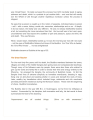
BUDDHISM
‘The religion in the future will be a cosmic religion.
It should transcend a personal God and avoid dogma and theology.
Covering both the natural and the spiritual, it should be based on
Buddhism, founded by the Buddha over 2,500 years ago, emphasizes freedom from suffering and is based on logical, practical principles. This religion transcends blind faith and superstitions, making it
77
The Enlightenment of Siddhattha Gotama
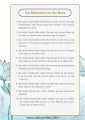
was himself freed. He lastly surveyed the process how birth inevitably leads to aging, sickness and death, which is a prelude to yet another birth – and one that will merely turn the Wheel of Life thr
This text recounts the journey of Siddhattha Gotama, who realized that life is a cycle of birth, aging, sickness, and death, culminating in his enlightenment as the Buddha. At dawn, he perceived the u
6
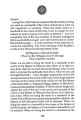
Ten Reflections for the Monk
Ten Reflections for the Monk
1. We monks should often reflect that as monks, we are no longer householders. We should adopt the manners and conduct expected of a monk.
2. We monks should often reflec
This text presents ten critical reflections for monks to enhance their spiritual discipline. It emphasizes the importance of embracing monastic life, relying on community support, and continually impr
107
परम ध्यान और आत्मा का केंद्र
(sleeps).
Luang Phaw Wat Paknam explained that the ability to bring our mind to a standstill at this centre of the body is what we call ‘majjhima’ or ‘centering’. When the mind comes to a standstill
लुआंग फॉ वट पाकनम ने समझाया कि शरीर के केंद्र पर ध्यान लाने की क्षमता को 'मध्यम' कहा जाता है। यह वह बिंदु है जहाँ मन सद्भाव में आता है, और इसे अच्छे या बुरे के संदर्भ में नहीं रखा जा सकता है। इसके द्व
108
The Path to Spiritual Enlightenment
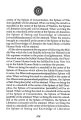
center of the Sphere of Concentration, the Sphere of Wisdom [paññā] will be attained. When we bring the mind to a standstill at the centre of the Sphere of Wisdom, the Sphere of Liberation [vimutti] w
This text outlines the spiritual progression as defined by the teachings of the Buddha, emphasizing the importance of concentration, wisdom, and the journey towards liberation. It explains how by brin
140
Understanding the Dhammakāya and Its Mind
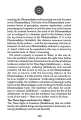
reaching the Dhammakāya and becoming one and the same as the Dhammakāya. The body of the Dhammakāya incorporates layers of perception, sensory registration, central processing and cognition in just th
The Dhammakāya embodies a body that resembles human perception while its mind can expand significantly, allowing the meditator to observe the eight inner bodies. This process unveils the Three Signs o
196
The Dangers of Sensual Pleasures and Self-Mortification
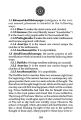
1.1 Kāmasukhallikāyunāga: indulgence in the various sensual pleasures is harmful in the following ways:
1.1.1 Hino: It makes the mind coarse and clouded;
1.1.2 Gammo: (this word literally means "house
In Buddhist teachings, indulgence in sensual pleasures is deemed harmful as it clouds the mind, encourages a household life, collects defilements, and is ultimately unprofitable. Similarly, self-morti
206
Knowledge of the Path to Cessation of Suffering
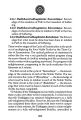
3.8.1 Dukkhanirodhagāminī Saccāṇa: Knowledge of the existence of Path to the Cessation of Suffering.
3.8.2 Dukkhanirodhagāminī Kiccaṇāṇa: Knowledge of what must be done in relation to Path to the Ces
This text discusses the twelve stages of the Cycle of Examination derived from the Four Noble Truths and their relation to enlightenment. It elaborates on the three circuits: knowledge of existence, k
215
The Tathāgata and the Cycle of Enlightenment
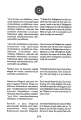
Yāva kivāñca me bhikkhave, imesu "O! Monks! If the Tathāgata had not fully com-
catusu ariyassaccevaṁ tiparivattaṁ completed these three cycles with their twelve com-
dvaḍasākāraṁ yathābhuṭṭaṁ nān
In this text, the Buddha addresses monks, emphasizing that he has fully completed the three cycles of truth, which affirms his status as a fully self-enlightened Buddha. He claims that this enlightenm
221
Understanding Suffering and the Cycle of Existence
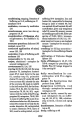
conditioning, stopping, Cessation of suffering 93-4 {metaphor, lion and
Suffering as 51-2; suffering as 47 hunter 94); responsible for keeping
conduct 145-6 being in cycle of rebirth 80; retin-
confu
This text delves into the nature of suffering, including its definitions and categorizations. It discusses the Cycle of Existence and how attachment leads to rebirth. The text highlights the importanc
228
Understanding Nibbāna and the Noble Truths
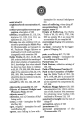
natal wind 61
neighbourhood concentration 43,
neither-perception-nor-non-perception, absorption of 193
nibbāna, anupadisesa 21, 112, 114;
ayatana 21, 102, 112, 114; sa
upādisesa 21, 112, 113-4
Nirvana
This text delves into key concepts in Buddhist philosophy, particularly Nibbāna and the Noble Truths. It discusses the interrelation of teachings, the significance of practicing the Middle Way to atta
231
Exploring Self-Mortification and Sensual Indulgence
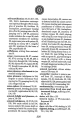
self-mortification 19, 27, 35-7, 103, causes lamentation 32; causes one
105, 194-5: dominates contemporainary spiritual thought 194-5; examples of practice 35; fruitless 19; {metaphors, grasshopper le
This text discusses the concepts of self-mortification and sensual indulgence. It elaborates on the causes and consequences of self-mortification, which often leads to lamentation and spiritual harm.
232
Exploration of Metaphors in Buddhist Philosophy
snake, poisonous, mistaken for rope spire, a palace - {metaphor for Mid-
- {metaphor for self-mortification dle Way 38-9} 36}
spouses, categories of 154-6
snake - {metaphor for craving 88}
sprite, ear
This text explores several metaphors used in Buddhist philosophy, including the snake as a metaphor for craving and its relationship to the concept of suffering. It further elaborates on the significa
236
Glossary of Buddhist Terms
Akiṇiṭṭhā (P. Realm of Supreme anurakkhāṇa-paddhāṇa (maintre Brahmas: see form Brahmā
akusalahamma (see unwhole- anusayā (see subtle defilements)
someness) apilapanasati (see monitoring as- alābha (se
This glossary provides definitions and explanations of essential Buddhist terms, including various realms, states of mind, and notable figures. Key concepts such as Anāgamī (non-returner), anatta (not
12
Untitled
10 : Universal Goodness
1.1 Where did one come from? Why is one here? Where does one go after one dies?
These three questions can stump even the most intelligent person on earth. On the day of one’s
No text provided for summarization.
6
Untitled
4. Punctuality
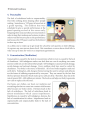
The lack of orderliness leads to unpunctuality. One feels nothing about keeping other people waiting. Sometimes, a VIP guest is hours late at a grand opening. The children that were sch
No content provided for summary or SEO details.