

self-discipline : ค้นหาหนังสือธรรมะ หน้า 8 / 35
หน้าหนังสือทั้งหมด
215
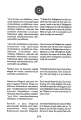
The Tathāgata and the Cycle of Enlightenment
Yāva kivāñca me bhikkhave, imesu "O! Monks! If the Tathāgata had not fully com-
catusu ariyassaccevaṁ tiparivattaṁ completed these three cycles with their twelve com-
dvaḍasākāraṁ yathābhuṭṭaṁ nān
In this text, the Buddha addresses monks, emphasizing that he has fully completed the three cycles of truth, which affirms his status as a fully self-enlightened Buddha. He claims that this enlightenm
221
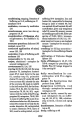
Understanding Suffering and the Cycle of Existence
conditioning, stopping, Cessation of suffering 93-4 {metaphor, lion and
Suffering as 51-2; suffering as 47 hunter 94); responsible for keeping
conduct 145-6 being in cycle of rebirth 80; retin-
confu
This text delves into the nature of suffering, including its definitions and categorizations. It discusses the Cycle of Existence and how attachment leads to rebirth. The text highlights the importanc
228
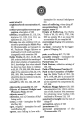
Understanding Nibbāna and the Noble Truths
natal wind 61
neighbourhood concentration 43,
neither-perception-nor-non-perception, absorption of 193
nibbāna, anupadisesa 21, 112, 114;
ayatana 21, 102, 112, 114; sa
upādisesa 21, 112, 113-4
Nirvana
This text delves into key concepts in Buddhist philosophy, particularly Nibbāna and the Noble Truths. It discusses the interrelation of teachings, the significance of practicing the Middle Way to atta
231
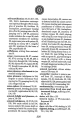
Exploring Self-Mortification and Sensual Indulgence
self-mortification 19, 27, 35-7, 103, causes lamentation 32; causes one
105, 194-5: dominates contemporainary spiritual thought 194-5; examples of practice 35; fruitless 19; {metaphors, grasshopper le
This text discusses the concepts of self-mortification and sensual indulgence. It elaborates on the causes and consequences of self-mortification, which often leads to lamentation and spiritual harm.
236
Glossary of Buddhist Terms
Akiṇiṭṭhā (P. Realm of Supreme anurakkhāṇa-paddhāṇa (maintre Brahmas: see form Brahmā
akusalahamma (see unwhole- anusayā (see subtle defilements)
someness) apilapanasati (see monitoring as- alābha (se
This glossary provides definitions and explanations of essential Buddhist terms, including various realms, states of mind, and notable figures. Key concepts such as Anāgamī (non-returner), anatta (not
12
Untitled
10 : Universal Goodness
1.1 Where did one come from? Why is one here? Where does one go after one dies?
These three questions can stump even the most intelligent person on earth. On the day of one’s
No text provided for summarization.
6
Untitled
4. Punctuality
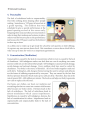
The lack of orderliness leads to unpunctuality. One feels nothing about keeping other people waiting. Sometimes, a VIP guest is hours late at a grand opening. The children that were sch
No content provided for summary or SEO details.
23
Untitled Document
Universal Goodness 23
A clear mind begins with ...
Performing one's work without the four categories of partiality:
● Chandalogati: Partiality caused by love or fondness.
● Dosagati: Partiality caus
63
The Role of Parents in Raising Good Children
children. They must strictly adhere to the following three
virtues: wisdom, discipline and loving kindness. This way,
parents will have a chance to conceive a wonderful child. They
will be good role m
This chapter discusses the essential virtues of wisdom, discipline, and loving kindness that parents must embody to raise wonderful children. By being good role models and understanding their children
171
Cultivating Mindfulness and Moral Foundations in Families
their families to have control over themselves at a young age,
the grandparents instilled them with generosity through alms
offerings to the monks and daily observance of the five
precepts. These whol
This text discusses how families can instill moral values and mindfulness in children through daily Dhamma studies, teachings, and meditation. It emphasizes the importance of generosity, the awareness
189
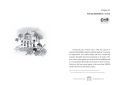
Solving Buddhism's Crisis
Chapter 43
Solving Buddhism's Crisis
During the past twenty years, when the season of
important the Buddhist tradition called the Kathina" Ceremony
has approached, news about monks who have violated t
Chapter 43 discusses the challenges Buddhism faces over the past two decades, particularly during the Kathina Ceremony, highlighting media coverage of monks violating monastic discipline. This has led
199
The Lord Buddha's Approaches to Conflict Resolution
3) When the Lord Buddha was confronted by a furious
elephant (similar to a frantic person), His solution was to
spread loving kindness. In short, when people receive and
are moved by loving kindness,
The Lord Buddha illustrated conflict resolution through examples. He demonstrated that loving kindness can transform anger and fear into understanding. When faced with aggression, his calm presence an
177
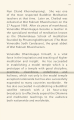
Venerable Dhammajayo: A Pioneer of Buddhist Meditation
Nun Chand Khonnokyoong).
She was one
of the most respected Buddhist Meditation
teachers at that time. Later on, Chaibul was
ordained at Wat Paknam Bhasicharoen on the
27 August 1969. After six years o
Venerable Dhammajayo, a notable Buddhist meditation teacher, was ordained at Wat Paknam Bhasicharoen in 1969. Under the guidance of Phramongkolthepmuni, he developed the Dhammakaya School of meditatio
51
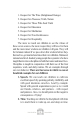
Raising Children: Teaching Virtues and Discipline
Part Two: Raising Children
1. Respect for The Wise (Enlightened Beings)
2. Respect for Dhamma; Truth, Nature
3. Respect for Those Who Seek Truth
4. Respect for Education
5. Respect for Meditation
6. R
ในส่วนที่สองของการเลี้ยงดูบุตร เราจะพูดถึงคุณค่าต่างๆ ที่ควรสอนให้กับเด็ก เช่น ความเคารพต่อผู้มีปัญญา, สัจธรรม, การศึกษา และการทำสมาธิ สิ่งเหล่านี้จะช่วยสร้างความเคารพและความฉลาดภายในให้แก่เด็กๆ หากพว
56
Building Good Habits in Children
Part Two: Raising Children
Chapter 8
Building Good Habits
It is a serious mistake if parents always take their
children's side when they have misbehaved or done something
wrong. The children will even
In Chapter 8, 'Building Good Habits,' the text emphasizes the importance of not always siding with children when they misbehave. Indulgent parenting can lead children to believe that bad behavior will
190
Understanding Key Concepts in Buddhism
Part Seven: Appendixes
Right Roles; refers to the principle of aiding people in order
to develop a unified society
Sangha: an assemblage; a community of people who
have completely dedicated their live
In this section, key concepts in Buddhism are elaborated, including the importance of community (Sangha) and mindfulness (Satti) in nurturing a unified society. Sila, or moral discipline, highlights t
34
Journey to Joy
Journey to Joy
34
Meditation and also to express gratitude to
all those who offer food and necessities to the
monastic community. These offerings to the
monks and novices provide us with the mental
an
This text discusses the importance of meditation and expressions of gratitude towards those who provide for the monastic community. It highlights how offerings facilitate the study of Dhamma and adher
143
Meditation and Finding Joy
Knowledge and Career
silent mantra 'Samma Arahang' until it disappears
by itself. From this moment on, I feel profound
happiness and joy.
In the beginning, it was difficult for me to
sit down regularl
In this reflection, the author shares their journey with meditation, beginning with the silent mantra 'Samma Arahang' which brings a sense of profound happiness. Initially, sitting down to meditate wa
211
The Power of Meditation
Wisdom
we
should repeat the process often and regularly.
Meditation requires discipline, repetition and
willpower, so that we do not regress or lose what
we have gained. Others know that I meditate. M
Meditation is a transformative practice that requires discipline, repetition, and willpower to maintain the benefits achieved. Through Dhammakaya meditation, one can attain inner happiness and a peace
54
Raising Smart and Virtuous Children
utilize the four requisites, how they work, and how they
conduct their daily activities.
Parents can instill wholesomeness, intelligence, and
compassion towards others by teaching their children resp
This text discusses the importance of teaching children the four requisites—respect, discipline, and endurance. It emphasizes the balance between worldly wisdom and Dhamma wisdom, highlighting how bot