

self-purification : ค้นหาหนังสือธรรมะ หน้า 6 / 31
หน้าหนังสือทั้งหมด
106
The Importance of Meditation for Mental and Physical Health
When your body breaks down it becomes sick. Illness of the body only affects the inflicted individual. However, when the mind is sick, many are affected.
Meditation keeps the mind and body in harmony.
Meditation plays a crucial role in maintaining both mental and physical health. While physical illness primarily affects the individual, mental illness can have broader impacts. Meditation fosters hap
6
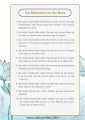
Ten Reflections for the Monk
Ten Reflections for the Monk
1. We monks should often reflect that as monks, we are no longer householders. We should adopt the manners and conduct expected of a monk.
2. We monks should often reflec
This text presents ten critical reflections for monks to enhance their spiritual discipline. It emphasizes the importance of embracing monastic life, relying on community support, and continually impr
107
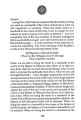
परम ध्यान और आत्मा का केंद्र
(sleeps).
Luang Phaw Wat Paknam explained that the ability to bring our mind to a standstill at this centre of the body is what we call ‘majjhima’ or ‘centering’. When the mind comes to a standstill
लुआंग फॉ वट पाकनम ने समझाया कि शरीर के केंद्र पर ध्यान लाने की क्षमता को 'मध्यम' कहा जाता है। यह वह बिंदु है जहाँ मन सद्भाव में आता है, और इसे अच्छे या बुरे के संदर्भ में नहीं रखा जा सकता है। इसके द्व
108
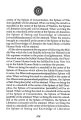
The Path to Spiritual Enlightenment
center of the Sphere of Concentration, the Sphere of Wisdom [paññā] will be attained. When we bring the mind to a standstill at the centre of the Sphere of Wisdom, the Sphere of Liberation [vimutti] w
This text outlines the spiritual progression as defined by the teachings of the Buddha, emphasizing the importance of concentration, wisdom, and the journey towards liberation. It explains how by brin
140
Understanding the Dhammakāya and Its Mind
reaching the Dhammakāya and becoming one and the same as the Dhammakāya. The body of the Dhammakāya incorporates layers of perception, sensory registration, central processing and cognition in just th
The Dhammakāya embodies a body that resembles human perception while its mind can expand significantly, allowing the meditator to observe the eight inner bodies. This process unveils the Three Signs o
196
The Dangers of Sensual Pleasures and Self-Mortification
1.1 Kāmasukhallikāyunāga: indulgence in the various sensual pleasures is harmful in the following ways:
1.1.1 Hino: It makes the mind coarse and clouded;
1.1.2 Gammo: (this word literally means "house
In Buddhist teachings, indulgence in sensual pleasures is deemed harmful as it clouds the mind, encourages a household life, collects defilements, and is ultimately unprofitable. Similarly, self-morti
206
Knowledge of the Path to Cessation of Suffering
3.8.1 Dukkhanirodhagāminī Saccāṇa: Knowledge of the existence of Path to the Cessation of Suffering.
3.8.2 Dukkhanirodhagāminī Kiccaṇāṇa: Knowledge of what must be done in relation to Path to the Ces
This text discusses the twelve stages of the Cycle of Examination derived from the Four Noble Truths and their relation to enlightenment. It elaborates on the three circuits: knowledge of existence, k
215
The Tathāgata and the Cycle of Enlightenment
Yāva kivāñca me bhikkhave, imesu "O! Monks! If the Tathāgata had not fully com-
catusu ariyassaccevaṁ tiparivattaṁ completed these three cycles with their twelve com-
dvaḍasākāraṁ yathābhuṭṭaṁ nān
In this text, the Buddha addresses monks, emphasizing that he has fully completed the three cycles of truth, which affirms his status as a fully self-enlightened Buddha. He claims that this enlightenm
221
Understanding Suffering and the Cycle of Existence
conditioning, stopping, Cessation of suffering 93-4 {metaphor, lion and
Suffering as 51-2; suffering as 47 hunter 94); responsible for keeping
conduct 145-6 being in cycle of rebirth 80; retin-
confu
This text delves into the nature of suffering, including its definitions and categorizations. It discusses the Cycle of Existence and how attachment leads to rebirth. The text highlights the importanc
228
Understanding Nibbāna and the Noble Truths
natal wind 61
neighbourhood concentration 43,
neither-perception-nor-non-perception, absorption of 193
nibbāna, anupadisesa 21, 112, 114;
ayatana 21, 102, 112, 114; sa
upādisesa 21, 112, 113-4
Nirvana
This text delves into key concepts in Buddhist philosophy, particularly Nibbāna and the Noble Truths. It discusses the interrelation of teachings, the significance of practicing the Middle Way to atta
231
Exploring Self-Mortification and Sensual Indulgence
self-mortification 19, 27, 35-7, 103, causes lamentation 32; causes one
105, 194-5: dominates contemporainary spiritual thought 194-5; examples of practice 35; fruitless 19; {metaphors, grasshopper le
This text discusses the concepts of self-mortification and sensual indulgence. It elaborates on the causes and consequences of self-mortification, which often leads to lamentation and spiritual harm.
232
Exploration of Metaphors in Buddhist Philosophy
snake, poisonous, mistaken for rope spire, a palace - {metaphor for Mid-
- {metaphor for self-mortification dle Way 38-9} 36}
spouses, categories of 154-6
snake - {metaphor for craving 88}
sprite, ear
This text explores several metaphors used in Buddhist philosophy, including the snake as a metaphor for craving and its relationship to the concept of suffering. It further elaborates on the significa
236
Glossary of Buddhist Terms
Akiṇiṭṭhā (P. Realm of Supreme anurakkhāṇa-paddhāṇa (maintre Brahmas: see form Brahmā
akusalahamma (see unwhole- anusayā (see subtle defilements)
someness) apilapanasati (see monitoring as- alābha (se
This glossary provides definitions and explanations of essential Buddhist terms, including various realms, states of mind, and notable figures. Key concepts such as Anāgamī (non-returner), anatta (not
12
Untitled
10 : Universal Goodness
1.1 Where did one come from? Why is one here? Where does one go after one dies?
These three questions can stump even the most intelligent person on earth. On the day of one’s
No text provided for summarization.
6
Untitled
4. Punctuality
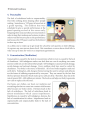
The lack of orderliness leads to unpunctuality. One feels nothing about keeping other people waiting. Sometimes, a VIP guest is hours late at a grand opening. The children that were sch
No content provided for summary or SEO details.
23
Untitled Document
Universal Goodness 23
A clear mind begins with ...
Performing one's work without the four categories of partiality:
● Chandalogati: Partiality caused by love or fondness.
● Dosagati: Partiality caus
269
พิธีกรรมเกี่ยวกับเด็กและศาสนาชินโตในญี่ปุ่น
9.7.4 พิธีเกี่ยวกับเด็กเกิดใหม่ เมื่อมีทารกเกิดใหม่ อายุได้ 7 วัน ก็จะมีการอุ้มไปตั้งชื่อ
ต่อหน้าแท่นบูชา ทำพิธีรับขวัญเด็ก และเมื่อเด็กอายุได้ 31 หรือ 32 วัน ก็จะอุ้มเด็กไปไหว้
ศาลเจ้านอกบ้านตามวัดบ้
เนื้อหาเกี่ยวกับพิธีกรรมต่างๆที่สำคัญในศาสนาชินโต เช่น พิธีตั้งชื่อเด็กเกิดใหม่ การอุ้มเด็กไปไหว้ศาลเจ้า และพิธีโอโฮฮาราชิ ซึ่งสื่อถึงความสำคัญของขนบธรรมเนียมและศรัทธาต่อจักรพรรดิ นอกจากนี้ยังมีการแบ่
134
The Correct Way to Gain Merits
In the chapter, "The Correct Way to Gain Merits"
from the book Good Question, Good Answer by Venerable
Phrarajabhavanaviriyakhun, the issue of merit was discussed
in detail as follows:
"The Lord Buddh
ในบทนี้พูดถึงวิธีที่ถูกต้องในการสร้างบุญตามคำสอนของพระพุทธเจ้า ได้แก่ ความมีน้ำใจในการให้ การปฏิบัติตามศีล และการทำสมาธิ การให้มีความจำเป็นต้องมาจากความตั้งใจที่บริสุทธิ์ การปฏิบัติตามศีลควรเริ่มจากกา
80
Basic Meditation Practice
Basic Meditation Practice
body grow lighter and gradually disappear into the atmosphere.
Then gently rest your focus in the center of your body at a point
two finger-widths above the navel level. Do n
This basic meditation practice focuses on relaxing the body and mind by visualizing a shining sun at the center of your abdomen. As you imagine this light, gently repeat the mantra 'Samma Arahang' to
139
Truth for the Family: Cultivating Boonya
Part Five: Truth for the Family
boonya. Many people choose to observe the Eight
Precepts one day (or even seven days) a week on a
regular long-term basis.
3. Meditation. This is the best way to purify
Part Five focuses on the significance of boonya, achieved through daily practices like generosity, observing Eight Precepts, and meditation. Following a routine enhances mental purity, leading to joyf