

self-teaching : ค้นหาหนังสือธรรมะ หน้า 32 / 50
หน้าหนังสือทั้งหมด
2
The Buddha's First Teaching
by Prabhavanuvauriyakhun
(Phra Phadet Dattaejevo)
DHAMMAKAYA FOUNDATION
'BUDDHISM IN PLAIN ENGLISH' SERIES 3
3
The Buddha’s First Teaching
A Dhammakaya Foundation paperback
First edition 2002
Published by the Dhammakaya Foundation
Department of International Relations
23/2 Moo 7., Khlong Sam, Khlong Luang,
Patumthani 12120
Thailand
Tel.
This book, published by the Dhammakaya Foundation, delves into the core teachings of Buddhism as explicated by Phrabhavanaviriyakhun (Phadet Dattajeevo). The text provides an in-depth analysis of the
55
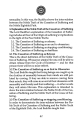
Understanding the Noble Truth of the Cessation of Suffering
sensuality. In this way, the Buddha shows the inter-relation between the Noble Truth of the Cessation of Suffering and the Noble Eightfold Path.
3. Explanation of the Noble Truth of the Cessation of S
This text delves into the Noble Truth of the Cessation of Suffering as per the teachings of the Buddha. It defines the Cessation of Suffering in four aspects - as release from the cycle of existence,
77
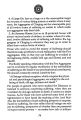
Understanding the Inevitability of Suffering
4. A Large Ox: Just as a large ox is the unescapable target for swarms of various biting insects no matter where it may roam, the Aggregates of Clinging are the unescapable prey of all twelve forms of
The text discusses how the Aggregates of Clinging, similar to a large ox attracting insects, are perpetually subject to suffering in all realms. It emphasizes the importance of recognizing this suffer
78
Understanding the Noble Truth of Suffering
tial a person might be, it doesn't merit any special consideration on suffering's part — all are equal in the face of suffering. Thus, realization of the reality of suffering for what it really is, to
This section discusses the Buddhist understanding of suffering, emphasizing that all beings are equal in their experience of suffering. It highlights the significance of realizing the Noble Truth of S
79
The Noble Truth of the Origin of Suffering
The Noble Truth of the Origin of Suffering
After explaining the Noble Truth of Suffering, Lord Buddha continued with an explanation of the origin of suffering. He pointed to craving as the origin of
In this teaching, the Buddha elaborates on the origin of suffering, identifying craving as the root cause. This craving for rebirth keeps beings trapped in a continuous cycle of existence, experiencin
87
The Cycle of Existence and Three Spheres
suffering completely, with no more attachment for the Three Spheres¹. Put another way, their practice entails extinguishing the three sorts of craving which keep them prisoner in the thirty-one realms
This text discusses the concept of craving as the root cause of rebirth in the Cycle of Existence, using a story from the Dhammapadathakā to illustrate the journey of a female piglet that was reborn m
88
The Perils of Craving in Buddhist Teachings
past, Ānanda and the rest of the monastic community were moved by the perils of the Cycle of Existence. Having completed his sermon, the Lord Buddha preached on the peril of Craving for the Brahmā-wor
In this teaching, the Buddha emphasized that craving is the root cause of suffering. He illustrated that just as a tree will regrow from its stump if not completely uprooted, suffering will persist if
95
The Noble Truth of the Cessation of Suffering
The Noble Truth of the Cessation of Suffering
When the Lord Buddha had finished his explanation of the origin of suffering, he continued with an explanation of the cessation of suffering. The essence
This text explains the Buddha's teaching on the cessation of suffering, emphasizing the importance of extinguishing craving through the Noble Eightfold Path. It highlights that addressing the root of
103
The Noble Eightfold Path and Buddhist Sainthood
fold Path diligently to the extent they are prepared to lay down their life for their practice, have the chance to uproot craving from the mind by transcendental extinction — by attaining the various
This text discusses the profound dedication of practitioners of the Noble Eightfold Path, illustrating how some are willing to sacrifice their lives for their spiritual journey. It highlights notable
113
Understanding the Dhamma Body and Its Significance
Dhamma Body, thereby make themselves invulnerable to
the action of defilements. In the past we might have been
unable to give up unwholesome behaviours (such as drink-
ing alcohol) in spite of knowing
The Dhamma Body, or Dhammakāya, represents the essence of Buddhism, highlighting the journey towards enlightenment. By attaining the Dhamma Body, individuals can free themselves from defilements such
158
The Nature of Wives in Buddhist Teachings
7. A wife like an slave: A wife who allows herself to be abused, slapped or beaten by her husband without becoming angry or vengeful and without blaming her husband, who is contented to be completely
This text discusses different types of wives in Buddhist teachings, illustrating how their characteristics influence their karmic outcomes. It differentiates between negative types, like a wife who is
159
The Festival of Fools: A Tale of Wisdom
Once there was a festival which had been organized by fools. It was called the ‘Festival of Fools’ and lasted for seven full days. The fools of the town would sit in a circle and get drunk before goin
Once there was a Festival of Fools characterized by reckless behavior of drunken townsfolk. A group of Buddha's followers, having achieved stream-entry, chose to meditate instead of participating. Upo
163
The Story of Khujutara and Khema
money any more. She used the whole 1,000 kahapanas to buy flowers for Sammavadi and the courtesans. Seeing that there were more flowers than usual, the courtesans asked Khujutara whether the king had
This text narrates the story of Khujutara, who uses all her money for good after understanding the teachings of the Buddha about the consequences of embezzlement. Her change illustrates the concepts o
178
The Three Cycles of Examination in Buddhism
The Three Cycles of Examination comprise:
1. Saccānāna: Knowledge of the existence of each Noble Truth over which the Lord Buddha had unequaled personal knowledge and which he could teach to others wi
The Three Cycles of Examination define knowledge concerning the Noble Truths which the Lord Buddha taught. Saccānāna pertains to the knowledge of each truth’s existence; Kiccanānā addresses the necess
181
The Path to Liberation in Buddhism
the defilements from their minds and to attain liberation.
The conclusion we can draw from seeing Koṇḍañña at-
tain stream-entry after a relatively short teaching (and also
from seeing the rebirth of
The text discusses how Koṇḍañña attained stream-entry through accumulated wholesome deeds from past lives, emphasizing the importance of good deeds in the present. It highlights that contact with the
185
Exploration of the Dhammacakkapavattana Sutta
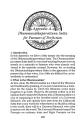
Appendix A.
Dhammacakkapavattana Sutta
for Pursuers of Perfection
1. Introduction
In this Appendix we delve a little deeper into the meaning of the Dhammacakkapavattana Sutta. The Dhammacakkapava
In this appendix, we explore the Dhammacakkapavattana Sutta and its complexities for modern readers. The Sutta serves as a brief but profound insight, showing how the Dhamma represents a path to enlig
204
The Noble Eightfold Path and Its Fruits
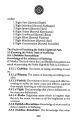
earlier:
1. Right View [Sammā Ditthi]
2. Right Intention [Sammā Saṅkappa]
3. Right Speech [Sammā Vāca]
4. Right Action [Sammā Kammanta]
5. Right Livelihood [Sammā Ājīva]
6. Right Effort [Sammā Vāyāma]
The Noble Eightfold Path consists of eight practices aimed at ethical and mental development, leading to enlightenment. The path includes Right View, Intention, Speech, Action, Livelihood, Effort, Min
216
The Proclamation of the Supreme Dhamma
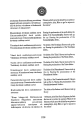
anuttaram dhammacakkam payattitam Dhamma which cannot be denied by any priest or
appattvattiyam samanaena ya brahman-
ena ya devena va maena va brahmuna
va kenaci va lokasminti".
Bhummanam devanam sa
In this text, we witness the proclamation of the Dhamma that cannot be denied by any priest or god. The text details the reactions of different heavenly deities from the Catummaharajika to the Brahma
219
Understanding Suffering and Enlightenment in Buddhism
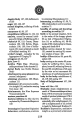
Angelic Body 107, 122; defilements by attaining Dhammakaya 111 of 135
bemoaning, as suffering 47, 58, 71,
anger 135, 136, 137 199; relationship to sorrow and lam-
animal kingdom, suffering of birth en
This text delves into key Buddhist teachings regarding suffering, attachment, and the process of attaining enlightenment. It analyzes various forms of suffering, including the suffering associated wit