

sensual-indulgence : ค้นหาหนังสือธรรมะ หน้า 2 / 7
หน้าหนังสือทั้งหมด

30
The Middle Way: Balancing Sensual Indulgence and Self-Mortification
the harmfulness of the extremes of sensual indulgence and self-mortification, and advocated the following of the Middle Way or Noble Eightfold Path, the ‘group of five’, especially Keṇḍāṇa who was mos
This text discusses the risks associated with extreme sensual indulgence and self-mortification, underscoring the importance of following the Middle Way or Noble Eightfold Path. It highlights Keṇḍāṇa,
33
The Buddha's Teachings on Sensory Pleasures
6. Eating a poisonous fruit: The pleasures of the five senses can be compared to a poisonous fruit. The hedonist, in his greed eats the fruit and must endure the ensuing pain and upset as the poison t
The Buddha uses various metaphors to illustrate the dangers of indulgence in sensory pleasures. He likens them to poisonous fruits, sharp weapons, and children's toys, highlighting the inevitable suff
105
Rediscovery of the Dhammakāya Tradition
mentaries for most people to understand. The knowledge of Dhammakāya is said to have diminished and eventually for some unknown reason, disappeared from Buddhism approximately 500 years after the Pari
The Dhammakāya tradition, once diminished in Buddhism, was revitalized by Luang Phaw Wat Paknam who dedicated his life to its teachings. His outreach efforts led to the tradition being acknowledged in
196
The Dangers of Sensual Pleasures and Self-Mortification
1.1 Kāmasukhallikāyunāga: indulgence in the various sensual pleasures is harmful in the following ways:
1.1.1 Hino: It makes the mind coarse and clouded;
1.1.2 Gammo: (this word literally means "house
In Buddhist teachings, indulgence in sensual pleasures is deemed harmful as it clouds the mind, encourages a household life, collects defilements, and is ultimately unprofitable. Similarly, self-morti
220
Exploring the Path to Enlightenment in Buddhism
101; enlightenment mechanism, chanting, Dhammacakkapavattana explained by Dhammakaya 111; Sutta 10-11, 209-16 knowledge arising to reach enlightenment 140-1; practice 94, metaphors: dog and lion 94; g
This text delves into various aspects of Buddhism, focusing on the mechanisms of enlightenment through chanting and the Dhammacakkapavattana Sutta. The practices necessary for attaining enlightenment
234
Exploring Concepts of Wholesomeness and Worldliness in Buddhism
worldly 83
true self, Dhammakaya as 110
Udaka Rāmaputta Hermit 193
unfortunate [hell] realms 83
Universal Monarch: wheel of, comparable to Dhammacakka, 183-6; endowments 184
untouchable cast
This text delves into fundamental Buddhist concepts including the nature of wholesomeness, the implications of worldly wealth, and the consequences of unwholesome behavior. The idea of the Universal M
236
Glossary of Buddhist Terms
Akiṇiṭṭhā (P. Realm of Supreme anurakkhāṇa-paddhāṇa (maintre Brahmas: see form Brahmā
akusalahamma (see unwhole- anusayā (see subtle defilements)
someness) apilapanasati (see monitoring as- alābha (se
This glossary provides definitions and explanations of essential Buddhist terms, including various realms, states of mind, and notable figures. Key concepts such as Anāgamī (non-returner), anatta (not
37
The Dangers of Sensual Indulgence
If it happens that his wealth is taken away in taxes, or stolen by robbers, or damaged by fire or floods, or frittered away by fraudulent enemies then that person will be sorrowful, suffering in body
This text discusses the sorrow and suffering resulting from the attachment to wealth and sensual pleasures, highlighting that these attachments can lead to fights and wars among various social groups.
78
The Pursuit of Purity and Freedom
112. AN EASY LIFE
Why do people want to be married? Living on your own is an easy life, full of freedom. Flying like a little bird, you can go anywhere you want.
November 6, 1981
113. THE PURER YOU A
The text discusses the appeal of living independently, highlighting the freedom it offers. It emphasizes that purity in body, speech, and mind is essential for attaining a clear vision of enlightenmen
99
Understanding Sensual Attachment and Overcoming Cravings
Our sense organs [aijhattikäyatana] are implicated in the attachment we have to sensual pleasures. If we want to extinguish the craving arising because of attachment to visual temptations, then we hav
Our sense organs play a crucial role in our attachment to sensual pleasures. To overcome this attachment, we must target both the senses and their corresponding objects. Each sense - sight, sound, sme
6
Untitled
4. Punctuality
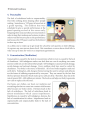
The lack of orderliness leads to unpunctuality. One feels nothing about keeping other people waiting. Sometimes, a VIP guest is hours late at a grand opening. The children that were sch
No content provided for summary or SEO details.
14
Achieving Happiness Through Dhamma Practice
Concerning the second level, if our wish is indeed to
go to a happy place after death, we can do so by learning and
practicing the Dhamma. We will thus be taught to practice
generosity, keep acts of s
This text emphasizes the significance of practicing Dhamma to achieve happiness in life and after death. By cultivating generosity, maintaining self-discipline, and engaging in meditation, individuals
189
Appendixes on Good Deeds and Paths to Destruction
Part Seven: Appendixes
to perform good deeds and this results in parami formation
within the mind
Roads to Ruin: any of the paths, professions, or actions
that eventually lead to destruction; they inc
This section discusses the significance of good deeds and how they cultivate parami within the mind. It outlines various detrimental paths that lead to personal destruction, including indulgence in li
18
The Dangers of Self-Destructive Behaviors
self-destructive behavioural vices as drinking, nightlife, too much indulgence in sensual pleasure, gambling, associating with bad company, and laziness. These actions may not necessarily be considere
This text highlights various self-destructive behaviors such as excessive drinking, nightlife, and indulgence in pleasures that can lead to addiction and negative life outcomes. It warns against assoc
78
The Teachings of the Buddha
The Teachings of the Buddha
The Teachings of the Buddha are known as Dhamma, a Pali word for the Truth, the law of righteousness. In his first sermon the Buddha emphasized that one should live the Mi
The Teachings of the Buddha, known as Dhamma, emphasize the Middle Way, avoiding extremes of indulgence and self-mortification. Central to Buddha's teachings are the Four Noble Truths, which acknowled
36
The Hardships of Earning a Living
ways: for example, some are farmers, some run businesses, some tend dairy cattle, some are soldiers, some are civil servants, some are elephant trainers, some are horse trainers. No matter which way o
This text discusses the various livelihoods people engage in, from farming to business and training animals, emphasizing the hardships each profession entails regardless of the success one achieves. I
25
The Middle Way: A Path to Liberation
3. The Middle Way
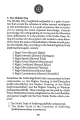
The Middle Way [majjhima paṭipadā] is a path of practice that avoids the extremes of either sensual indulgence or self-mortification. It is a path of practice that is conducive to ta
The Middle Way [majjhima paṭipadā] serves as a balanced path in Buddhism, steering clear of both sensual pleasures and self-mortification. This approach is aimed at tempering the mind, achieving supre
219
Understanding Suffering and Enlightenment in Buddhism
Angelic Body 107, 122; defilements by attaining Dhammakaya 111 of 135
bemoaning, as suffering 47, 58, 71,
anger 135, 136, 137 199; relationship to sorrow and lam-
animal kingdom, suffering of birth en
This text delves into key Buddhist teachings regarding suffering, attachment, and the process of attaining enlightenment. It analyzes various forms of suffering, including the suffering associated wit
228
Understanding Nibbāna and the Noble Truths
natal wind 61
neighbourhood concentration 43,
neither-perception-nor-non-perception, absorption of 193
nibbāna, anupadisesa 21, 112, 114;
ayatana 21, 102, 112, 114; sa
upādisesa 21, 112, 113-4
Nirvana
This text delves into key concepts in Buddhist philosophy, particularly Nibbāna and the Noble Truths. It discusses the interrelation of teachings, the significance of practicing the Middle Way to atta
232
Exploration of Metaphors in Buddhist Philosophy
snake, poisonous, mistaken for rope spire, a palace - {metaphor for Mid-
- {metaphor for self-mortification dle Way 38-9} 36}
spouses, categories of 154-6
snake - {metaphor for craving 88}
sprite, ear
This text explores several metaphors used in Buddhist philosophy, including the snake as a metaphor for craving and its relationship to the concept of suffering. It further elaborates on the significa