

sensual-indulgence : ค้นหาหนังสือธรรมะ หน้า 7 / 7
หน้าหนังสือทั้งหมด
37
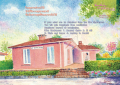
ความสุขจากสมาธิ
ใจหยุดจากวิริยะได้
ทำให้เกิดความสุขจากสมาธิ
ซึ่งเป็นความสุขที่อิ่มตาอิ่มใจไม่ได้
If your mind can be detached from the five hindrances.
You will gain happiness from meditation.
Happiness beyond all i
การเรียนรู้การหยุดใจจากอุปสรรคทั้งห้า สามารถนำไปสู่ความสุขที่เกิดจากการทำสมาธิ ซึ่งเป็นความสุขที่ไม่สามารถหามาจากสิ่งภายนอกได้ คล้ายกับการเปิดประตูสู่ความสงบและอิ่มใจแท้จริง เมื่อใจหลุดพ้นจากแรงดึงดูด
11
The Noble Truths of Suffering
4 The Noble Truth of Suffering ........................................... 57
Every Living Being is a Victim of Suffering 57 • Suffering as a result of
Birth 58 • The Suffering of Internment in the Wo
เนื้อหาเกี่ยวกับสัจธรรมทั้งสี่ซึ่งกล่าวถึงทุกข์และวิธีการดับทุกข์ในศาสตร์ของพุทธศาสนา รวมถึงอธิบายความสำคัญของการเข้าใจทุกข์และการพึ่งพาไม่ให้จิตใจเสพติดความสุขชั่วครั้งชั่วคราว การบรรลุถึงสภาวะนิพพาน
54
Understanding the Origin of Suffering in Buddhism
2.2 The Origin of Suffering as a Cause
In explaining the Origin of Suffering, the Buddha intended to make clear that the suffering experienced by living beings has craving as its cause. As soon as the
In this examination of the Buddha's teachings, the Origin of Suffering is explained as being rooted in craving, which leads to a cycle of suffering. The relationship between the Origin of Suffering an
82
Understanding Craving in Buddhism
knowledge of such ascetics are the Formless Brahma Realms — knowledge gained as the result of developing the formless absorptions [arûpajhâna]. Such ascetics misunderstand that being reborn in the For
This text delves into the Buddhist concept of craving, specifically how its pursuit influences rebirth and suffering. It discusses the misinterpretation by ascetics aiming for the Formless Brahmā real
97
Understanding Craving and Suffering in Buddhism
practices will lead them to an end of suffering — but without realizing that it is only adding to their suffering. Thus it is compared to a dog who seizes whatever it likes from the owner without tak
This text elaborates on the Buddhist perspective regarding craving as the fundamental cause of suffering. It compares improper practices to a dog snatching things without regard, while proper practice
98
Exploring Sensual Delights and the Six Sense Organs
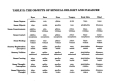
TABLE II: THE OBJECTS OF SENSUAL DELIGHT AND PLEASURE
| | Eyes | Ears | Nose | Tongue | Body Skin
This table presents an intricate overview of the six sense organs in relation to their corresponding objects, consciousness, contact, feelings, registration, volition, craving, thought conception, and
145
Understanding the Eightfold Path: Right Mindfulness and Right Concentration
fort: doing of evils not yet done, maintainance of evils already done, not doing virtues not yet done and abandoning virtues already mastered.
As for Right Mindfulness, he would immediately and defini
This excerpt explores the significance of the Eightfold Path, specifically focusing on Right Mindfulness and Right Concentration. It emphasizes understanding the aggregates of existence as they relate
154
The Renunciation of the Bodhisatva
"Oh! When will I be able to leave this prosperous Mithila with its castles and towers, abundance of the four requisites?"
The bodhisatva thought in this way for four months before he was able to ful
In his quest for enlightenment, the bodhisatva grapples with renouncing the comforts of Mithila, contemplating his intentions for four months. Upon retreating into the forest, he meditates and develop
187
Transportation of Communities in Buddhist Scriptures
to transport the community from one continent to another or even one world to another. In the time of the Buddha, the scriptures report that people and the Universal Monarch were transported from anot
This text discusses the transportation of the community during the time of Buddha, where beings from Uttarakururūpa were brought to Jambudīpa via the Jewelled Wheel of the Universal Monarch. After the
202
The Noble Truth of the Origin of Suffering
all that way from the top of our head to the tips of our toes,
we are full of suffering — he had seen and known it for him-
self as a result of having the wherewithal to see and know
the nature of rea
The text delves into the Buddha's teachings on suffering, challenging ancient beliefs that linked suffering to divine punishment or fate. Instead, he identifies craving as the root cause of suffering,
212
The Noble Truths of Suffering and Cessation
πεonæbhabikä <3.2.1.2> nandīrāga- one to one's here-and-now existence — and compries Craving for sensual pleasure; Craving for
sahagata <3.2.1.3> tatra taträ- the pleasure of the "form-absorptions"; C
This text discusses the Noble Truth of suffering (dukkha) and its cessation, emphasizing the importance of extinguishing craving to achieve liberation. It presents the Eightfold Path as the method to
222
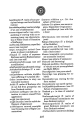
Understanding Dhammakāya and Defilements in Meditation
deep meditation 114
defilement 122: different, for each
inner body 135; of Angelic Body 135;
of Dhammakāya Anāgāmi 137; of
Dhammakāya Gotrabhu 136; of
Dhammakāya Sakidāgāmi 136,
137; of Dhammakāya Sot
The text provides an in-depth examination of the Dhammakāya concept, explaining various levels such as Dhammakāya Anāgāmi, Gotrabhu, and Sakidāgāmi. It discusses the nature of defilements and how arah
237
Exploring Concepts of Buddhist Mythology
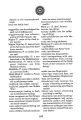
Asaññisatta (P. realm of non-per- ayatana nibbāṇa q.v. (lit. the recipient beings: see form Brahmā sphere of Nirvana realms) āsavakkhayañāṇa (see knowledge of an end of defilements) ayatana (lit. sphe
This text delves into intricate Buddhist concepts such as Asaññisatta, the realm of non-perception, and its relation to Nibbāṇa, highlighting essential terms like bhāvanā (development), and defilement
243
Buddhist Terminology and Concepts
Speech at the transcendental level) see sense consciousness) manussasampatti (see worldly wealth) Mara q.v. (P. devil, demon) maggañāṇa (see knowledge of the path out of defilements) maraṇa (see dying
This text delves into essential Buddhist terms and their meanings. It covers concepts such as Mara (the demon), Mettā (loving-kindness), and the significance of terms like 'maraṇa' (dying) and 'mutti'
139
Untitled
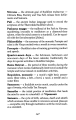
Nirvana — the ultimate goal of Buddhist endeavour — Ultimate Bliss, Eternity and True Self, release from defilements and Samsara.
Pali — the ancient Indian language used to record the scriptures of th
No summary available due to lack of content.
101
การให้คำแนะนำจากพระอรหันต์
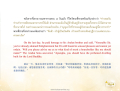
หลังจากที่เขาถวายมหาทานครบ 7 วันแล้ว ก็ให้วิระพี่ชายพร้อมกับกล่าวว่า "ท่านขอรับ ท่านทำการสลิตออกจากภาพได้แล้ว ส่วนกระผมยังเป็นผู้พำนักอยู่ด้วยถามคุณทั้งหลาย ยังไม่สามารถที่จะบวชได้ ขอท่านจงแนะนำกระผมด
ในวันที่สุดท้ายหลังจากถวายมหาทานครบเจ็ดวัน ผู้ครองเรือนถามพระพี่ชายซึ่งเป็นพระอรหันต์เกี่ยวกับวิธีการทำบุญที่เหมาะสมในการใช้ชีวิตอยู่กับโลกนี้ พระอรหันต์ตอบและแนะนำให้อยู่ในแนวทางที่มีความสร้างสรรค์ใน