

suffering : ค้นหาหนังสือธรรมะ หน้า 15 / 28
หน้าหนังสือทั้งหมด
31
Dhammacakkappavattana Sutta: The Sermon
…‘group of five’ [pañcacavaggiya] and addressed them thus:
O! Bhikkhus! Monks who wish to overcome suffering must strictly avoid the two extremes of practice, namely:
1. Sensual indulgence [kamasukhallikanu…
…seek the Middle Way, which avoids these harmful extremes and guides individuals toward freedom from suffering and ultimate liberation. For further insights, visit dmc.tv.
35
The Dangers of Sensual Indulgence in Buddhist Teachings
…ensual pleasure.
Furthermore, in the Mahādukkha khanda Sutta (The Greater Discourse on the Stems of Suffering) (M.i.83ff.), delivered at Savatthi, the Buddha expounds the dangers of sensual indulgence, in deta…
…s illustrate the inherent dangers of sensual pleasure, highlighting how such indulgence can lead to suffering and detachment from reality. The Buddha emphasizes the need for those following the monastic life t…
39
Understanding Self-Mortification in Buddhism
…on. Such practices cause physical harm without any good benefit in return. They only increase one’s suffering.
…nefit. These practices range from fasting to unusual clothing choices and often only increase one's suffering. Hence, the Buddha emphasizes avoiding such non-Buddhist practices to attain true enlightenment and…
46
Mindfulness Practices in Buddhism
…nd knowing the feelings in the body in the inner bodies — that is to see what is happiness, what is suffering and what is neither happiness nor-suffering in the physical body and the inner bodies. ‘Outer feeli…
This text delves into the four foundations of mindfulness (satipaṭṭhāna) in Buddhism. It teaches practitioners to continuously observe the body, feelings, the mind, and mental phenomena. 'Mindfulness
68
Understanding the Body as a House
…The body groans as one stands up or sits down or walks along, because of the various afflictions of suffering which one must
…, suggesting that the mind is the true essence of self, while the body endures the toll of time and suffering. As aging progresses, the body loses its vitality and becomes increasingly susceptible to afflictio…
81
Understanding Ascetic Practices and the Pursuit of Brahmā Realms
… for the Brahmā world and the Lord Buddha enumerated it as one of the Noble Truths of the Origin of Suffering.
3. **Craving for the Formless Realms [vibhavatanhā]**
Craving for the Formless Realms is the dog…
…tely, these pursuits stem from cravings, as identified by the Buddha in the Noble Truths related to suffering.
85
The Path of Wholesomeness and Unwholesomeness
…nate (hell) realms after death. This is why the Lord Buddha pointed to craving as the Origin of all suffering in the Sphere of the Sense Pleasures.
Those who wish for human wealth¹, heavenly wealth (in any of …
…births in hell realms. The Buddha emphasizes the importance of avoiding these temptations to escape suffering. Those who practice generosity, uphold Precepts, and follow the Tenfold Path can attain human or he…
111
Understanding the Dhammakāya in Insight Meditation
…for yourself that the aggregates are subject to the Three Characteristics of impermanence [aniccā], suffering [dukkhā] and not-self [anattā].
Dhammakāya is the Body of Enlightenment
What is the true meaning of…
…rue insight meditation allows one to perceive the Three Characteristics of existence: impermanence, suffering, and not-self. The 'Dhamma' eye represents the ability to see things in their true form, understand…
116
Understanding Nirvana: The Realm Beyond Existence
…piness independent of any outside influence — because the mind of those Buddhas has transcended all suffering entirely, having attained the true fulfilment of life.
…ined after the cessation of the five aggregates, leading to a state of infinite happiness devoid of suffering. The text emphasizes the uniqueness of Dhamma Bodies of past Buddhas that embody this pure state of…
118
Understanding the Mind and Success in Buddhist Practice
…ye of the Dhammakāya and use the wisdom of the Dhammakāya. Thus the Noble Truth of the Cessation of Suffering means the extinguishing of craving or the bringing of the mind to a standstill because both these t…
…m are crucial steps toward attaining the Dhammakāya, which leads to liberation and the cessation of suffering. Ultimately, the teachings underline that the certainty of attaining Nirvana is the true form of su…
124
Understanding the Inner Bodies and Enlightenment
… are hence subject to the influence of the Three Signs [tilakkhaṇa], namely: impermanence [anicca], suffering [dukkha] and not-self [anattā]. None of these bodies transcend the mundane level of existence — the…
… worldly bodies, including the human, are influenced by the Three Signs of existence: impermanence, suffering, and not-self. In contrast, bodies of enlightenment are made of transcendental Aggregates, free fro…
142
The Path to Enlightenment: Understanding Dhammakāya
…
true wisdom such as the Four Noble Truths — accessed
by seeing and knowing directly the arising of suffering,
craving as its cause, that because of arising there must be
decay i.e. cessation [nirodha] and tha…
…tion practice at the Bodhi Tree, emphasizing his vow to attain enlightenment regardless of physical suffering. The narrative highlights three significant attainments during the night, showcasing the bodhisatva…
143
Understanding the Dhamma Body and the Noble Path
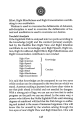
…practising the Noble Eightfold Path.
Conclusion of the Noble Truth of the Path to the Cessation of Suffering
Anyone who has the wisdom to recognize that to cultivate
virtues such as self-discipline or gener…
…tial for achieving Right View and Right Intention, hence guiding disciples towards the cessation of suffering and ultimately to Nirvana. Proper practice leads to Right Speech, Action, Livelihood, and fosters l…
147
The Eightfold Path: Knowledge and Conduct in Meditation
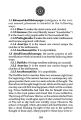
…ows the Noble Eightfold Path until attaining degrees of sainthood will find that the Path brings no suffering and indeed is the cause of immense happiness. One will know this for oneself by the wisdom arising …
…ney towards achieving sainthood, highlighting that this path leads to immense happiness and reduced suffering. Knowledge, likened to one's vision, and conduct, akin to one's ability to move, are both crucial i…
196
The Dangers of Sensual Pleasures and Self-Mortification
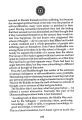
…rtification which is harmful in at least the following three ways:
1.2.1 Dukkho: It brings needless suffering on yourself;
1.2.2 Antioyo: It is the reason one cannot escape the clutches of the defilements;
1.2…
…ects defilements, and is ultimately unprofitable. Similarly, self-mortification creates unnecessary suffering and restricts spiritual escape. The Buddha highlighted these extremes to warn followers against sli…
197
The Middle Way: Buddha's Revolutionary Teaching
tered to liberate themselves from suffering, but because the strongest spiritual trend of the time was the practice of self-mortification, many…
…izing how many were misled by the practice of self-mortification in their quest for liberation from suffering. It highlights that both sensual indulgence and extreme self-mortification are unprofitable paths. …
218
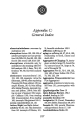
General Index of Meditation and Mindfulness Concepts
…, 119, 142; abstention from 161 {example of Khema, 161-3}
3); harmful retribution 162-3
affliction: suffering as 48
aging: as suffering 46, 57, 63-6, 199; relationship to birth, illness and death 68-9
Aggregat…
This general index compiles significant terms and concepts related to meditation and mindfulness practices. It includes terms like absent-mindedness, absorption, and aggregates of clinging, helpful fo
227
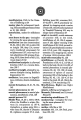
Understanding Meditation and the Middle Way in Buddhism
manifestation, Path to the Cessation of Suffering as 54
master plan for subsequent teaching, Dhammacakkapavattana Sutta as 10, 186, 189-90
materialis…
เนื้อหานี้สำรวจการทำสมาธิและแนวทางสายกลางที่เป็นส่วนสำคัญในคำสอนของพระพุทธเจ้า โดยอธิบายถึงความสำคัญของการตั้งมั่นเป็นสติในปัจจุบัน และการทำความเข้าใจรูปแบบของความรู้สึกและปรากฏการณ์ในจิตใจ การทำสมาธิ
241
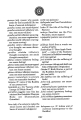
Understanding Sensory Terms in Buddhism
…nception: see sense thought) jarā (see ageing)
gāha vedanā (olfactory feeling: jarā dukkhā (see the suffering of
see sense-feeling) ageing)
gāha (nose, nasal: see sense-organs) jarā-maraṇa (old-age and death: …
This text delves into various sensory terms found in Buddhist scriptures, particularly focusing on olfactory and gustatory experiences. It covers concepts such as gandha (smell), jihvā (taste), and th
245
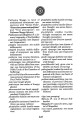
Understanding Pathama Magga and Associated Concepts
…ing with no further effect from craving: see characteristics of the Noble Truth of the Cessation of Suffering) *pāṭivedhānādhammacakka* (see personal attainment of the Four Noble Truths) *petā* (see hungry gho…
… these terms provides insights into meditation, the understanding of defilements, and the nature of suffering and rebirth. Key figures, such as Rāhula, the son of Prince Siddhartha, and places like Rājagaha ar…