

AF¯ : ค้นหาหนังสือธรรมะ หน้า 75 / 92
หน้าหนังสือทั้งหมด
174
Understanding Right Effort and Mindfulness in Buddhism
Hearing the Lord Buddha’s explanation, the Brahmin attained "Stream-Entry".
This is an example of making effort representative of the third category of Right Effort on the worldly level arising from
ในบทเรียนนี้ เราจะทำความเข้าใจเกี่ยวกับ ความพยายามที่ถูกต้อง ร่วมทั้งการพัฒนาจิตสำนึกที่ถูกต้องในพระพุทธศาสนา โดยนำเสนอการรักษาคุณธรรมที่สงบ และการเจริญสติใน 4 ประการ เช่น การตั้งอยู่ในกาย อารมณ์ จิต
179
Dhammacakkapavattana Sutta: The Awakening of the Earth
Dhammacakkapavattana Sutta the whole of the Earth quaked and the waves of the ocean were whipped by strong winds and even Mount Sumeru bowed down its peak as if in humility to the teaching, with a sou
The Dhammacakkapavattana Sutta marked a monumental moment in Buddhist history, wherein the Earth quaked and the heavens resonated in response to the Buddha's teachings. This awe-inspiring event saw Mo
181
The Path to Liberation in Buddhism
the defilements from their minds and to attain liberation.
The conclusion we can draw from seeing Koṇḍañña at-
tain stream-entry after a relatively short teaching (and also
from seeing the rebirth of
The text discusses how Koṇḍañña attained stream-entry through accumulated wholesome deeds from past lives, emphasizing the importance of good deeds in the present. It highlights that contact with the
188
Understanding the Dhammacakka Pavattana Sutta
[vāddha-saṃsāra] on the levels of the Sensual Plane, the Form Plane and the Formless Plane so that we can enter upon Nirvana.
Thus in the inauguration of the Dhamma to the world, these two reasons are
The Dhammacakka pavattana Sutta marks the inaugural teaching of the Buddha, delivered at Isipatana Deer Park two months post-enlightenment. This Sutta introduces foundational concepts in Dhamma, empha
192
The Importance of the Dhammacakkapavattana Sutta
the other teachings of the Buddha,the teachings of the arahants and the teachings of distinguished Buddhist teachers down to the present time are simply enlargements upon the Dhammacakkapavattana Sutt
บทความนี้กล่าวถึงความสำคัญของพระธรรมจักรปวตนสูตรซึ่งเป็นแผนหลักในการเข้าถึงการตรัสรู้ ภาพรวมของสอนต่างๆ ของพระพุทธองค์และพระอรหันต์ ต่อจากนี้ยังบอกเราถึงสาเหตุการเผยแผ่พระธรรมจักรปวตนสูตร และการที่พระ
193
The Subtlety of Dhamma and the Buddha's Vocation
Dhamma in even greater subtlety. The Buddha was later to preach in the Simsapa forest that there were more leaves in the forest than he held in the palm of his hand. The 84,000 units of Dhamma which
The Buddha preached the concept of Dhamma, comparing his teachings to leaves in his hand versus the endless phenomena of enlightenment. He remembered his vow to end suffering, driven by compassion for
195
The Buddha's First Sermon: A Journey of Enlightenment
just passed away seven days ago and would now have to spend an exceedingly long lifetime in the formless Brahma-world. He might not even have the chance to hear the teachings of the next Buddha, let a
This excerpt discusses the profound moment in the Buddha's life when he sought to teach meditation after renouncing worldly comforts. He encountered obstacles as potential disciples Udaka Rāmaputta an
198
Adapting Teaching Practices Through the Middle Way
how to adapt the teaching for our personal practice. How-ever, if we look at how Luang Phaw Wat Paknam explained these same words, compiled from sermons he gave on many occasions:
SECTION 2: THE MIDDL
In this exploration of the Middle Way as explained by Luang Phaw Wat Paknam, we learn about its significance in achieving insight and reality perception. The Buddha emphasizes the importance of the 'i
200
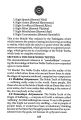
The Middle Way and the Four Noble Truths
3. Right Speech [Sammā Vācā]
4. Right Action [Sammā Kammanta]
5. Right Livelihood [Sammā Ājīva]
6. Right Effort [Sammā Vāyāma]
7. Right Mindfulness [Sammā Sati]
8. Right Concentration [Sammā Samādhi]
This text discusses the Middle Way as taught by the Tathāgata, emphasizing the importance of Right Speech, Action, Livelihood, Effort, Mindfulness, and Concentration as a means to attain insight and e
202
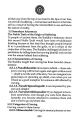
The Noble Truth of the Origin of Suffering
all that way from the top of our head to the tips of our toes,
we are full of suffering — he had seen and known it for him-
self as a result of having the wherewithal to see and know
the nature of rea
The text delves into the Buddha's teachings on suffering, challenging ancient beliefs that linked suffering to divine punishment or fate. Instead, he identifies craving as the root cause of suffering,
215
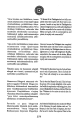
The Tathāgata and the Cycle of Enlightenment
Yāva kivāñca me bhikkhave, imesu "O! Monks! If the Tathāgata had not fully com-
catusu ariyassaccevaṁ tiparivattaṁ completed these three cycles with their twelve com-
dvaḍasākāraṁ yathābhuṭṭaṁ nān
In this text, the Buddha addresses monks, emphasizing that he has fully completed the three cycles of truth, which affirms his status as a fully self-enlightened Buddha. He claims that this enlightenm
218
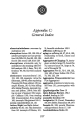
General Index of Meditation and Mindfulness Concepts
Appendix C:
General Index
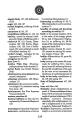
absent-mindedness: overcome by meditation 124
absorption: factors 123, 129-132; of neither-perception-nor-non-perception 193; fifth 131; first 85, 123, 129; fourth 129; sec
This general index compiles significant terms and concepts related to meditation and mindfulness practices. It includes terms like absent-mindedness, absorption, and aggregates of clinging, helpful fo
219
Understanding Suffering and Enlightenment in Buddhism
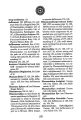
Angelic Body 107, 122; defilements by attaining Dhammakaya 111 of 135
bemoaning, as suffering 47, 58, 71,
anger 135, 136, 137 199; relationship to sorrow and lam-
animal kingdom, suffering of birth en
This text delves into key Buddhist teachings regarding suffering, attachment, and the process of attaining enlightenment. It analyzes various forms of suffering, including the suffering associated wit
222
Understanding Dhammakāya and Defilements in Meditation
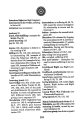
deep meditation 114
defilement 122: different, for each
inner body 135; of Angelic Body 135;
of Dhammakāya Anāgāmi 137; of
Dhammakāya Gotrabhu 136; of
Dhammakāya Sakidāgāmi 136,
137; of Dhammakāya Sot
The text provides an in-depth examination of the Dhammakāya concept, explaining various levels such as Dhammakāya Anāgāmi, Gotrabhu, and Sakidāgāmi. It discusses the nature of defilements and how arah
226
Understanding Key Buddhist Concepts
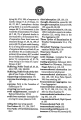
Inention, Right (see Right Intention)
internment in the womb, suffering
irritation (see annoyance)
jealousy 50
jewel, wish-fulfilling - metaphor for Middle Way 39
jewel-knowing 110
joy 38, 123, 130
ka
This text delves into central Buddhist themes such as the nature of suffering, the importance of right intention, and the concept of liberation. Key metaphors like the jewel of knowledge and the lion
233
Exploring Suffering and Enlightenment in Buddhist Philosophy
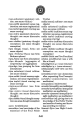
dying 58, 67-9, 199; of exposure to third absorption 129, 130, 131
hateful things 71-2; of illness, 12, thought, discursive, sense 96, 100
46, 57, 66-7, {metaphors: donkey thought-conception: discursi
This text delves into the intricate themes of suffering and enlightenment within Buddhist teachings. It explores the various aspects of suffering, including its origins and manifestations, and the pat
246
Fundamental Concepts in Buddhist Psychology
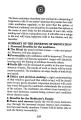
rasa-saṅchetana (gasticatory volition: see sense volition)
rasa-saṃnā (gasticatory sense registration: see sense registration)
rasa-tanḥa (gasticatory craving: see sense craving)
rasa vicāra (ga
This text elaborates on significant concepts in Buddhist psychology, including gasticatory and visual perceptions such as rasa (taste) and rūpa (form). It addresses terms like gasticatory volition, se
257
Benefits of Meditation
The basic meditation described here will lead to a deepening of happiness in life. If one doesn't abandon the practice but cultivates meditation regularly, to the point that the sphere of Dhamma is at
Basic meditation can deepen happiness in life. By regularly practicing meditation and maintaining the Dhamma sphere, one can find refuge and happiness now and in the afterlife. Benefits include a calm
261
Contributions of Graduates from Dhammakaya Buddhist Societies
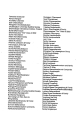
Tawechai Chaisuwan
Kanya Changow
AnchaliKa Chanvail
Salin Chatsutthipan
Pierngphen Chookiatsakulkan
Chulalongkorn University Buddhist Society
Dhammakaya International Institute, Thailand
Bundit Dhamma
This document highlights notable individuals affiliated with the Dhammakaya International Institute and various university Buddhist societies in Thailand, showcasing their contributions and affiliatio
10
Title Here
In the reign of H.M. King Rama III (Phra Nang Klao, 1824-1851), the examinees had to undergo an oral examination testing their proficiency in translating the Pali palm-leaf scriptures into Thai. To pa
A brief overview of the text, explaining main ideas and content, while excluding web URLs except dmc.tv.