

The Subtlety of Dhamma and the Buddha's Vocation : หน้า 193/263
The Buddha’s First Teaching : หน้า 193/263 Explore the profound insights of the Buddha and his journey towards teaching Dhamma to alleviate suffering.
1 ครั้ง
สรุปเนื้อหา
The Buddha preached the concept of Dhamma, comparing his teachings to leaves in his hand versus the endless phenomena of enlightenment. He remembered his vow to end suffering, driven by compassion for others, and recognized his mission to teach Dhamma after attaining enlightenment. This journey, rooted in his awareness of suffering, began long before his enlightenment and has been his purpose for countless lifetimes. The subtle nature of this Dhamma makes it challenging for many to comprehend, highlighting the rarity of those ready to embrace such teachings. Ultimately, the Buddha dedicated his life to guiding others toward the cessation of suffering, fulfilling his resolve as a teacher to share the profound insights he uncovered throughout his journey of enlightenment.
หัวข้อประเด็น
-Dhamma and its subtlety
-The Buddha's journey
-End of suffering
-Teaching Dhamma to the world
-The Buddha's vocation
ข้อความต้นฉบับในหน้า
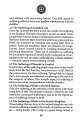
Dhamma in even greater subtlety. The Buddha was later to preach in the Simsapa forest that there were more leaves in the forest than he held in the palm of his hand. The 84,000 units of Dhamma which the Buddha was to reveal to us are but the leaves in the Buddha’s hand, but the leaves of the forest (the phenomena into which the Lord Buddha gained insight through his enlightenment) were still left for Him to consider subsequent to His Enlightenment. Eventually, he came to consider the reason for his having renounced the world from the time of leaving the palace up to his Enlightenment. He remembered that the realization of his own suffering had caused him to leave the palace. He saw the suffering of Yasodharā of his son Rāhula. He realized that to stay in the palace would be to suffer from the fetters of suffering without end. He had made a vow to himself that if he could find an end to suffering then he would lead the other beings of the world also to an end of suffering. He realized that this had been his vocation ever since the first lifetime when he had started to look for Buddhahood, floating in the endless watery oblivion of the ocean with his drowning mother upon his shoulders. He realized that it had come to time for him to proclaim Dhamma to the world — it was something he had aimed to do since the beginning twenty asankhaya kappas ago. On the day of his Enlightenment, he had fulfilled his vocation to the extent of achieving Enlightenment himself, but now it remained for him to fulfil the second part of his resolve and teach to the others of the world.
He considered who would be able to appreciate the Dhamma he had uncovered. The Dhamma was so subtle that it would be a rare person who would appreciate it. Even the Buddha himself, with all the marks of a great man and
191
หน้าหนังสือทั้งหมด
1
2
3
4
5
6
7
8
9
10
11
12
13
14
15
16
17
18
19
20
21
22
23
24
25
26
27
28
29

30
31
32
33
34
35
36
37
38
39
40
41
42
43
44
45
46
47
48
49
50
51
52
53
54
55
56
57
58
59
60
61
62
63
64
65
66
67
68
69
70
71
72
73
74
75
76
77
78
79
80
81
82
83
84
85
86
87
88
89
90
91
92
93
94
95
96
97
98
99
100
101
102
103
104
105
106
107
108
109
110
111
112
113
114
115
116
117
118
119
120
121
122
123
124
125
126
127
128
129
130
131
132
133
134
135
136
137
138
139
140
141
142
143
144
145
146
147

148
149
150
151
152
153
154
155
156
157
158
159
160
161
162
163
164
165
166
167
168
169
170
171
172
173
174
175
176
177
178
179
180
181
182
183
184
185
186
187
188
189
190
191
192
193
194
195
196
197
198
199
200
201
202
203
204
205
206
207
208
209
210
211
212
213
214
215
216
217
218
219
220
221
222
223
224
225
226
227
228
229
230
231
232
233
234
235
236
237
238
239
240
241
242
243
244
245
246
247
248
249
250
251
252
253
254
255
256
257
258
259
260
261
262
263
หนังสือที่เกี่ยวข้อง
Load More